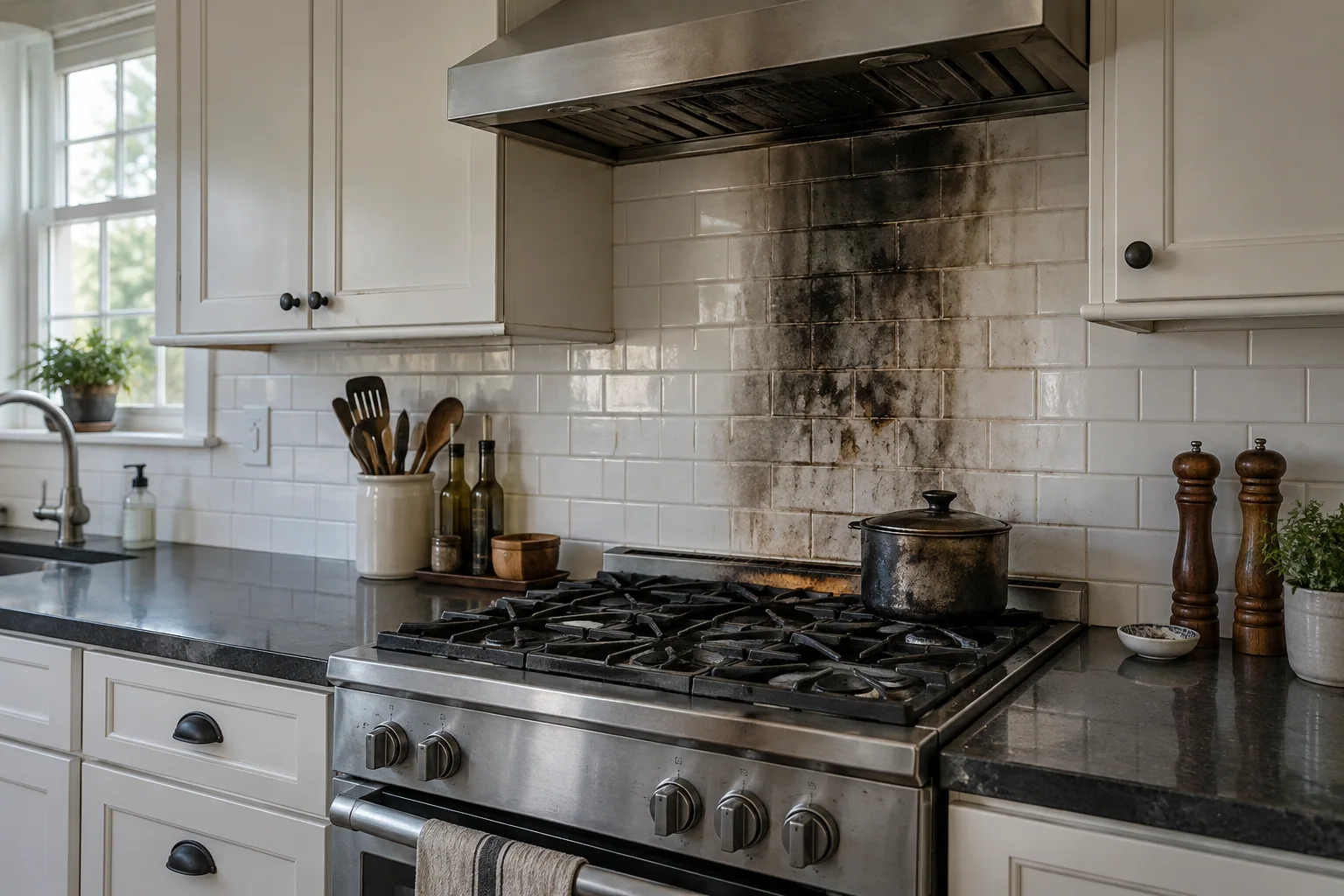
The useful starting point
Report persistent smoke odor with locations, timing and the original cleanup scope. Ask for a review of affected surfaces, contents and relevant systems before accepting another general deodorizing treatment. Odor alone cannot measure health risk, and removing a smell does not by itself establish safe occupancy.
Describe when and where the smell returns
Create a simple room list and note the strongest locations from areas you are permitted to enter. Include closets, textiles, built-in cabinets and doorways. Record whether the odor is constant or noticed after a room has been closed, equipment has run or belongings have returned.
Keep observations factual. Write that the smell was noticeable beside a particular cabinet on a particular day, rather than declaring that insulation is contaminated. The contractor needs a starting point, not a diagnosis that narrows the investigation too early.
Do not deliberately warm materials, run restricted equipment or close yourself inside a room to intensify the odor. Follow the building's access and occupancy instructions. If anyone has symptoms, seek appropriate medical advice rather than using smell as an exposure meter.
Compare the odor map with the cleaning scope
Put the original estimate beside your room list. Which walls, ceilings, cabinets and contents were included? Were closets emptied? Was the room treated before or after furniture returned? The answers may reveal an excluded area or a handoff between contractors that needs review.
Ask the company to distinguish completed cleaning from treatment planned for a later stage. A project may involve separate building and contents work, with different schedules. Without that distinction, a homeowner can reasonably assume a room is finished when part of its scope is still pending.
If the initial inspection could not reach an area, find out whether it was ever revisited. A note about limited access should lead to a decision, not simply remain in a report while the surface is closed again.
Consider belongings and the building separately
Furniture, rugs, curtains, books and stored possessions need their own inventory and assessment. Ask whether the smell follows one item or appears in the empty room as well. Arrange any movement through the contents contractor so that unresolved items are not spread into clean living or storage areas.
A valuable item may merit a specialist assessment before replacement or an aggressive cleaning method. Request a trial on an appropriate inconspicuous area when the professional considers it suitable, and ask how changes in color, texture or finish will be recorded.
Keep disposal authorization separate from cleaning authorization. The value of a possession includes practical and sentimental considerations that a standard inventory line may not capture. Flag those items early so that decisions do not occur by default during a bulk pack-out.
| Observation | Review to request |
|---|---|
| Odor near a returned sofa or rug | Contents treatment record and item-specific assessment |
| Odor in an empty cabinet | Interior surfaces, concealed access and original cleaning scope |
| Odor associated with HVAC operation | Qualified assessment of the relevant equipment and distribution system |
| Odor in a recently rebuilt area | Sequence of cleaning, concealed conditions and finish installation |
| Odor across several rooms | Documented reassessment of the affected boundary |
Ask about the HVAC system without buying automatic duct cleaning
Tell the assessor whether the system operated during the event, whether it was restricted afterward and when it returned to service. Have a qualified HVAC professional review components relevant to the loss. Do not restart equipment against fire department or contractor restrictions just to test an odor.
EPA does not recommend routine duct cleaning in every home. Its guidance encourages asking a provider to show the condition that justifies the work. After a fire, the question is whether the particular system was affected and what appropriate service follows from that finding.
Ask the proposal to identify the equipment and duct sections involved, the methods and any replacement recommendations. A whole-house package with no connection to observed conditions is difficult to evaluate; so is a promise that changing one filter resolves every fire-related issue.
Understand the limits of air treatment
EPA describes source control and suitable ventilation as central approaches to indoor air quality, with filtration as a supplement. A portable device can have a role, but ask which pollutant it addresses, where it will operate and how its performance relates to the actual problem.
Ozone is a lung irritant. EPA warns that ozone generators sold as air cleaners can produce harmful concentrations and should not be treated as a harmless occupied-room odor remedy. Do not improvise with a rental device or rely on a claim that a fresh smell proves safety.
If a restoration company proposes any specialized treatment, request the product or process, purpose, occupant restrictions, material considerations and documented reentry procedure. Ask what source work occurs first. Those details matter more than a branded name or a promised treatment duration.
Keep finish repair from hiding an unresolved source
Before repainting or installing new materials, ask how the contractor determined that the underlying work was ready. A coating may have a specified role in a professional plan, but it should not substitute for explaining what was cleaned, removed or retained.
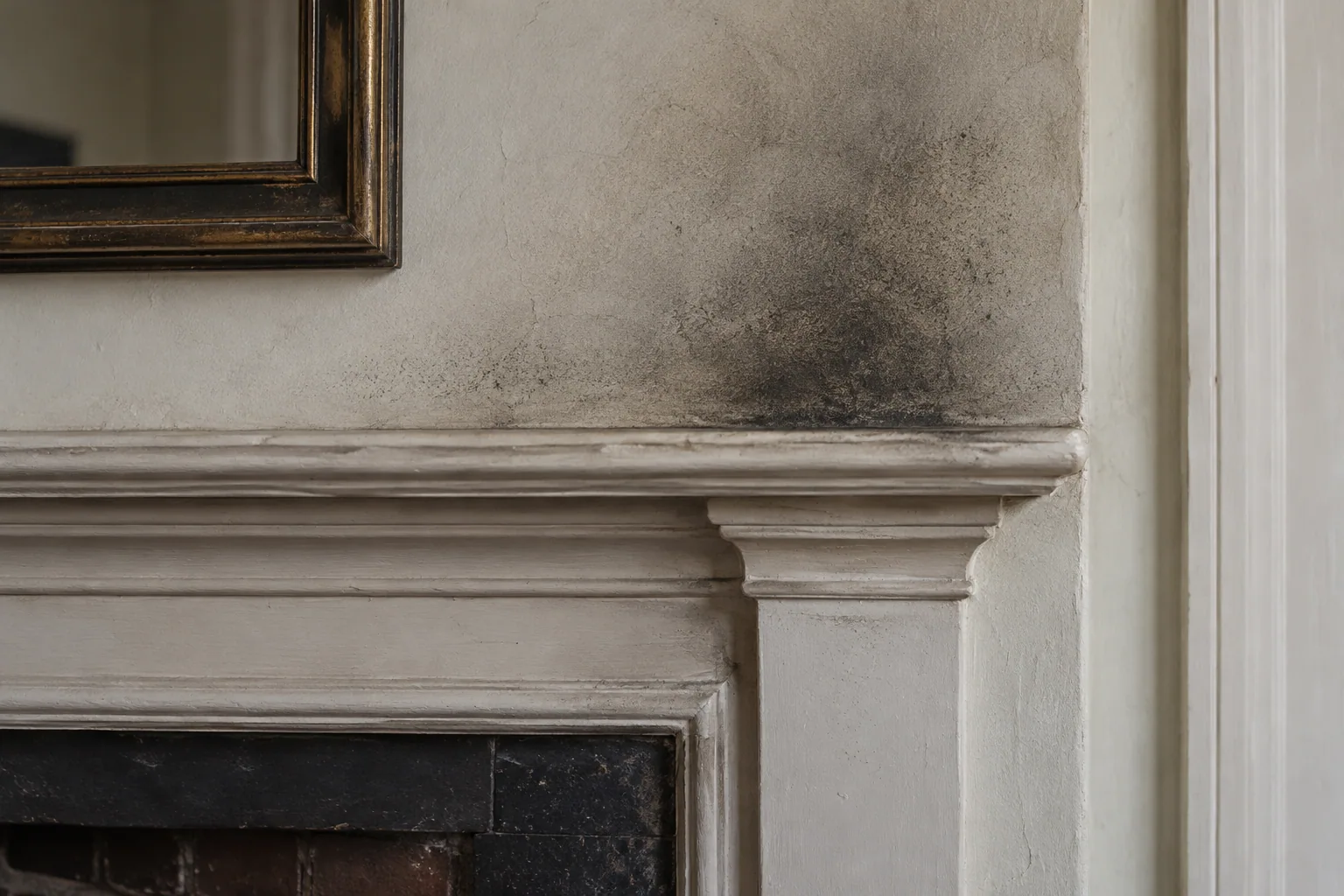
Old woodwork and plaster deserve a method appropriate to their finish and condition. Ask for the reasoning behind replacement, cleaning or coating, and document an agreed appearance standard. Odor treatment and conservation of original details can require different expertise.
If another contractor performs rebuilding, share the relevant scope and unresolved questions before work begins. A schedule that closes an area before assessment is complete can make later investigation more disruptive and expensive.
Set a specific follow-up request
For a follow-up request, name the room or item, describe when you notice the odor and attach the relevant part of the original scope. Ask for an inspection and written findings. This gives the contractor a defined issue to examine instead of leaving both parties to interpret a general complaint about the house.
At the visit, agree on the next step and how it will be checked. If the company proposes repeating a treatment, ask what the reassessment found and why the second treatment is expected to address it. Keep any warranty or service terms with the project file.
Safe occupancy is a separate determination from whether the odor is acceptable. Follow the relevant professional and authority advice, and discuss personal symptoms with a clinician. Avoid promises that every trace of smell will vanish on a fixed timetable or that the nose alone can certify the result.
Your field checklist
- Map odor locations and timing without deliberate exposure tests.
- Compare the observations with the original cleaning and contents scope.
- Keep unresolved contents separate from cleaned areas.
- Request evidence for any HVAC service proposal.
- Ask about source work before specialized air treatment.
- Record follow-up findings and reentry requirements.
A few common questions
Does a smoke smell mean the room is unsafe?
Smell alone cannot quantify exposure or decide occupancy. Follow access restrictions and obtain an assessment appropriate to the fire and remaining conditions. Seek medical advice for symptoms rather than using odor intensity as a health test.
Will an air purifier fix the smell?
It may address some airborne pollutants, depending on its design and use, but it does not identify or repair affected materials. Ask what source remains and how the device fits into a documented cleanup plan.
Sources & further reading
- Ozone Generators that are Sold as Air CleanersU.S. Environmental Protection Agency
- Air Cleaners and Air Filters in the HomeU.S. Environmental Protection Agency
- Should You Have the Air Ducts in Your Home Cleaned?U.S. Environmental Protection Agency
- After the FireU.S. Fire Administration
This guide supports informed conversations about your home. Conditions, materials and local requirements vary; an on-site assessment is necessary for decisions about a particular property.