The useful starting point
Wait for the fire department's permission before entering, and follow utility restrictions. Then arrange an assessment that considers heat, residues, water, appliances and nearby contents. The visible size of the burn does not define the whole repair scope or establish that the kitchen is ready to use.
The first boundary is safe access
A fire that looks small can still leave conditions the homeowner cannot judge visually. The U.S. Fire Administration advises entering a damaged home only when the fire department says it is safe and not restoring disconnected utilities yourself. Keep the names of the officials and the instructions you receive.
If smoke, heat or signs of renewed fire appear, leave and call emergency services. Do not return to retrieve a phone, take photographs or test an appliance. Documentation can wait until access is permitted.
Ask which parts of the dwelling may be entered and which must remain unused. In a condo or triple-decker, tell the building manager about restrictions that affect shared halls, systems or other units. Permission to collect belongings should not be interpreted as approval for ordinary occupancy.
Record the event without guessing its cause
Make a brief account while the sequence is still fresh: when you discovered the fire, where you were, which appliances were in use and what responders did. Label anything you did not witness. An account of observations is more useful to an investigator than a confident explanation of a cause that has not been established.
Request the incident-report information and the appropriate contact for follow-up. Photograph the accessible kitchen from several wide angles before focusing on cabinets, counters or appliances. Include adjacent doorways so that later photographs can be located easily.
Notify your insurer promptly and ask how it wants emergency work, contents and permanent repairs documented. Massachusetts insurance guidance recommends keeping records of temporary protection and expenses. Coverage and approval depend on the policy and circumstances; a restoration company's estimate does not decide them.
Divide the assessment into four kinds of damage
Ask the contractor to distinguish visible burning or heat effects, deposited residues, water-related damage and damage caused while accessing or securing the building. Each may require a different trade or sequence. The distinction also helps explain why a surface outside the burned area appears in the estimate.
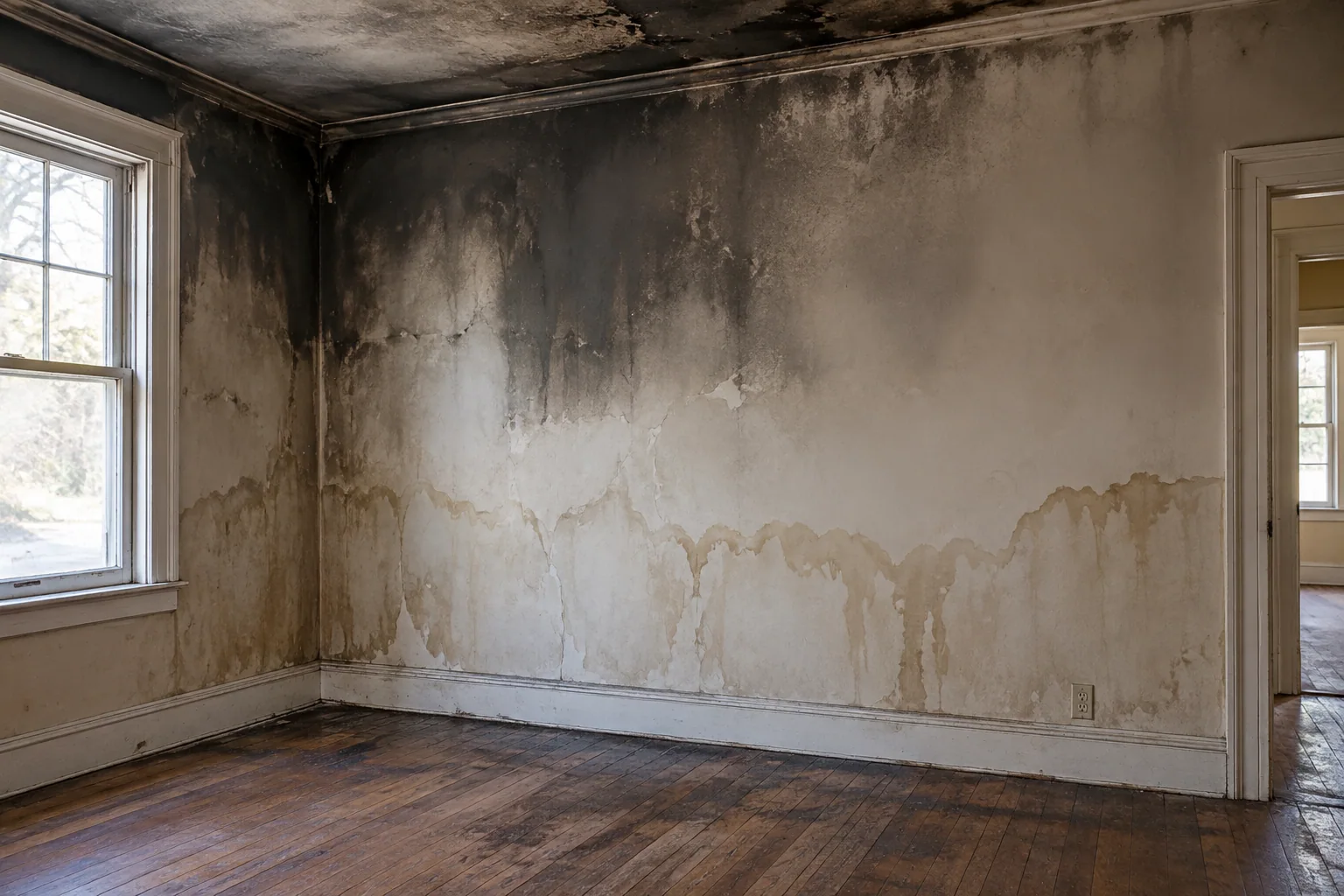
Walk the accessible neighboring rooms with the assessor and ask what evidence supports including or excluding each one. A broad claim that the whole house needs treatment should have a documented basis. A very narrow proposal should explain how adjacent areas and shared systems were considered.
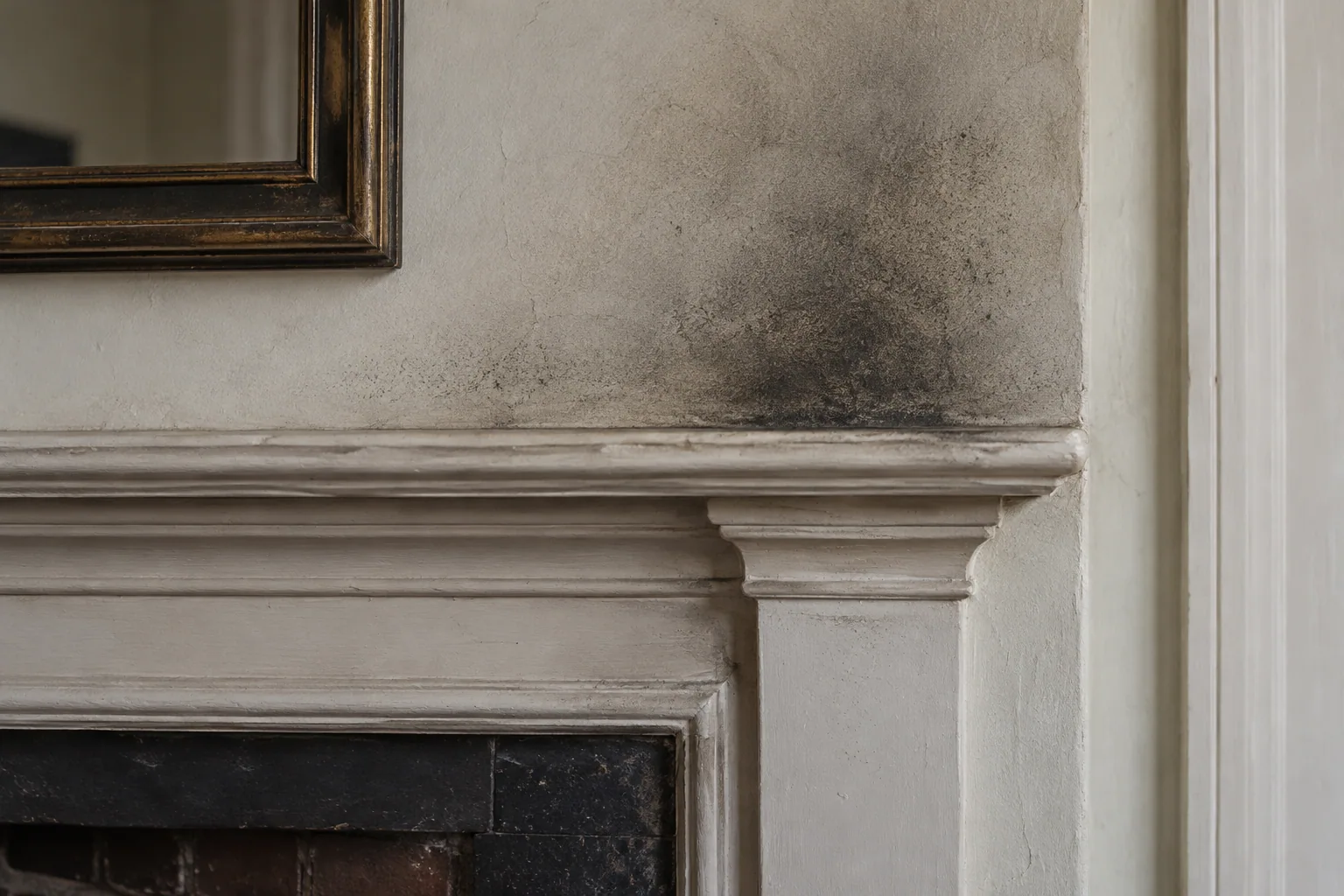
Avoid judging extent solely from odor or a soot line. These observations are useful, but they do not establish hidden conditions or the suitability of an appliance for reuse.
| Area or item | Question before work |
|---|---|
| Range and nearby electrical components | Who determines whether the appliance and connections can be used? |
| Cabinets and finish surfaces | Which materials can be cleaned without damaging their finish? |
| Ceiling and wall cavities | Is further access needed to assess heat, residues or water? |
| Floor and room below | Did firefighting water affect concealed layers? |
| Adjacent contents | Which items require separate assessment or handling? |
Make a separate decision about food
Food safety is not a restoration trial. USDA warns that heat, smoke fumes and firefighting chemicals can compromise food, including items that appear intact. Its guidance calls for discarding food exposed to smoke fumes. Do not taste a food to decide whether it survived.
Ask how to document affected food for the claim without retaining unsafe material in a living area. Photographs and an inventory may be useful; follow your insurer's instructions while addressing immediate health and sanitation needs. Keep disposal records where required.
Include food stored beyond the stovetop in the discussion. Pantry packaging, countertop produce and refrigerator contents may raise different questions depending on exposure. A clean cabinet front does not establish that the contents are suitable to eat.
Do not test damaged appliances yourself
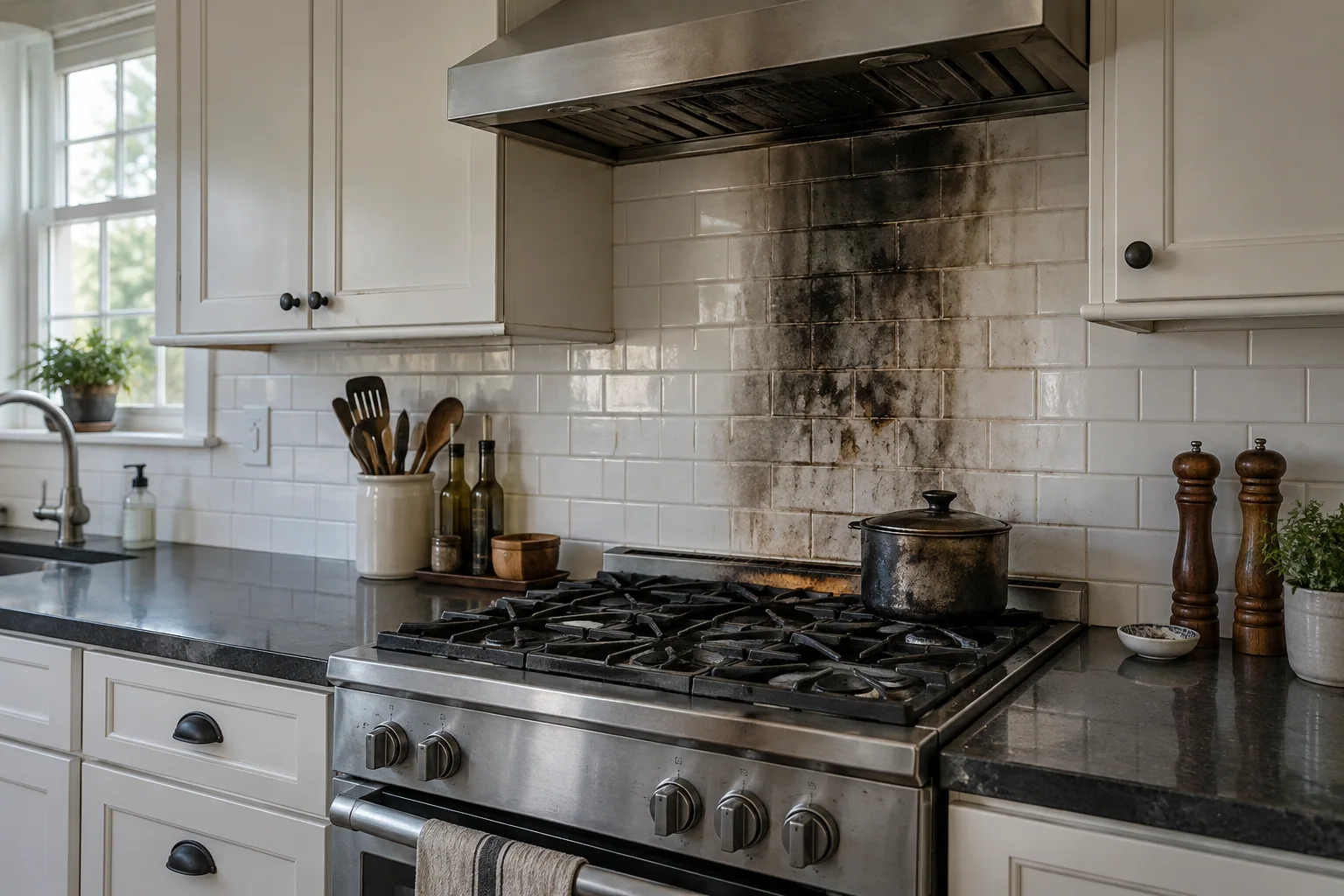
Leave the range, hood and nearby electrical equipment unused until appropriately assessed. Ask whether the manufacturer or a qualified appliance technician needs to evaluate the unit, and who checks wiring, gas connections or other affected services. Switching something on to see whether it works answers the wrong question.
Keep model and serial information when it can be recorded safely. A technician needs the exact appliance to discuss replacement parts, cleaning limits and continued use. Include manuals and service history if available.
Clarify the boundary between appliance replacement and surrounding repairs. Removing a range can expose damaged finishes or connections that were not visible during the initial visit. The estimate should describe how newly discovered conditions will be documented and authorized.
Sequence cleanup, water work and repair
Ask for a written order of work that begins with any required safety assessment and building protection. Water-related assessment, contents handling and residue cleaning may need coordination before new finishes can be installed. Find out which contractor manages that sequence.
Before disturbance of old paint or other suspect materials, have the relevant hazards assessed. EPA's lead renovation rules apply to many projects disturbing paint in pre-1978 housing. The contractor should explain the applicable requirements rather than treating demolition as ordinary cleaning.
If the kitchen is unavailable, discuss safe alternatives and expected access restrictions. A temporary cooking arrangement must follow appliance and fire-safety guidance. Keep related expenses and approvals together, particularly if you are asking the insurer about additional living costs.
Review the kitchen before putting it back into service
At the handover, request separate confirmation for utilities, appliances, building repairs and cleaning. One completed invoice may not cover all four. Ask which inspections or approvals remain and who will arrange them.
Compare the completed work with the scope and document unresolved odors, residues, damaged finishes or missing contents. The contractor should explain remaining issues before cabinets are refilled and equipment returns to use. A fragrance is not a completion record.
Replace the kitchen's ordinary routine gradually according to the completed assessments and manufacturer instructions. Keep the fire report, photographs, repair documents and appliance decisions in one place. If a problem emerges later, that record helps the correct professional revisit the right part of the work.
Your field checklist
- Follow the fire department's access and utility restrictions.
- Record the event and preserve incident-report information.
- Have heat, residue, water and access damage considered separately.
- Document affected food and follow USDA disposal guidance.
- Keep damaged appliances unused pending qualified assessment.
- Collect separate completion records for cleaning, repairs and services.
A few common questions
Can I sleep at home if the fire stayed in the kitchen?
The burn's size does not establish occupancy safety. Follow fire department and building-authority instructions and obtain the necessary assessment of affected services and indoor conditions. Ask explicitly whether access permission also allows staying overnight.
Can I clean the cabinet fronts and keep the food inside?
Assess food separately. USDA warns that smoke fumes and other fire exposures can make food unsafe even when packaging appears intact. Do not use appearance or taste as a safety test.
Sources & further reading
- After the FireU.S. Fire Administration
- Fires and Food SafetyUSDA Food Safety and Inspection Service
- Obtaining Payment for Your Home Insurance ClaimMassachusetts Division of Insurance
- Lead Renovation, Repair and Painting ProgramU.S. Environmental Protection Agency
This guide supports informed conversations about your home. Conditions, materials and local requirements vary; an on-site assessment is necessary for decisions about a particular property.