Greater Boston · MassachusettsUnderstand your house. Make informed repairs.

The atlas / House types

Six ways to understand a Boston-area home.

Start with the building you own. Construction, additions and past repairs matter more than a style label alone.

House types in a Greater Boston home

Begin with the building

A style is a starting point, not an inspection. Look for original materials, later additions and the systems that cross between rooms or units.

Choose your house

Start with its construction, then follow the questions that fit your rooms and materials.

When homes share systems

Plan access and repairs across floors, units and common areas.

House types7 min read

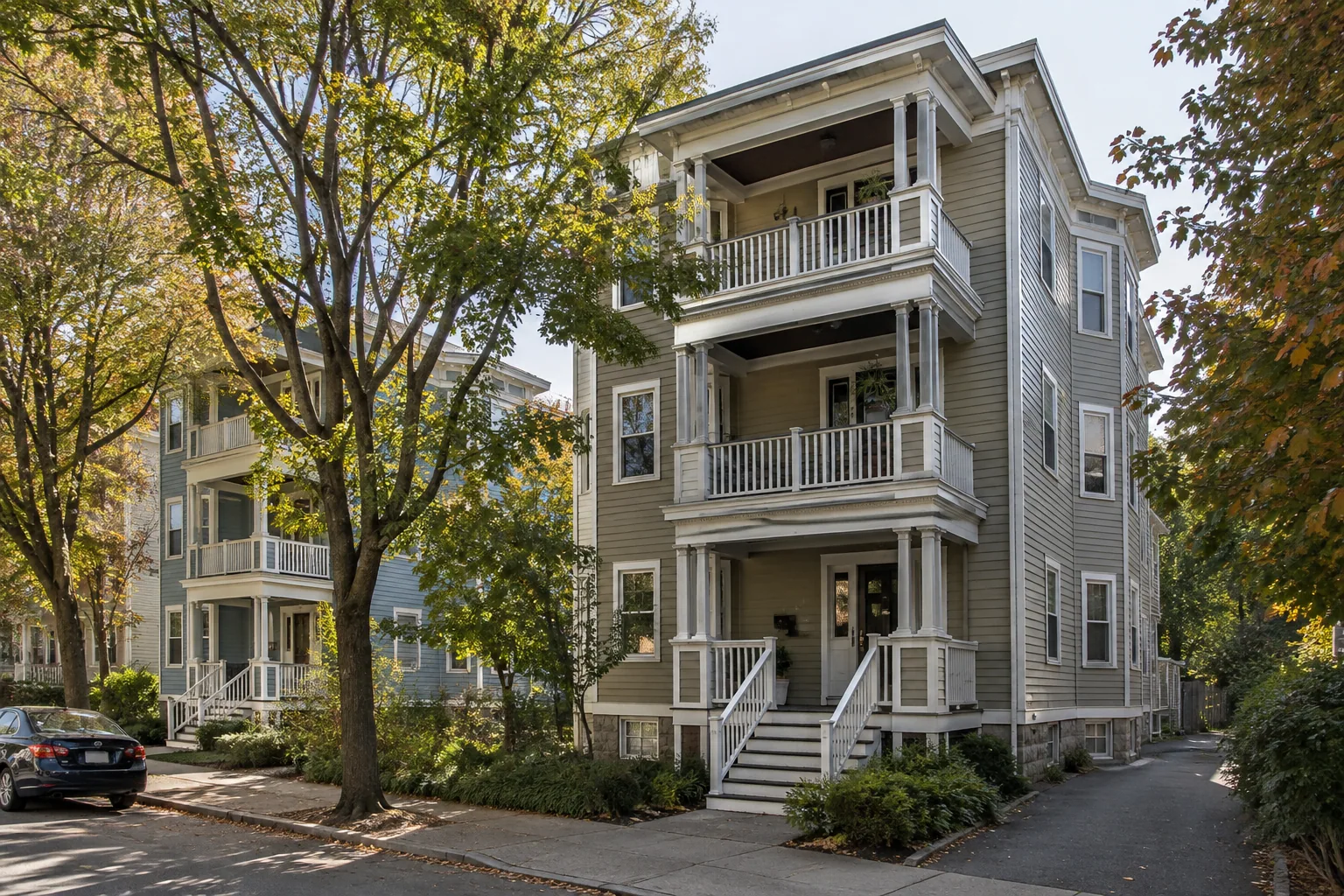
The Triple-Decker Homeowner's Guide

Three floors can share one roof, several plumbing routes and a surprisingly complicated repair history. A useful triple-decker maintenance plan follows the building vertically and gives every household a clear way to report problems.

House types7 min read

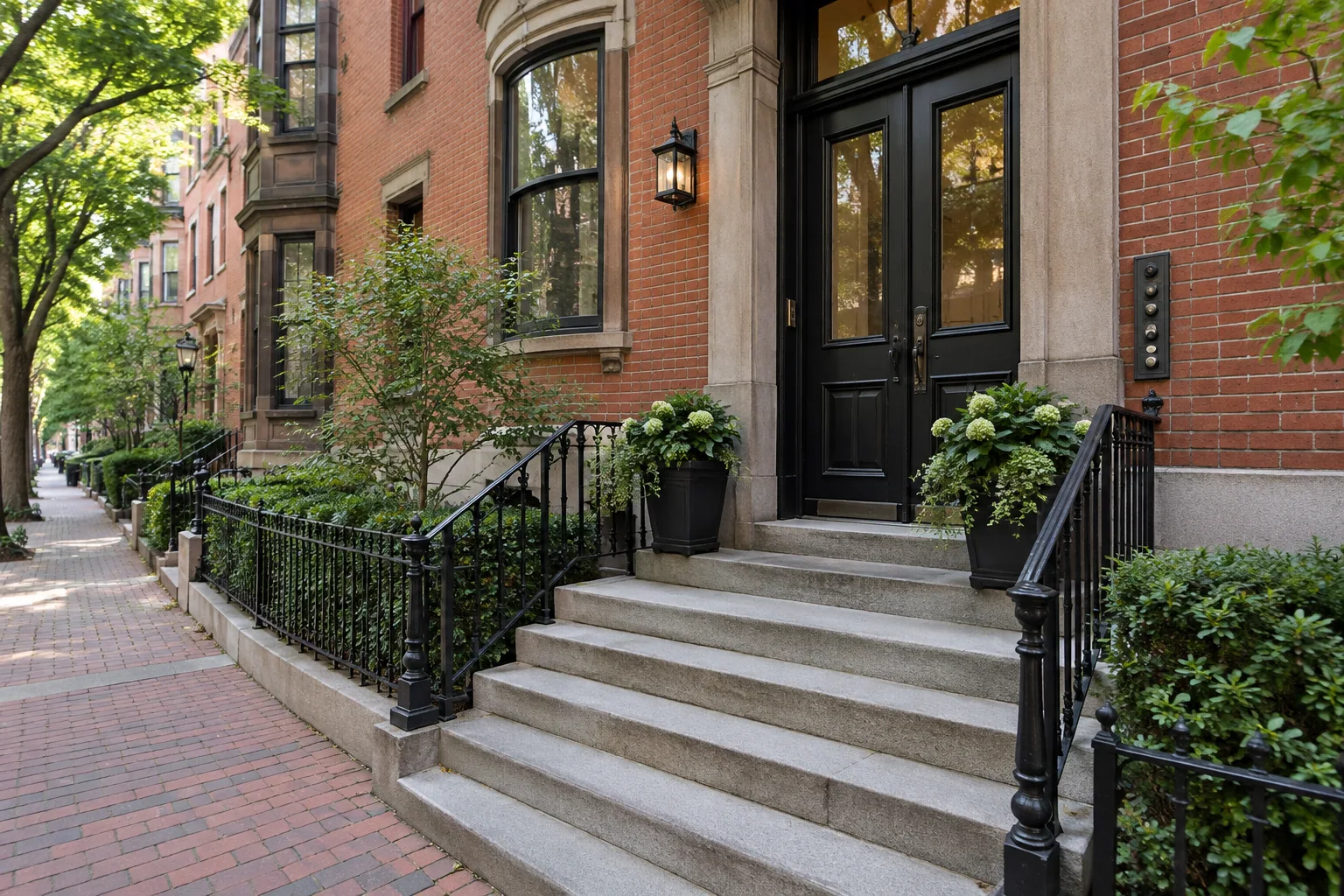
Boston Condo Buildings: Leaks & Shared Repairs

Condominium ownership describes a legal arrangement, not a building type. A Boston condo may occupy a brownstone, a triple-decker or a newer building, and a water problem can cross both physical and ownership boundaries.

Water damage7 min read

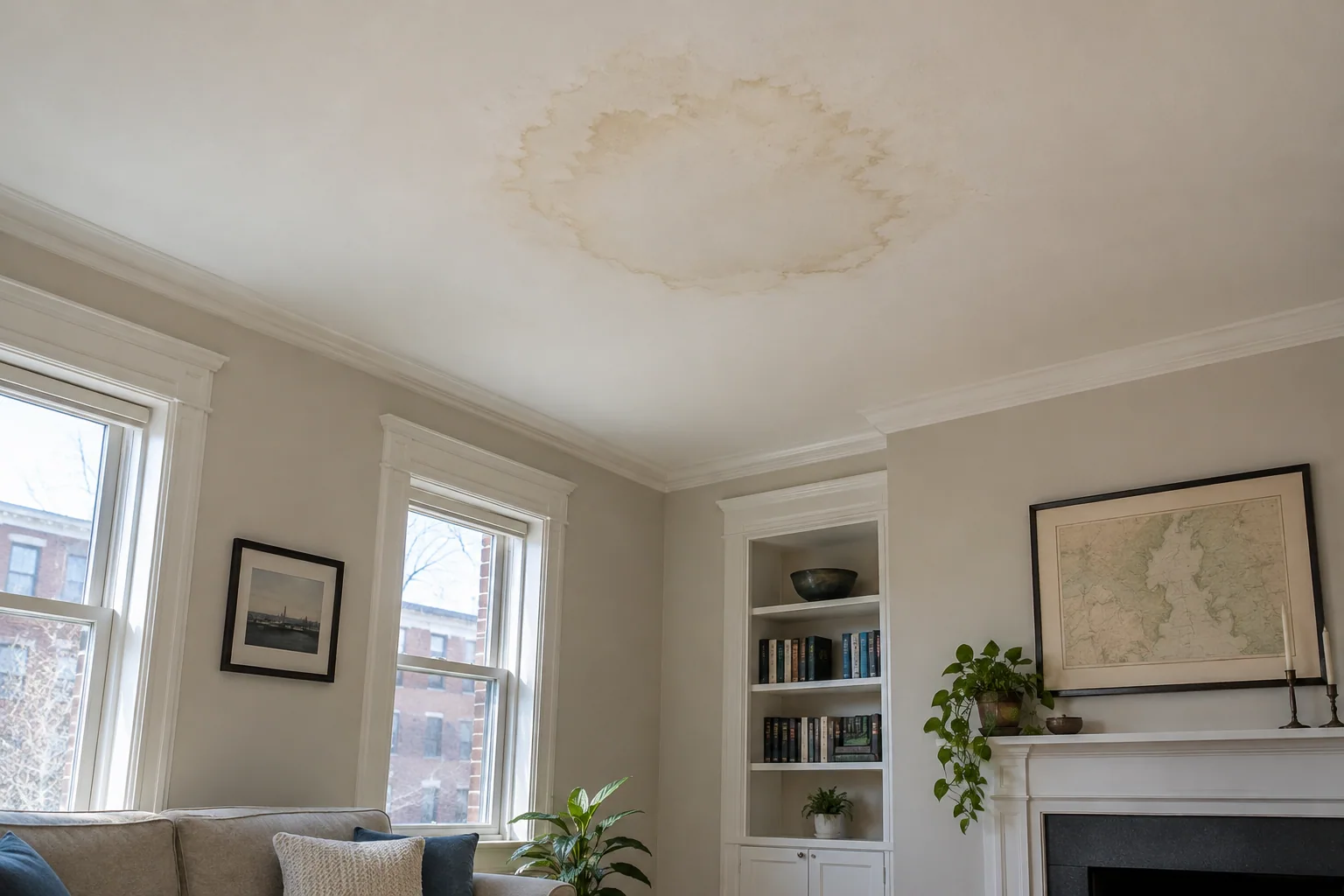
An Upstairs Condo Leak: Documenting the Damage

The stain is inside your unit, but the repair may involve several owners and a shared building assembly. Good documentation connects the source, the affected spaces and each person's responsibilities without turning guesses into accusations.

Look closely at original materials

Find out what needs assessment before old finishes are removed or covered.

Water damage7 min read

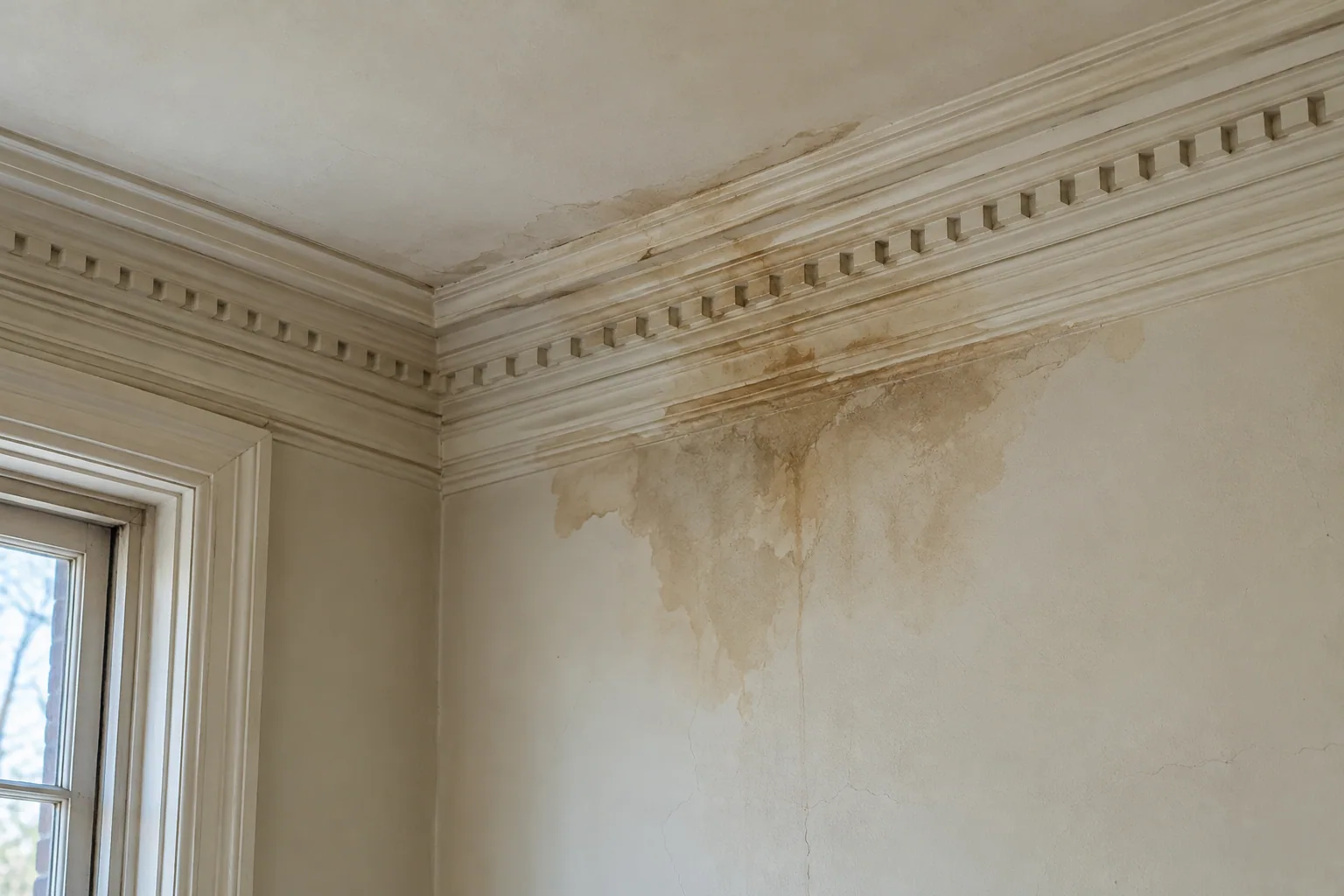
Original Plaster After a Water Leak

A brown ceiling mark is a reason to investigate, not a complete verdict on the plaster. The central questions are whether the leak has stopped, whether the plaster remains supported and whether the concealed assembly can be inspected and dried.
Water damage7 min read

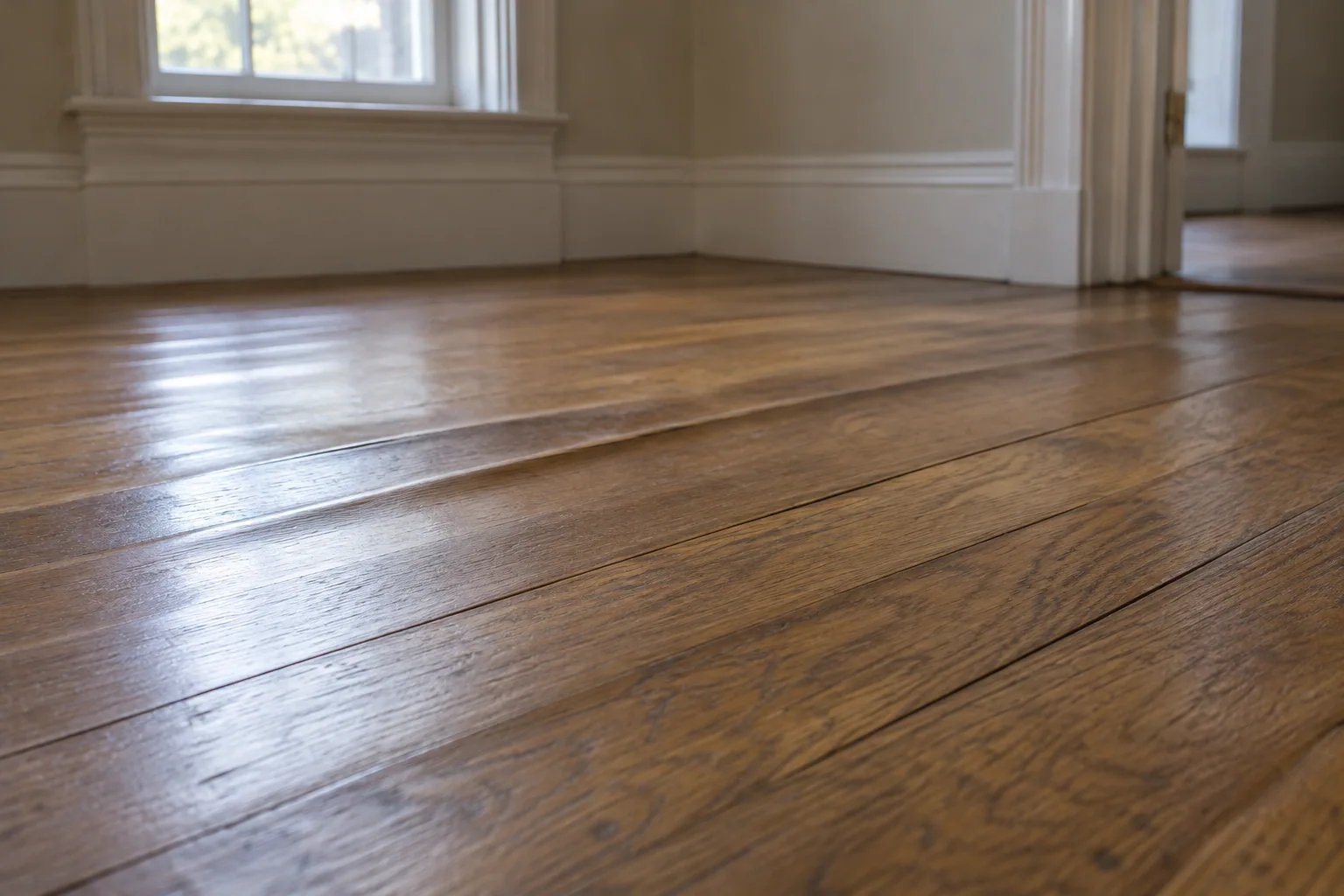
Water-Damaged Hardwood: Repair or Replace?

Raised board edges look alarming, but appearance alone cannot settle a flooring decision. The type of floor, its attachment, the condition below it and the water exposure matter as much as what you can see in the afternoon light.
Mold & moisture7 min read

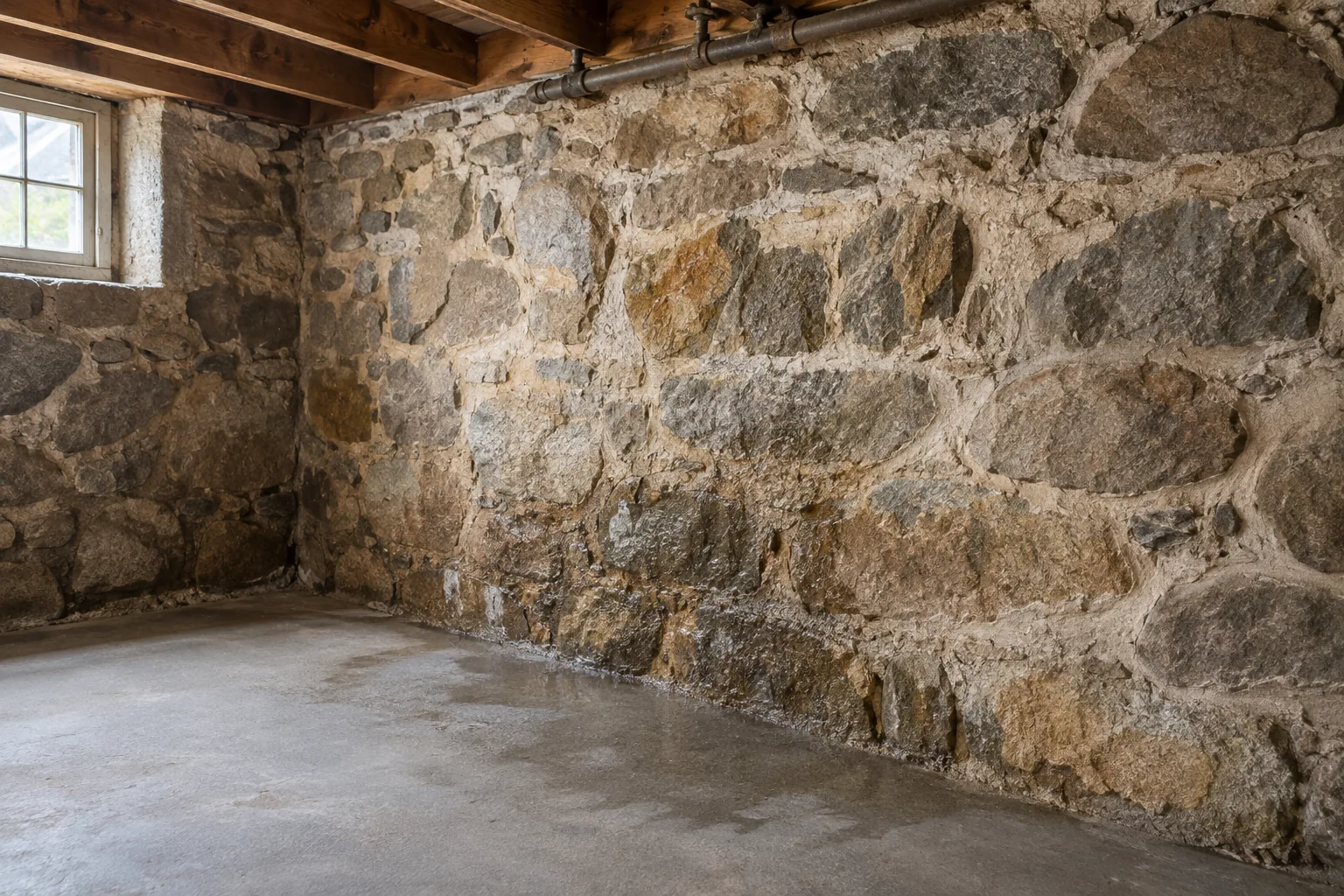
Fieldstone Basement Moisture: What to Look For

A fieldstone wall can show moisture through dark joints, powdery deposits or water at its base. Those signs deserve a careful record, but they do not all mean the same thing—or call for the same repair.