
House types7 min read
A brownstone can have several different wall materials, a roof hidden from the sidewalk and a basement partly below grade. Good maintenance starts by understanding those connections before choosing a repair.

House types7 min read
Three floors can share one roof, several plumbing routes and a surprisingly complicated repair history. A useful triple-decker maintenance plan follows the building vertically and gives every household a clear way to report problems.

House types7 min read
A Victorian house may have a simple main structure wrapped in bays, porches, dormers and later additions. Its maintenance needs become easier to understand when each projection has a place in the inspection plan.

House types7 min read
A symmetrical front can conceal a house built in several stages. This guide helps owners separate architectural appearance from the roof, foundation, plumbing and later alterations that actually shape maintenance decisions.

House types7 min read
In a Cape, upstairs rooms often sit partly inside the roof. The short walls, sloping ceilings and small attic pockets make a simple floor-plan label a poor guide to where heat, air and water travel.

House types7 min read
Condominium ownership describes a legal arrangement, not a building type. A Boston condo may occupy a brownstone, a triple-decker or a newer building, and a water problem can cross both physical and ownership boundaries.
Mold & moisture7 min read
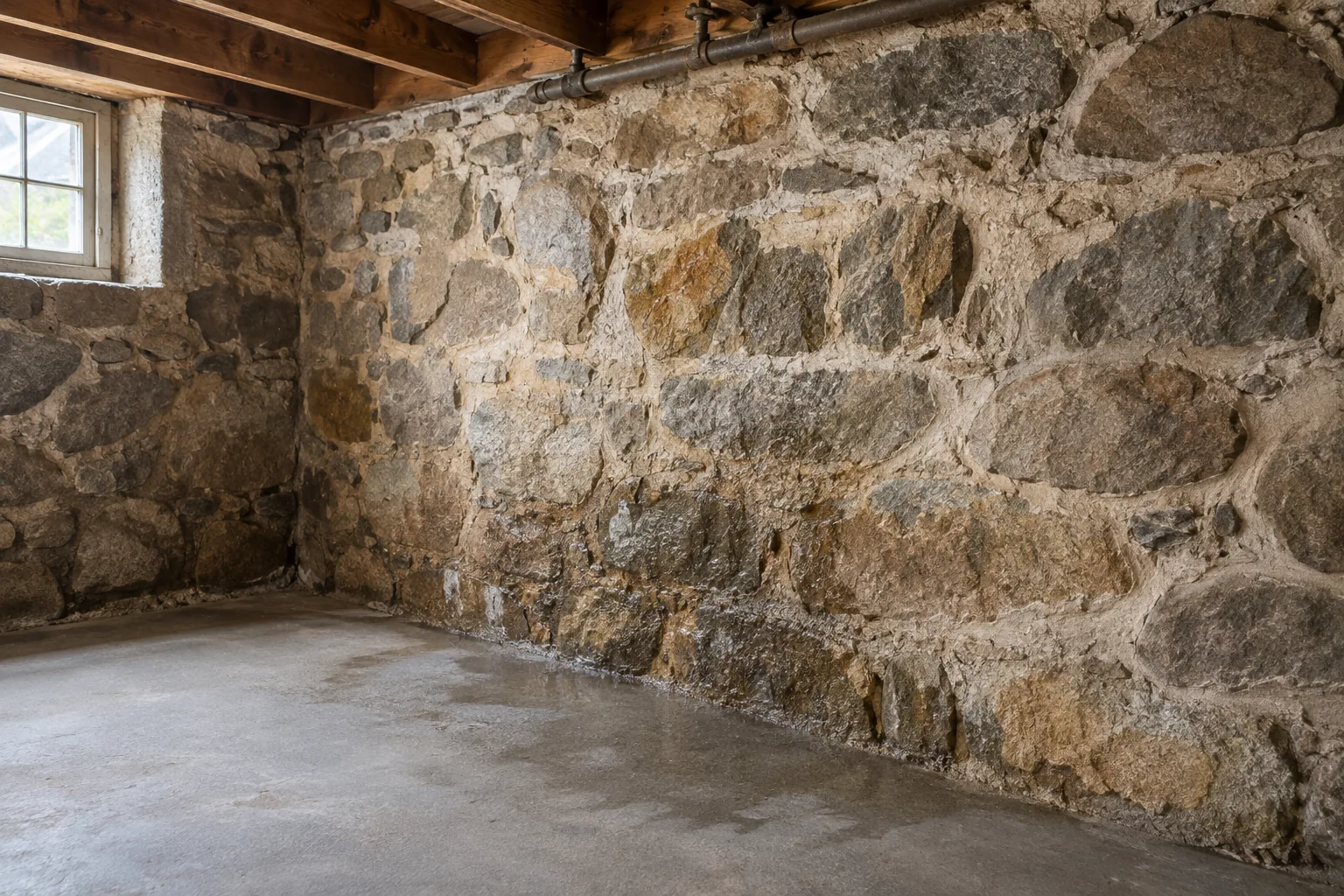
A fieldstone wall can show moisture through dark joints, powdery deposits or water at its base. Those signs deserve a careful record, but they do not all mean the same thing—or call for the same repair.
Roof, walls & windows7 min read
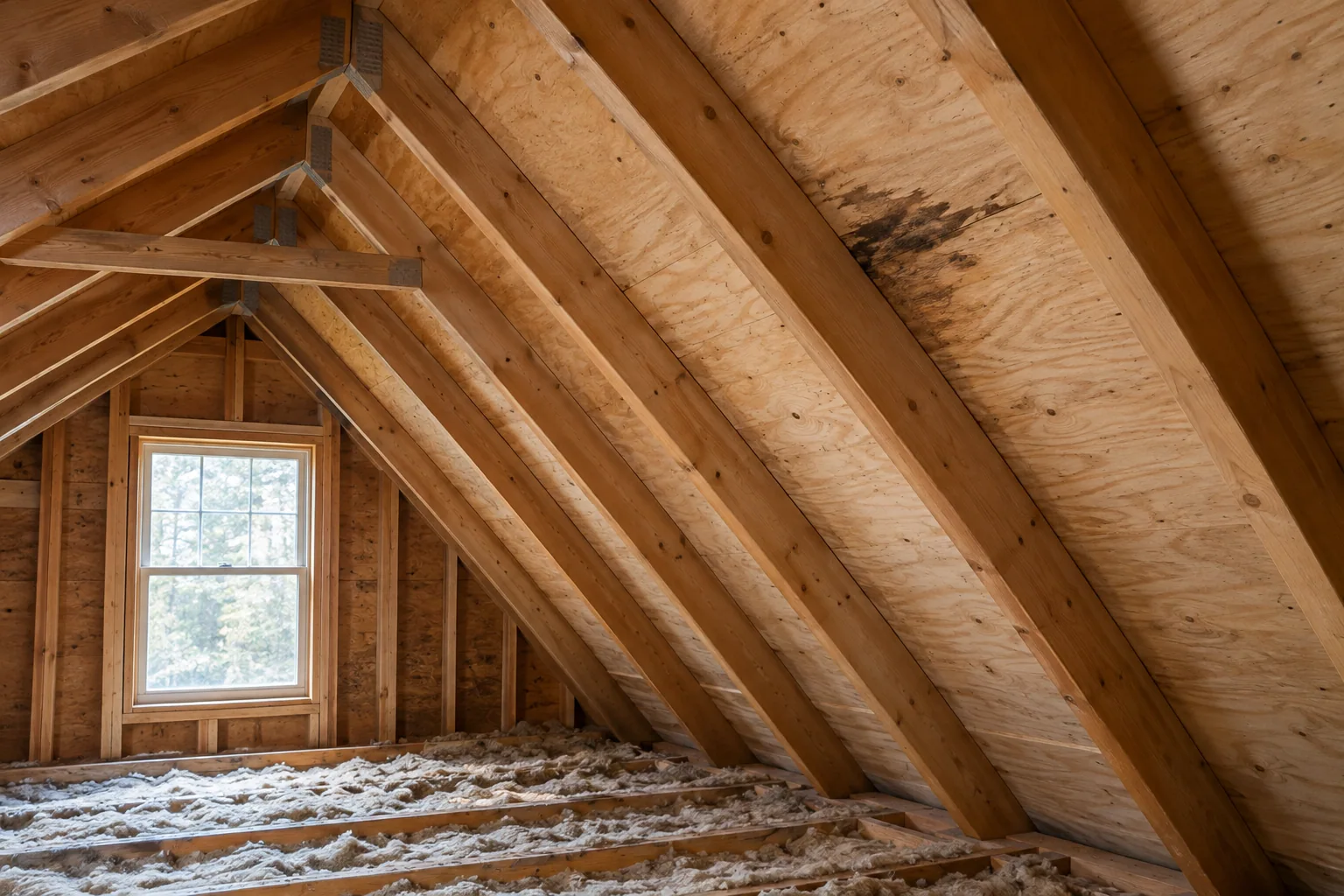
Wet roof sheathing can result from water entering from outside or moisture reaching a cold surface from inside. The location, weather history and surrounding construction help guide the investigation, but no single stain settles it.

Roof, walls & windows7 min read
When a ceiling starts dripping during a thaw, removing visible ice is only one part of the response. The building may also need source repair, inspection of concealed materials and a plan for the conditions that allowed the dam to form.

Roof, walls & windows7 min read
Water on a sill does not automatically mean the window needs replacement. It may come through the window, from the wall above or from moisture condensing on a cold surface inside the room.
Roof, walls & windows7 min read
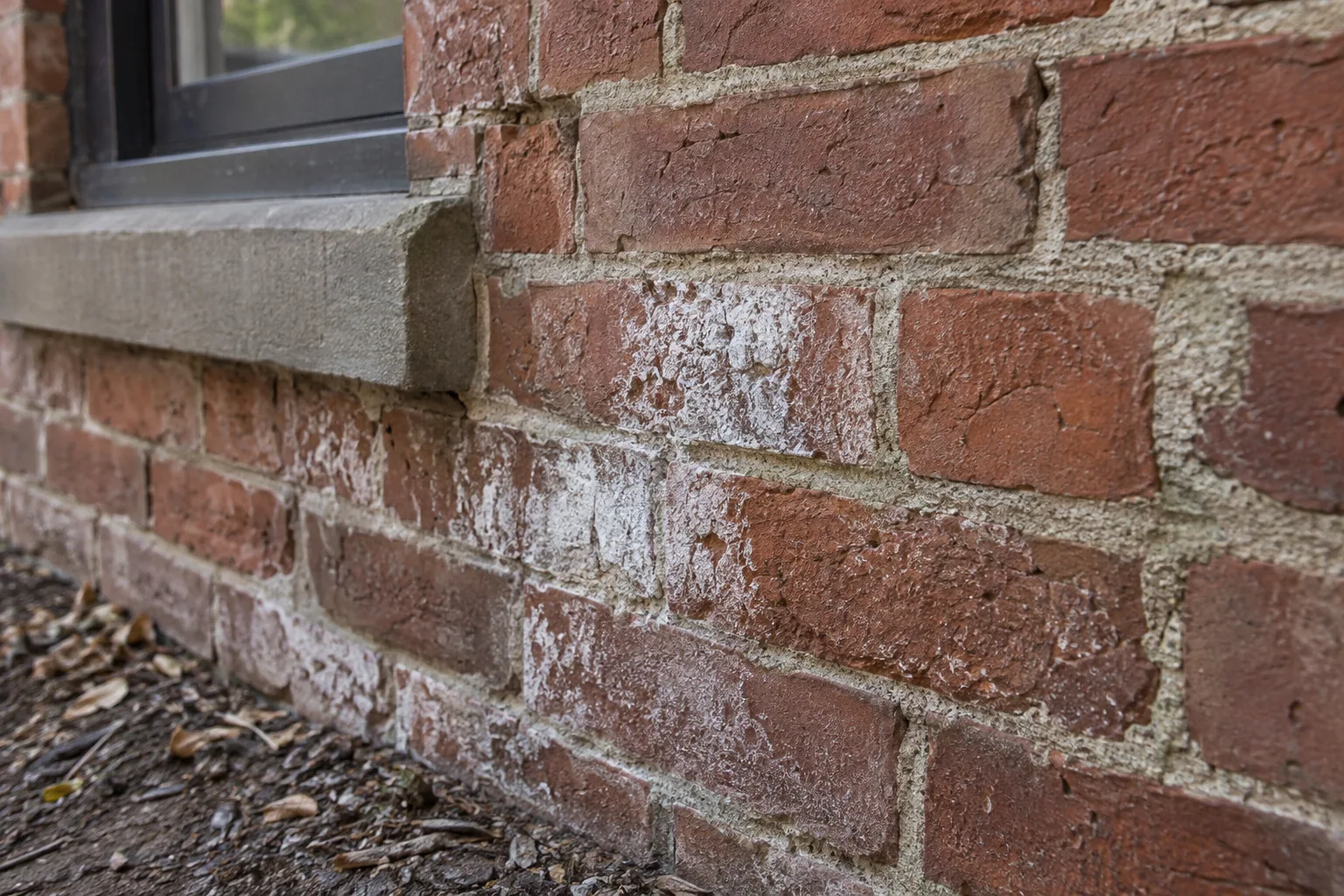
A white bloom on brick can be a record of water moving through masonry and evaporating at the surface. Its location and recurrence are often more useful to an investigation than the amount removed by cleaning.
Roof, walls & windows7 min read
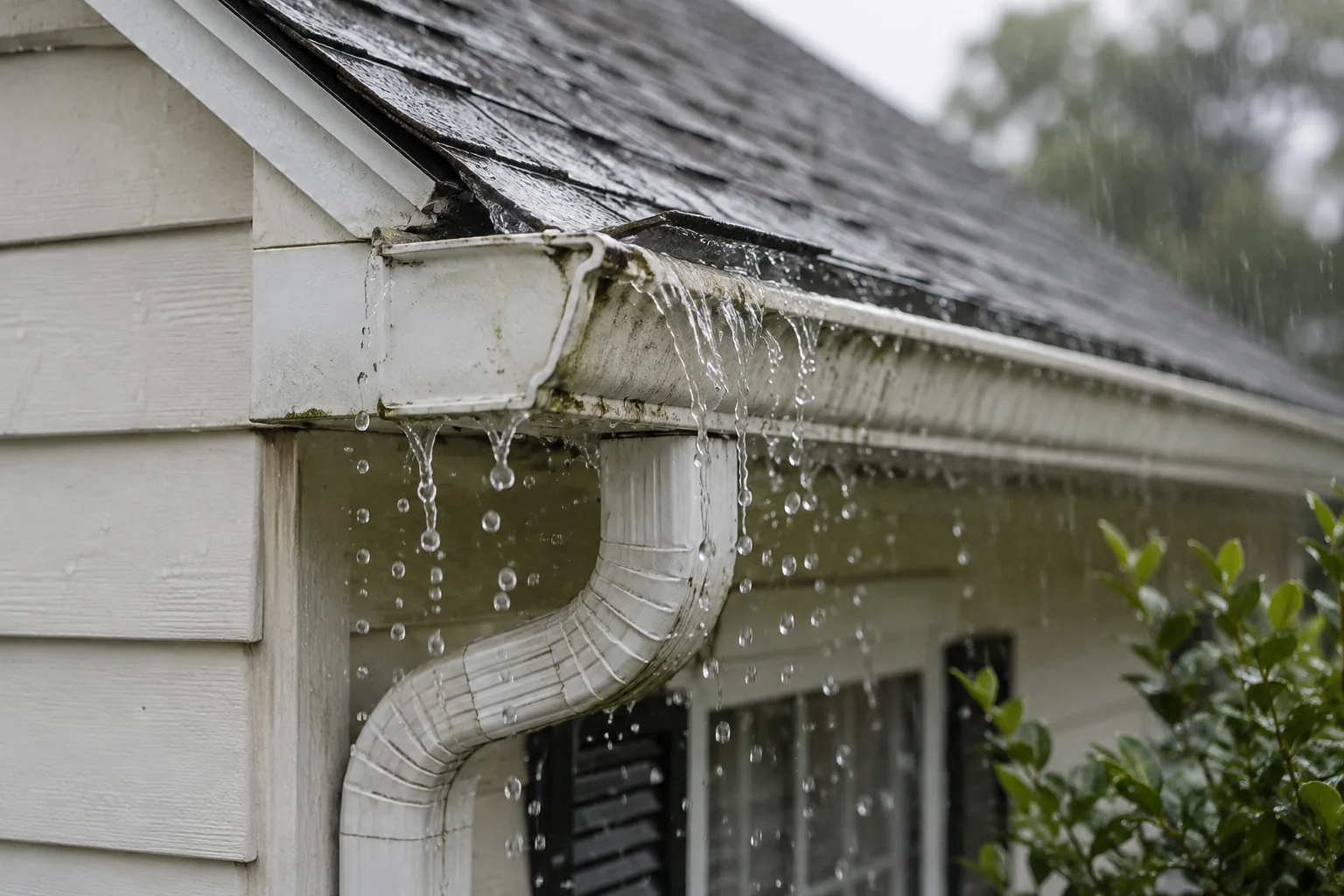
A gutter that spills during rain can wet more than the fascia below it. The useful inspection follows the whole route—from the roof edge, through the outlet and downspout, to the place where water finally leaves.
Water damage7 min read
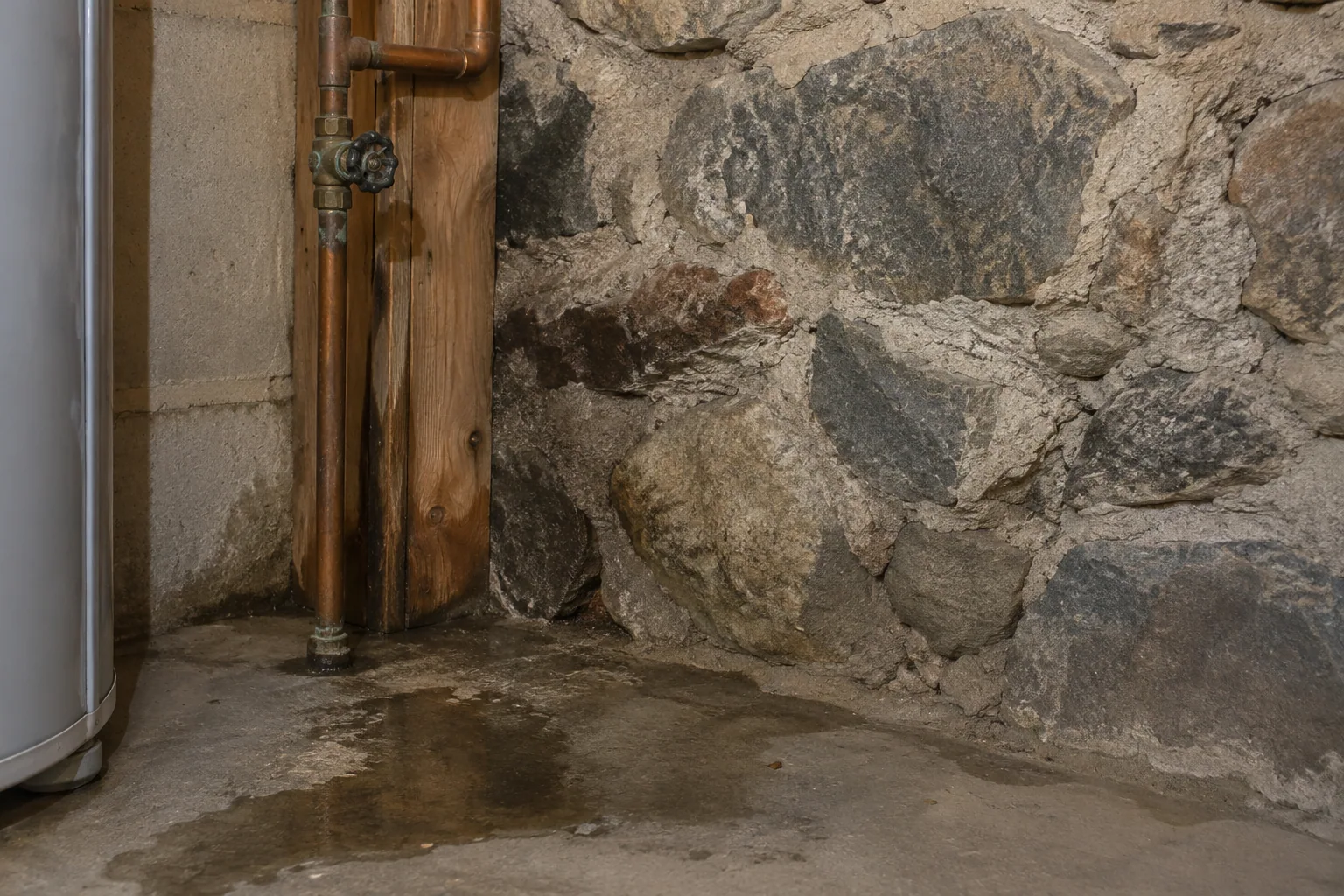
A puddle beside the foundation may have arrived through the wall, run down a pipe or crossed the floor from equipment elsewhere. Start with the first wet location and the timing before choosing a drainage system or plumbing repair.
Roof, walls & windows7 min read
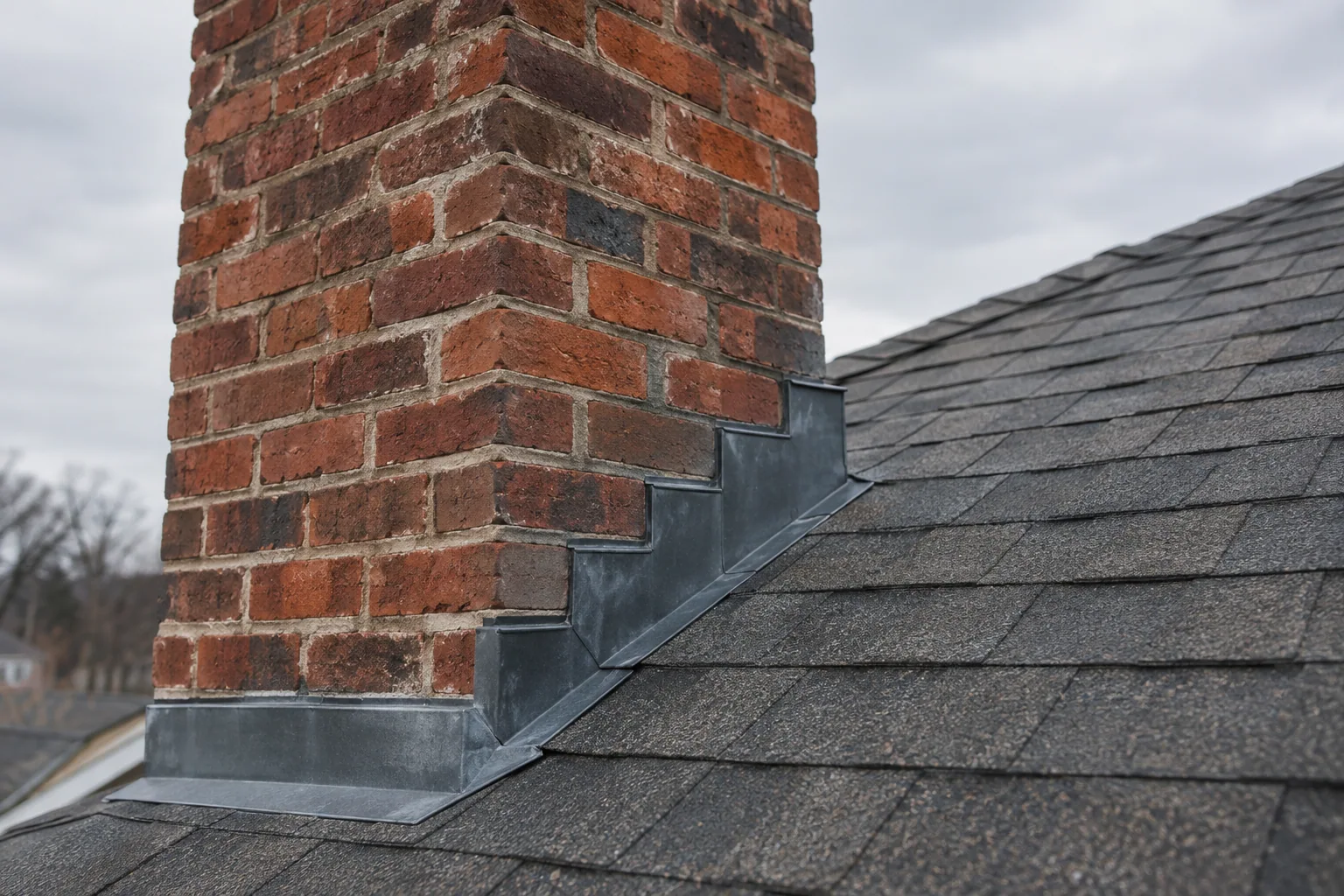
A chimney interrupts the roof and brings several materials together at one exposed location. A stain beside it may point to flashing, but the chimney top, masonry and adjoining roof also deserve attention before a repair is chosen.
Water damage7 min read
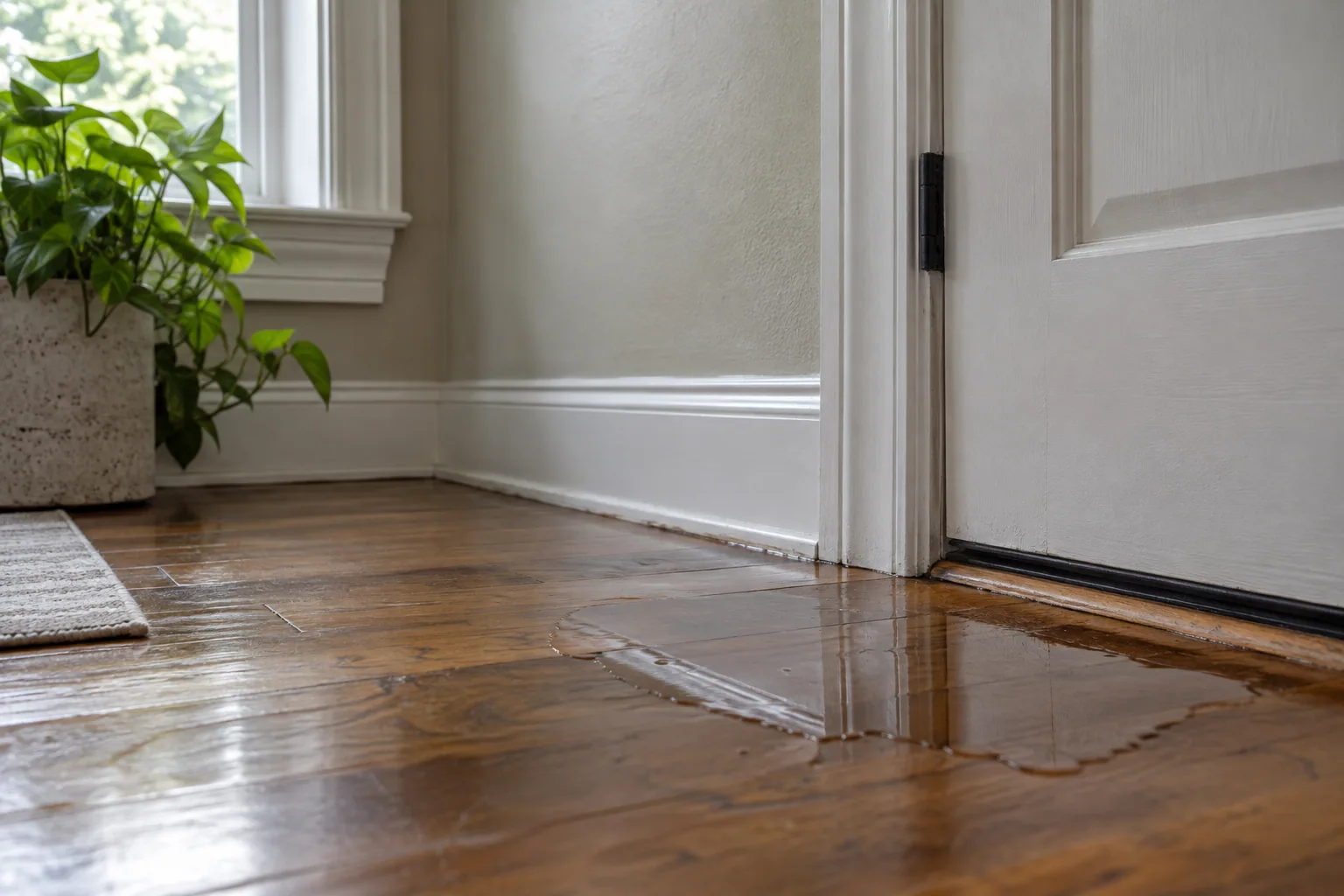
A ceiling drip and a flooded basement call for different responses. Start by identifying what you can safely reach, who can stop the water, and which parts of the building need inspection beyond the visible puddle.
Water damage7 min read
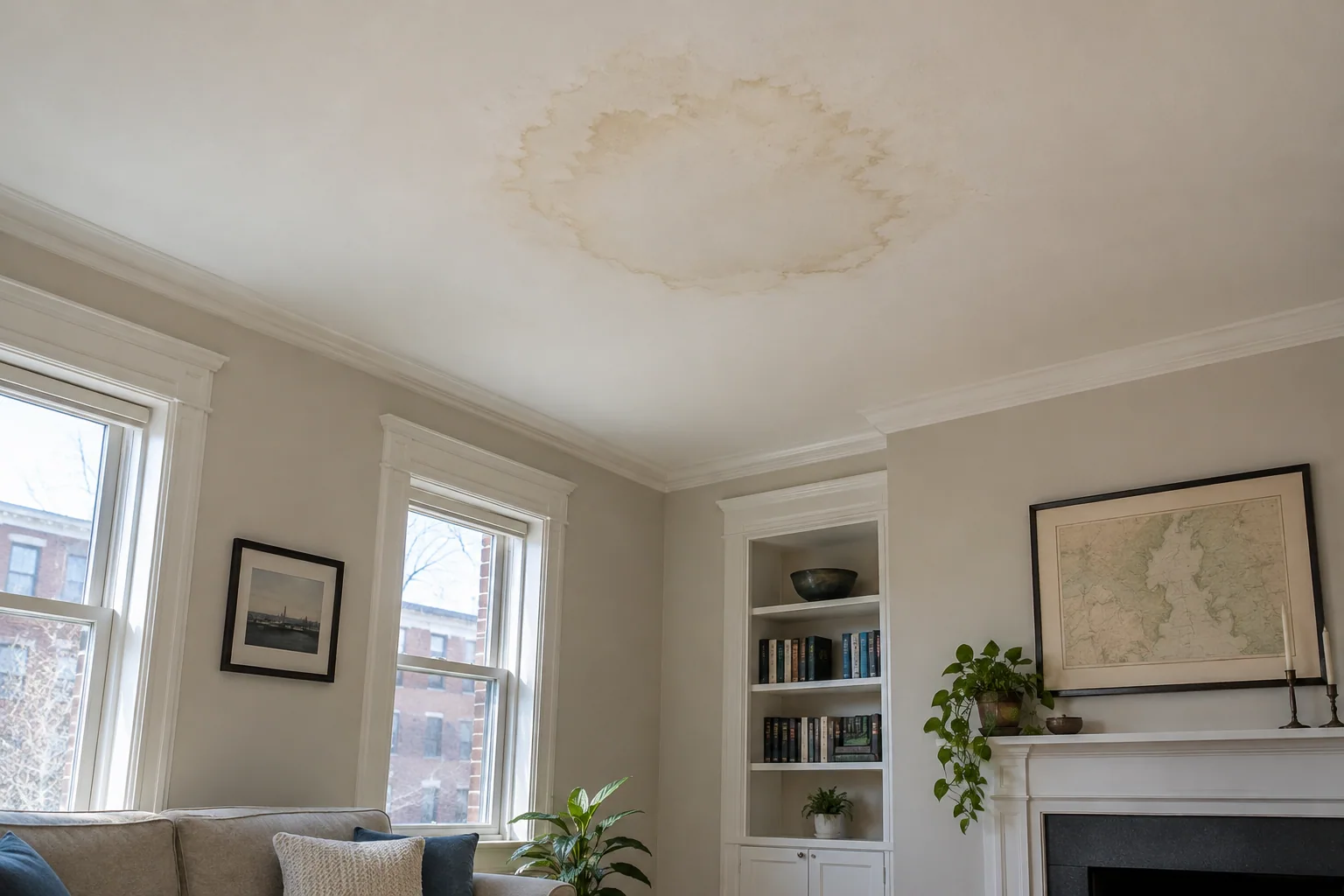
The stain is inside your unit, but the repair may involve several owners and a shared building assembly. Good documentation connects the source, the affected spaces and each person's responsibilities without turning guesses into accusations.

Water damage7 min read
A room full of fans is the visible part of drying. The work behind it is a series of decisions about where water traveled, which materials can remain, how moisture will escape and what evidence will show that the job is ready for repair.

Water damage7 min read
Raised board edges look alarming, but appearance alone cannot settle a flooring decision. The type of floor, its attachment, the condition below it and the water exposure matter as much as what you can see in the afternoon light.
Water damage7 min read
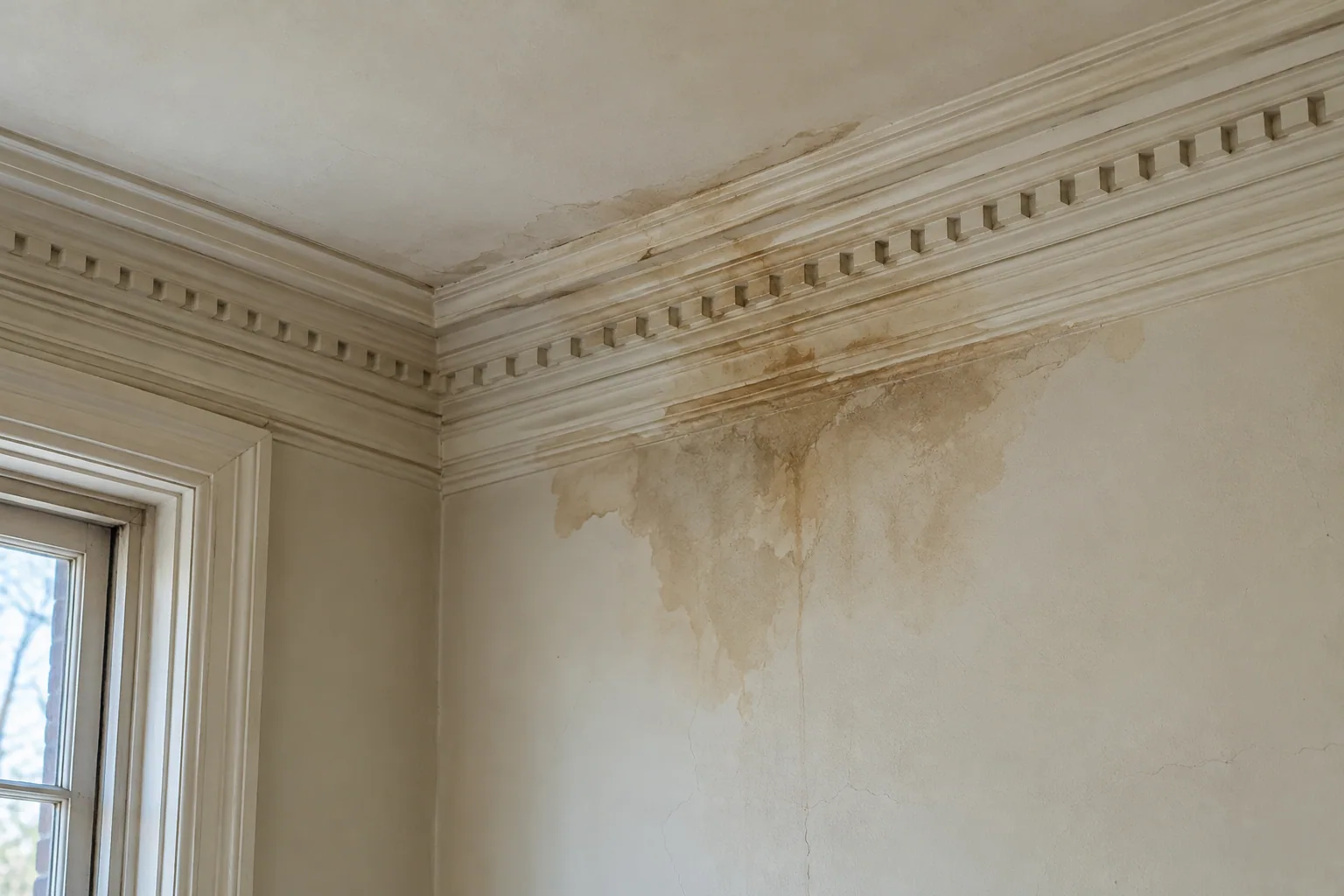
A brown ceiling mark is a reason to investigate, not a complete verdict on the plaster. The central questions are whether the leak has stopped, whether the plaster remains supported and whether the concealed assembly can be inspected and dried.
Water damage7 min read
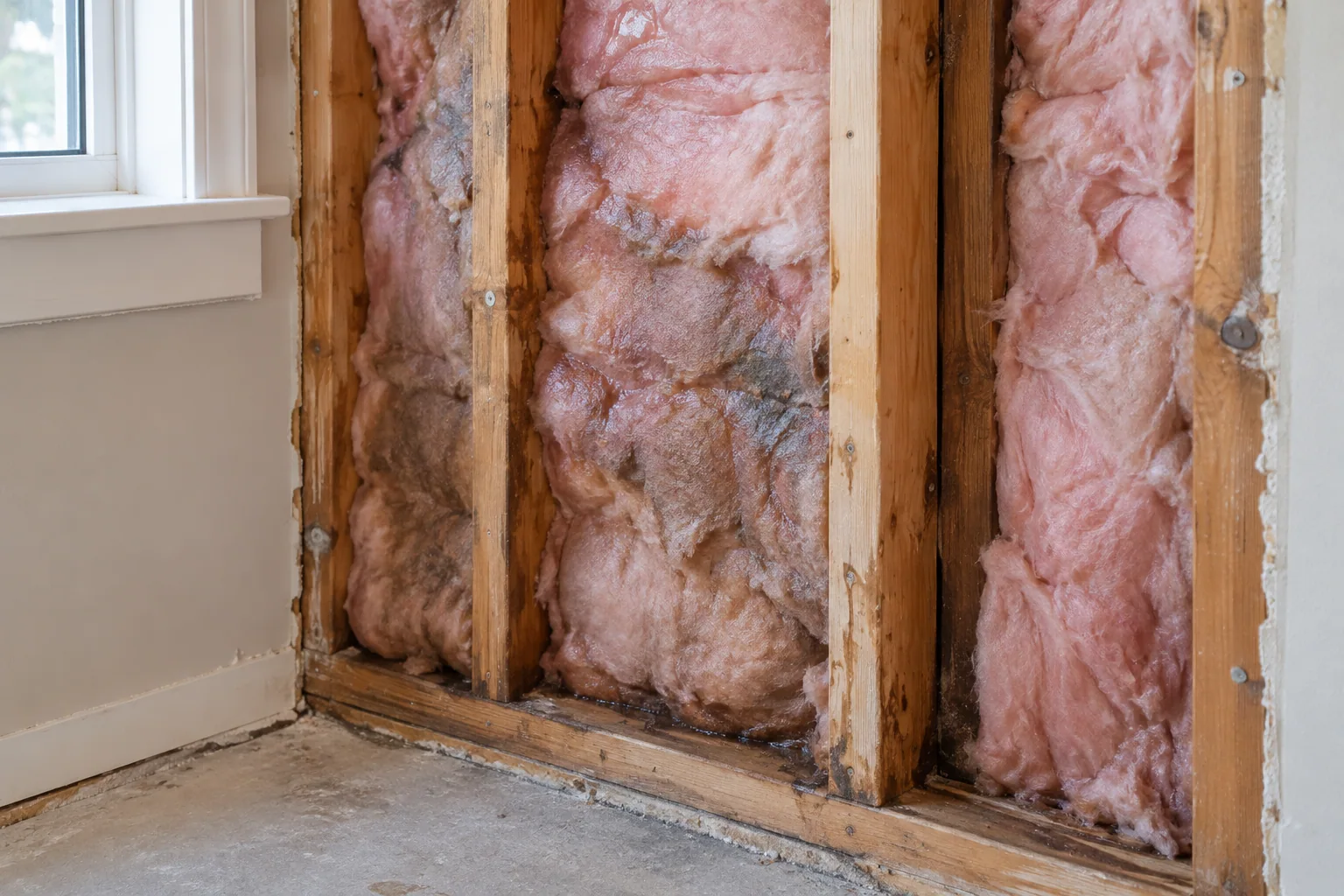
Insulation can hide the part of a leak that is hardest to inspect. The right question is broader than whether a batt feels damp: what material is present, what touched it, and what condition remains in the cavity around it?
Water damage7 min read
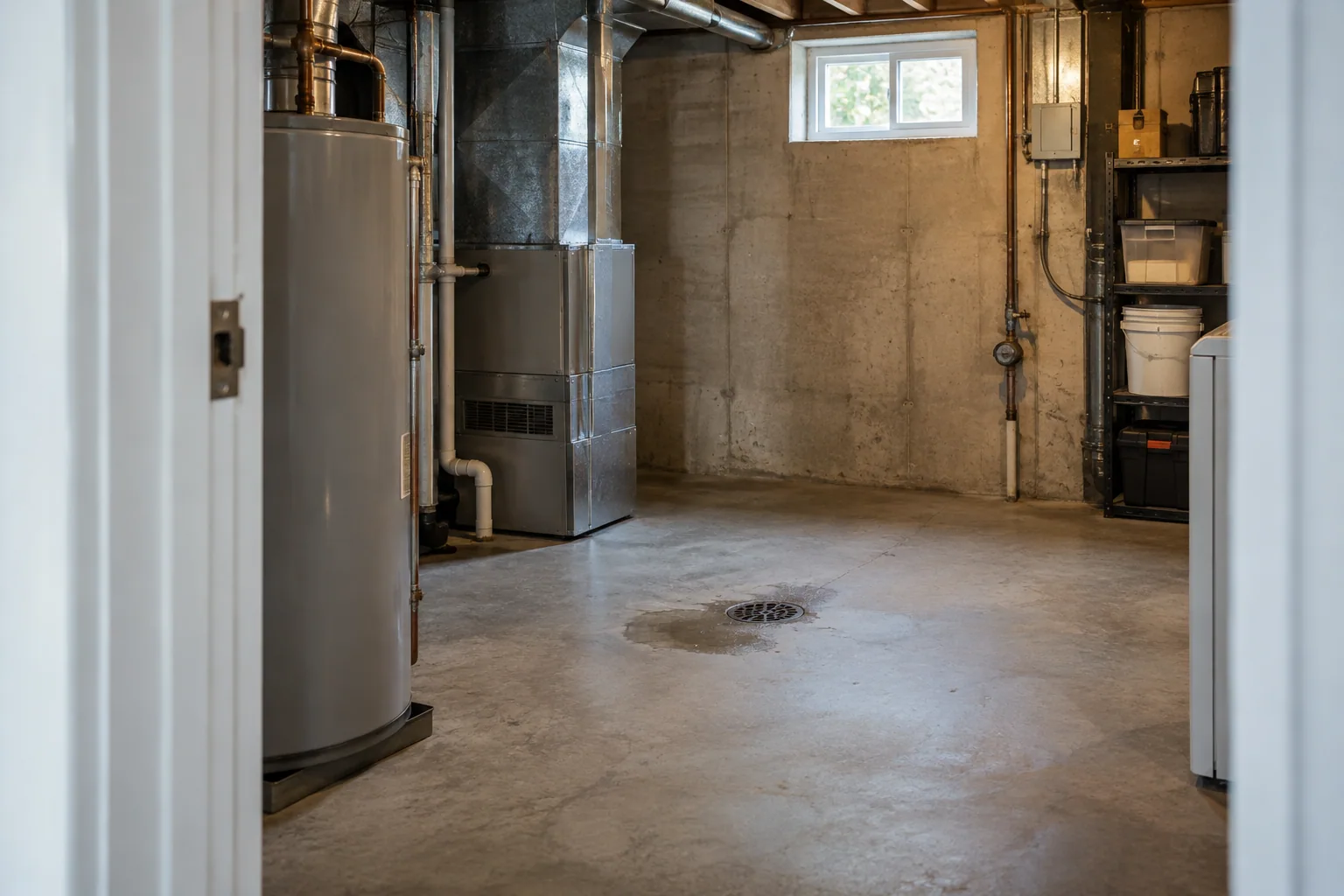
Water from a floor drain or backed-up toilet needs a different response from an ordinary spill. Keep the affected area separate, arrange help to stop the source and make sure cleanup addresses contamination as well as moisture.
Water damage7 min read
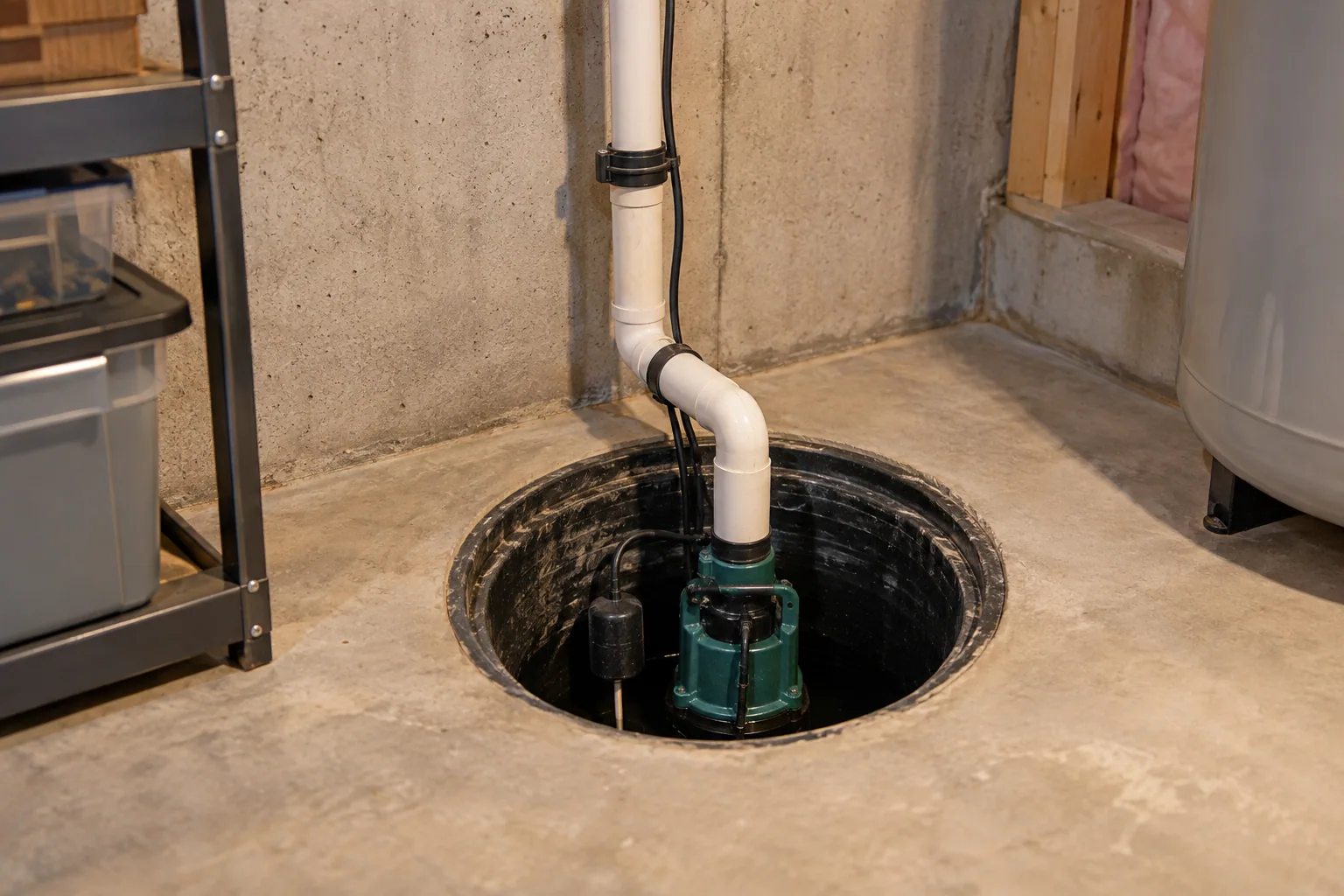
A silent pump and a pump that runs without lowering the water level are different clues. During a storm, the immediate priority is safe access and damage control. The permanent fix should follow a diagnosis of the whole drainage system.
Water damage7 min read
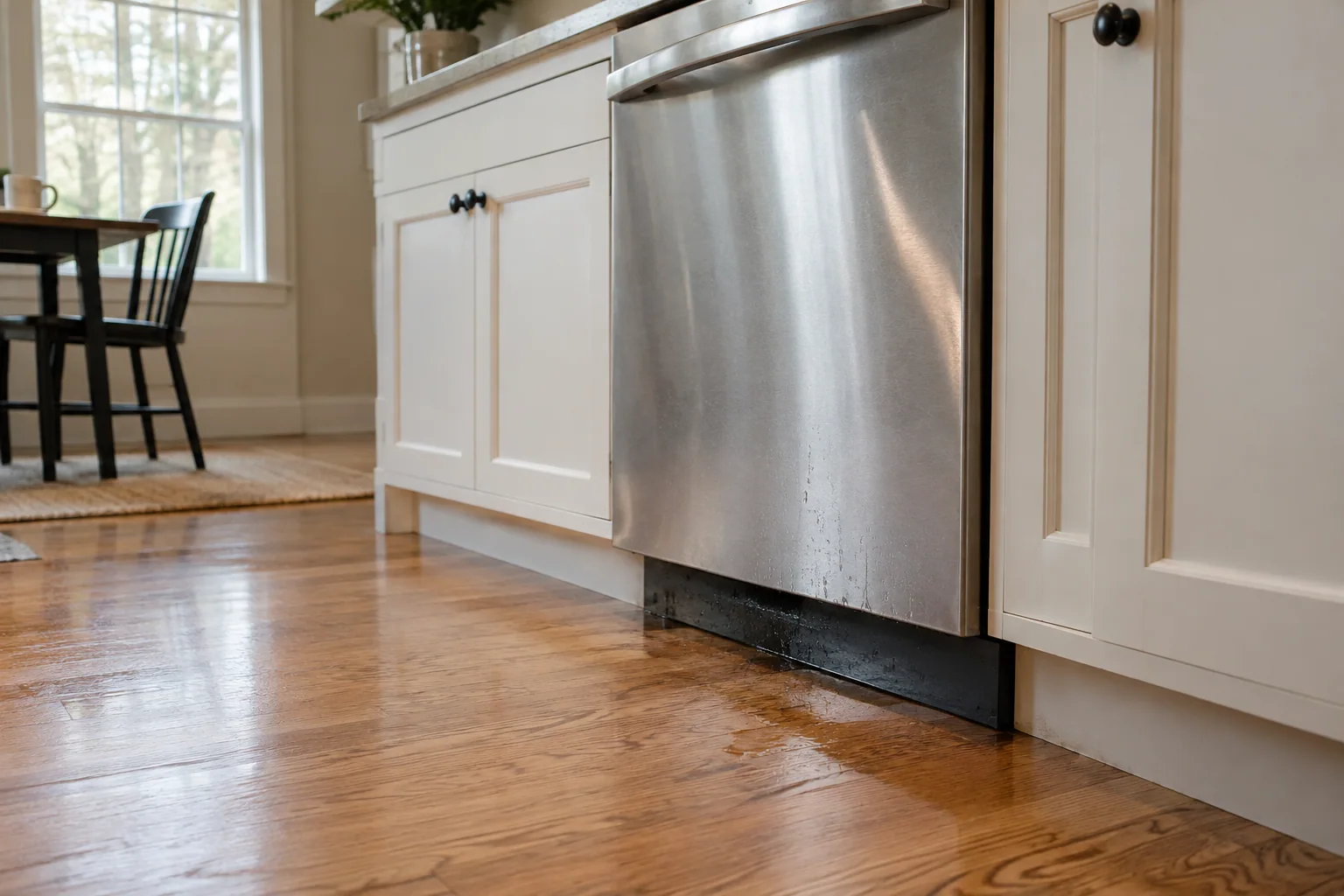
The first sign may be a swollen toe kick or a raised floorboard rather than water across the kitchen. Repairing the appliance is only one part of the job when moisture has reached the cabinet base or layers beneath the floor.

Water damage7 min read
Laundry water can reach a wall cavity or the ceiling downstairs before the floor near the washer looks seriously damaged. A useful investigation connects the machine's supply and drain system with the building materials around and below it.
Water damage7 min read
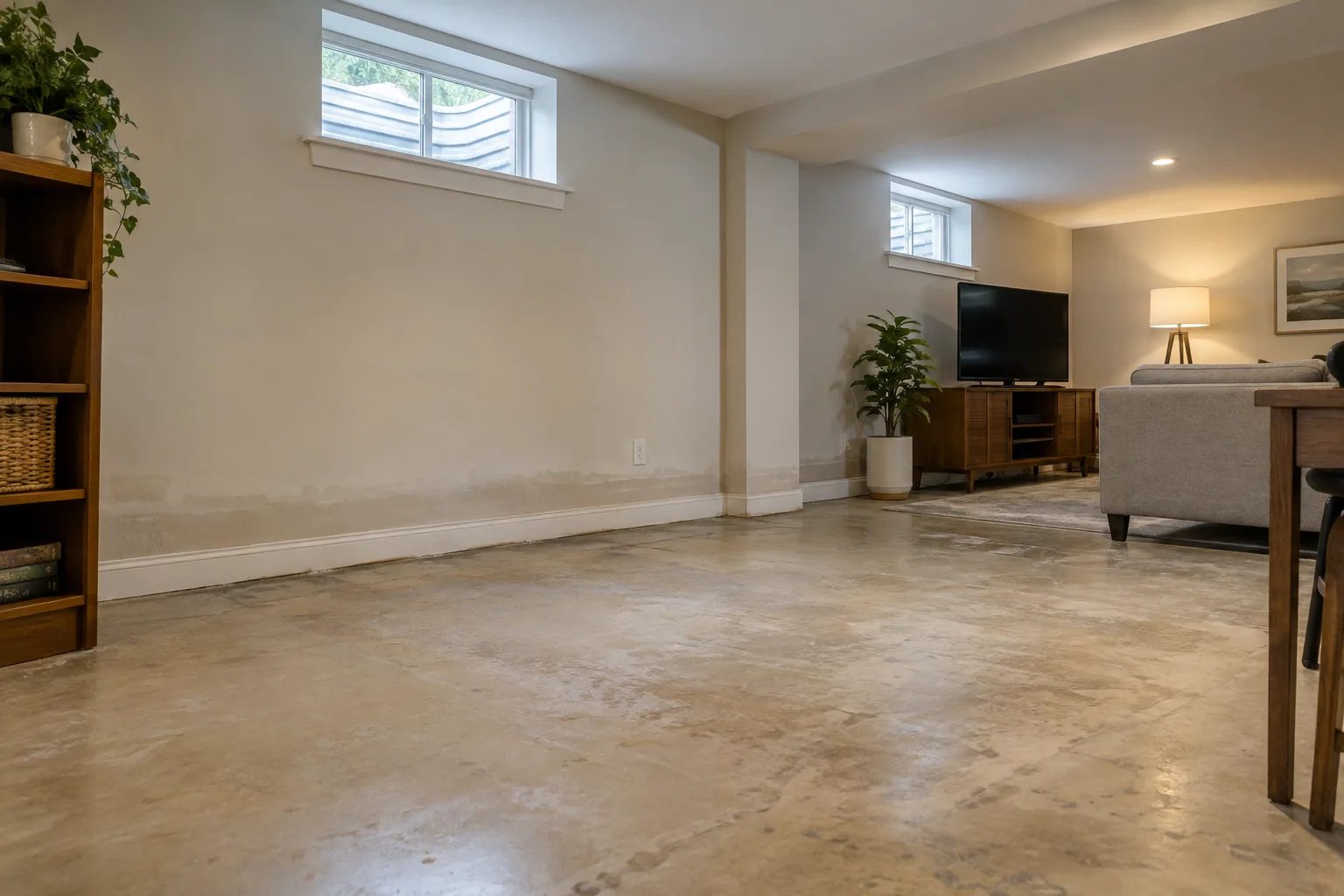
A finished basement contains two buildings in one: the foundation that manages ground contact and the room finishes built inside it. Flood recovery has to account for both, including the spaces hidden between them.

Water damage7 min read
A number on a meter looks definite. Its meaning depends on the instrument, setting, material and location. Understanding those limits helps you ask better questions about an inspection without turning a useful tool into a verdict on the whole house.
Water damage7 min read
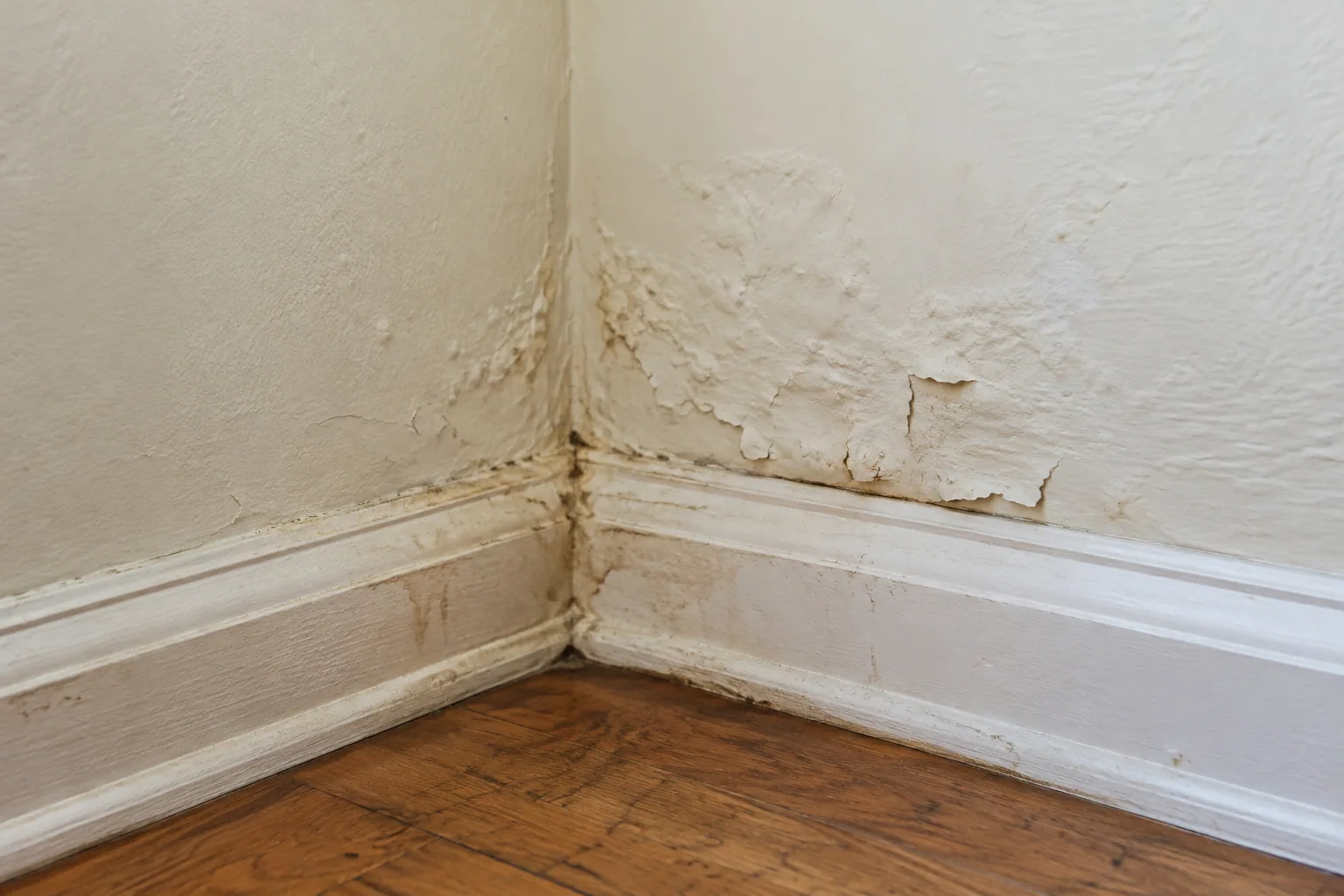
Blistered paint, a recurring stain or a musty corner can justify investigation, but none identifies the whole problem by itself. A useful inspection follows the building's water path and explains what can be learned before making an opening.
Fire & smoke7 min read
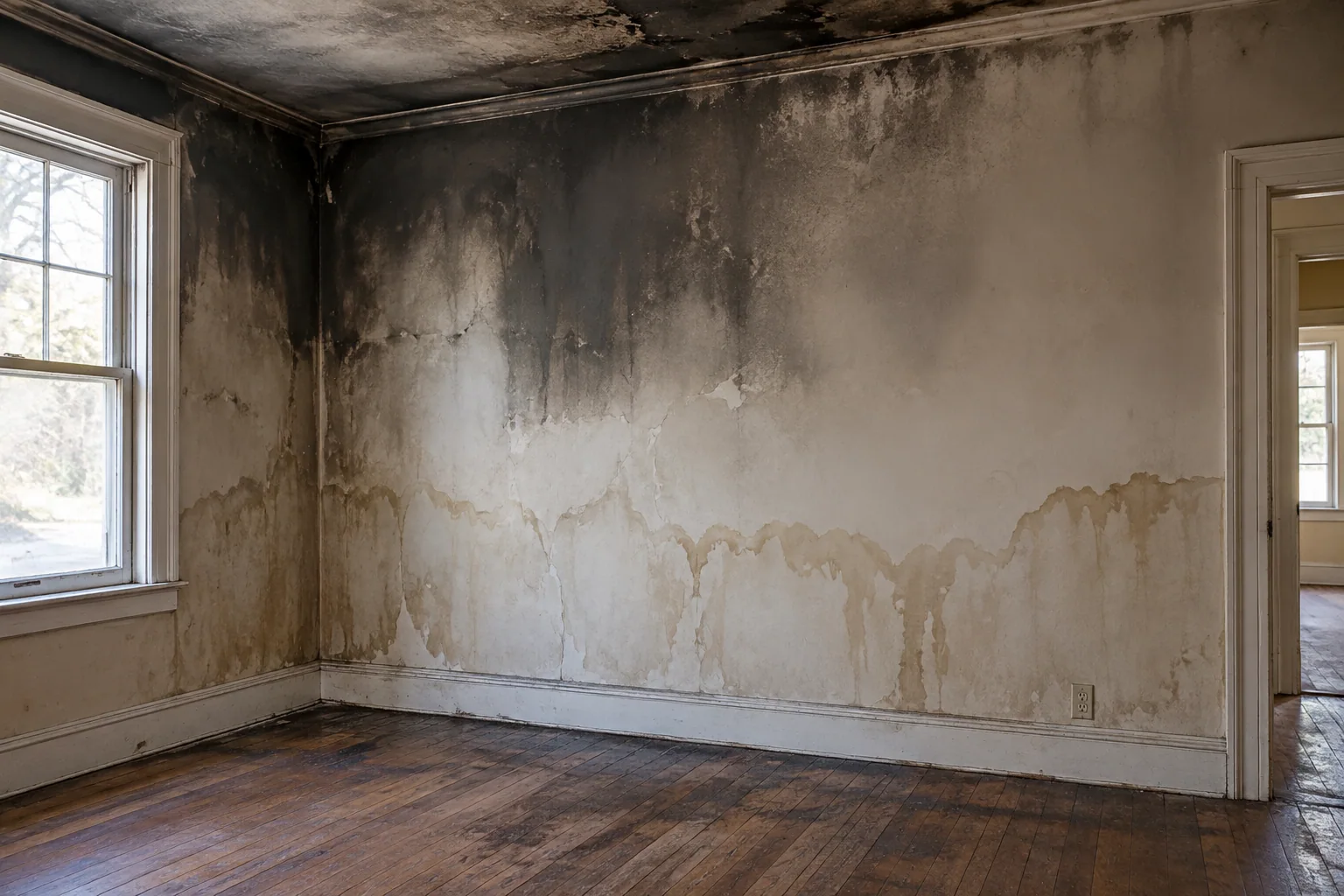
The fire may be out while floors, walls and belongings remain wet. Recovery must account for heat, smoke, water and the openings made during firefighting together. Treating the water as an ordinary clean spill can leave important hazards and damage unaddressed.
Mold & moisture7 min read
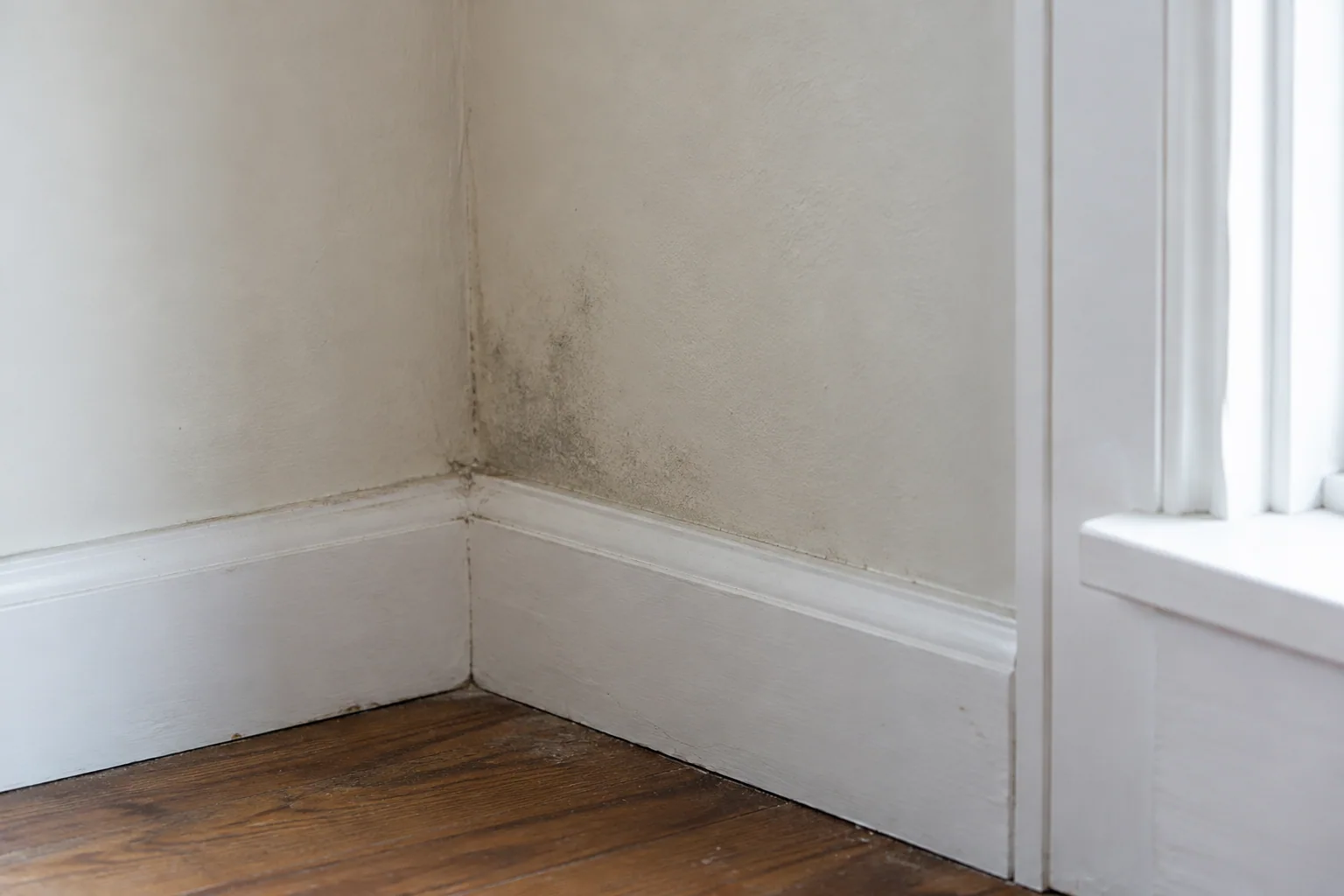
A ceiling spot, dark window corner or patch on basement wood can look alarming. Start with its location and moisture history. Those details are more useful than trying to identify a species from a photograph.
Mold & moisture7 min read
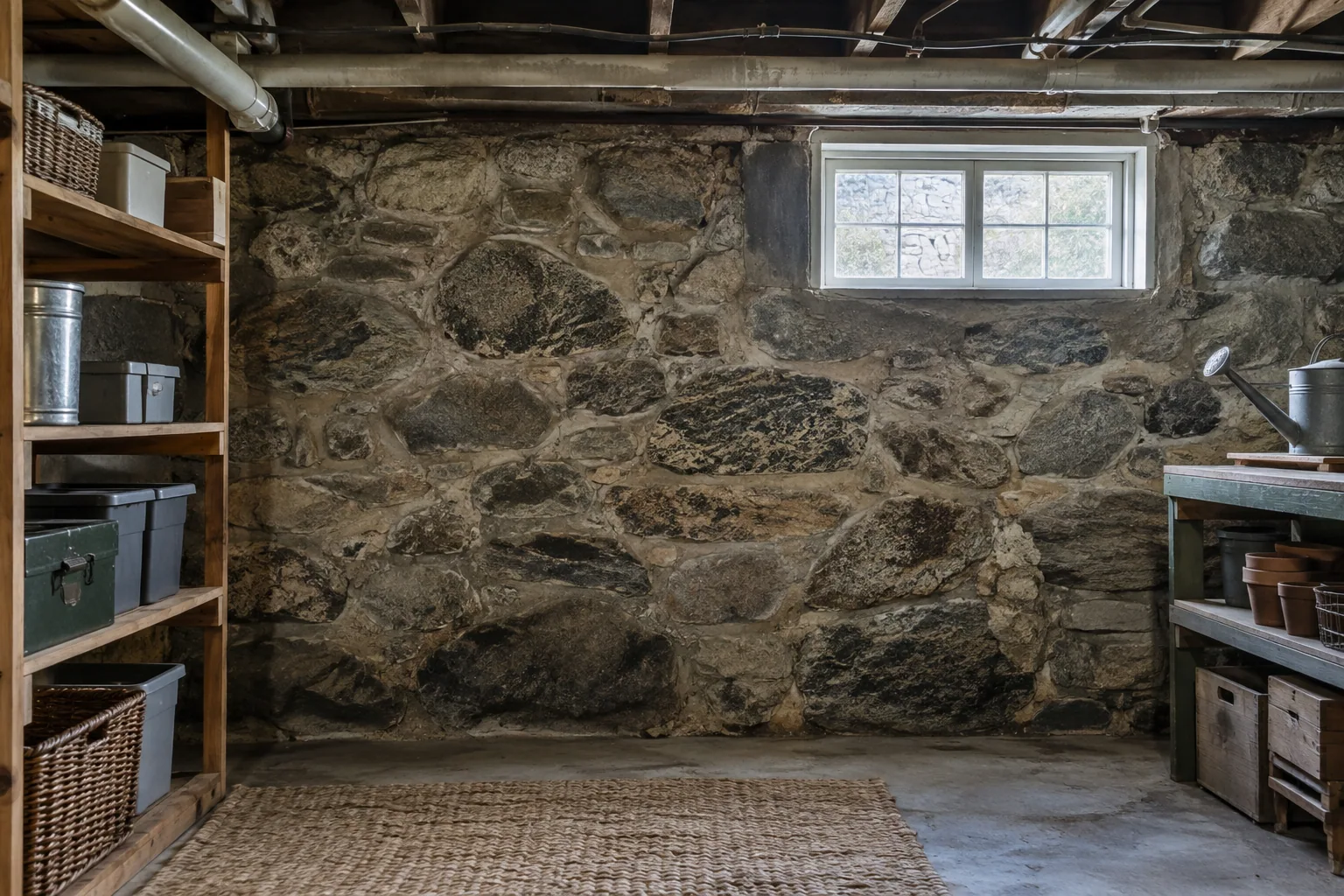
A basement odor can linger even when the floor looks dry. The useful question is where moisture and affected materials remain. Work through the room methodically before buying another scent, coating or machine.
Mold & moisture7 min read
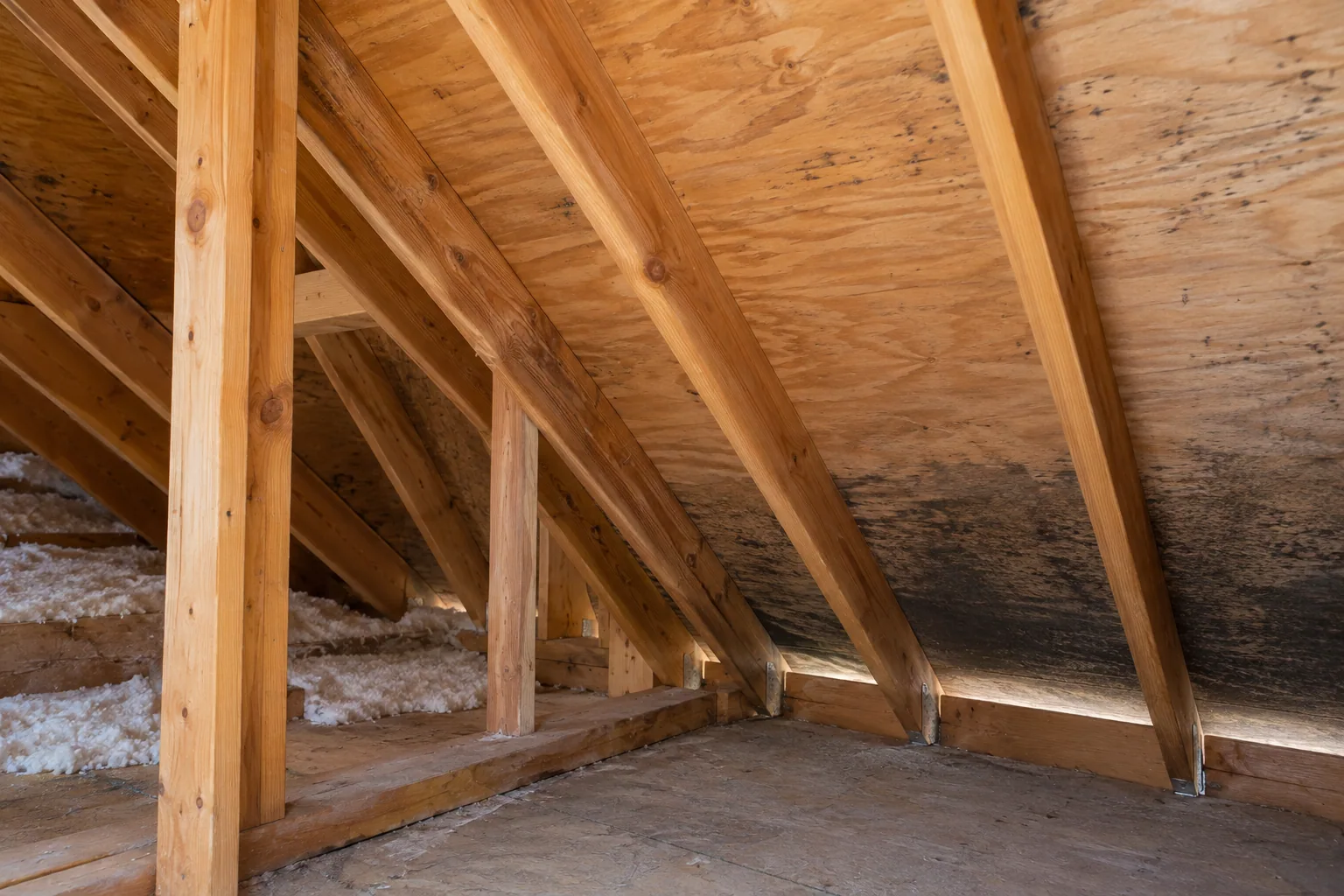
Dark roof sheathing is a reason to ask better questions, not to buy the first treatment offered. An attic assessment should explain where moisture comes from, what materials are affected and how the proposed repairs work together.

Mold & moisture7 min read
The same corner turns dark again after cleaning. Before changing products, look at how the bathroom gets wet and how it dries. Recurrence may involve everyday moisture, a failed joint or a leak that needs a different repair.
Mold & moisture7 min read
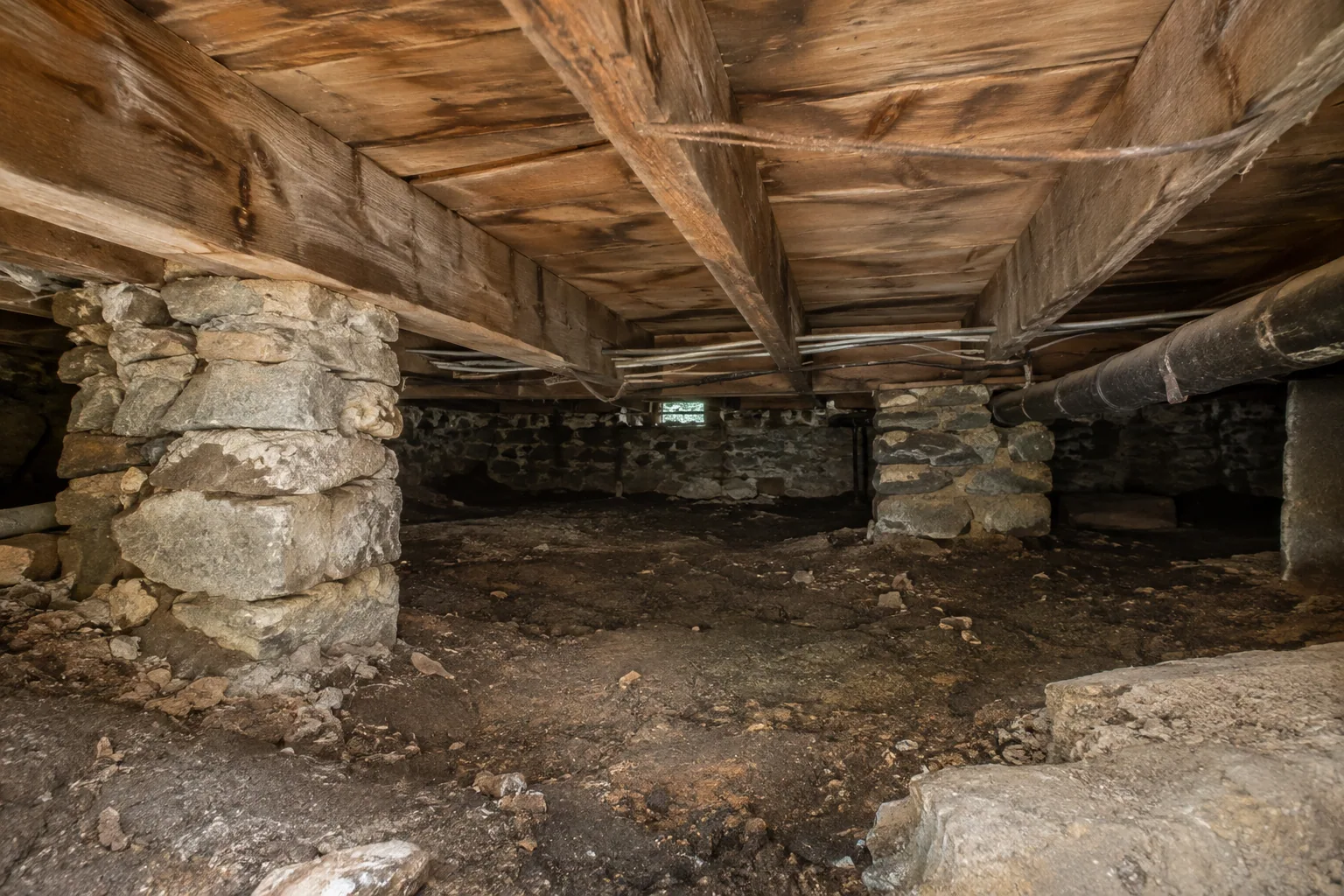
A low space beneath an addition can be easy to forget and difficult to inspect. Moisture work starts with understanding that space: its boundaries, ground conditions, utilities and connections to the rest of the house.

Mold & moisture7 min read
The crew has left and the room looks different. Before new finishes hide the work, review the evidence that the agreed cleanup is complete and the moisture problem has been addressed. A useful handover makes the next stage much clearer.
Fire & smoke7 min read
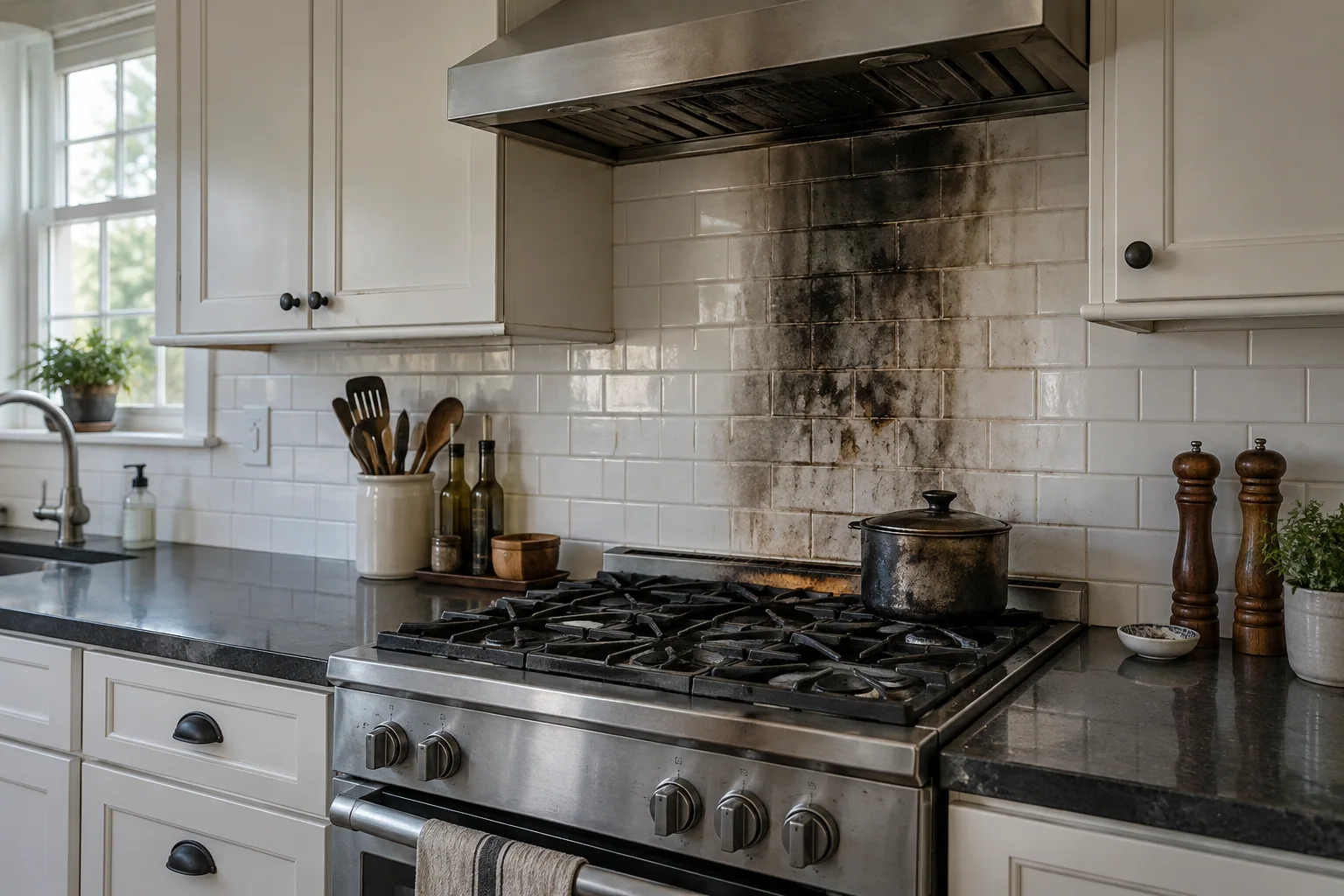
The flames may have stayed at the stove while smoke, heat and firefighting water reached farther. Once the emergency is over, a room-by-room assessment helps separate immediate safety decisions from cleaning, contents and reconstruction.

Fire & smoke7 min read
The room may look clean while a smoke smell remains. A useful follow-up identifies where the odor occurs and what was included in the work. Repeating a treatment without reviewing the source can leave the same question unresolved.
Fire & smoke7 min read
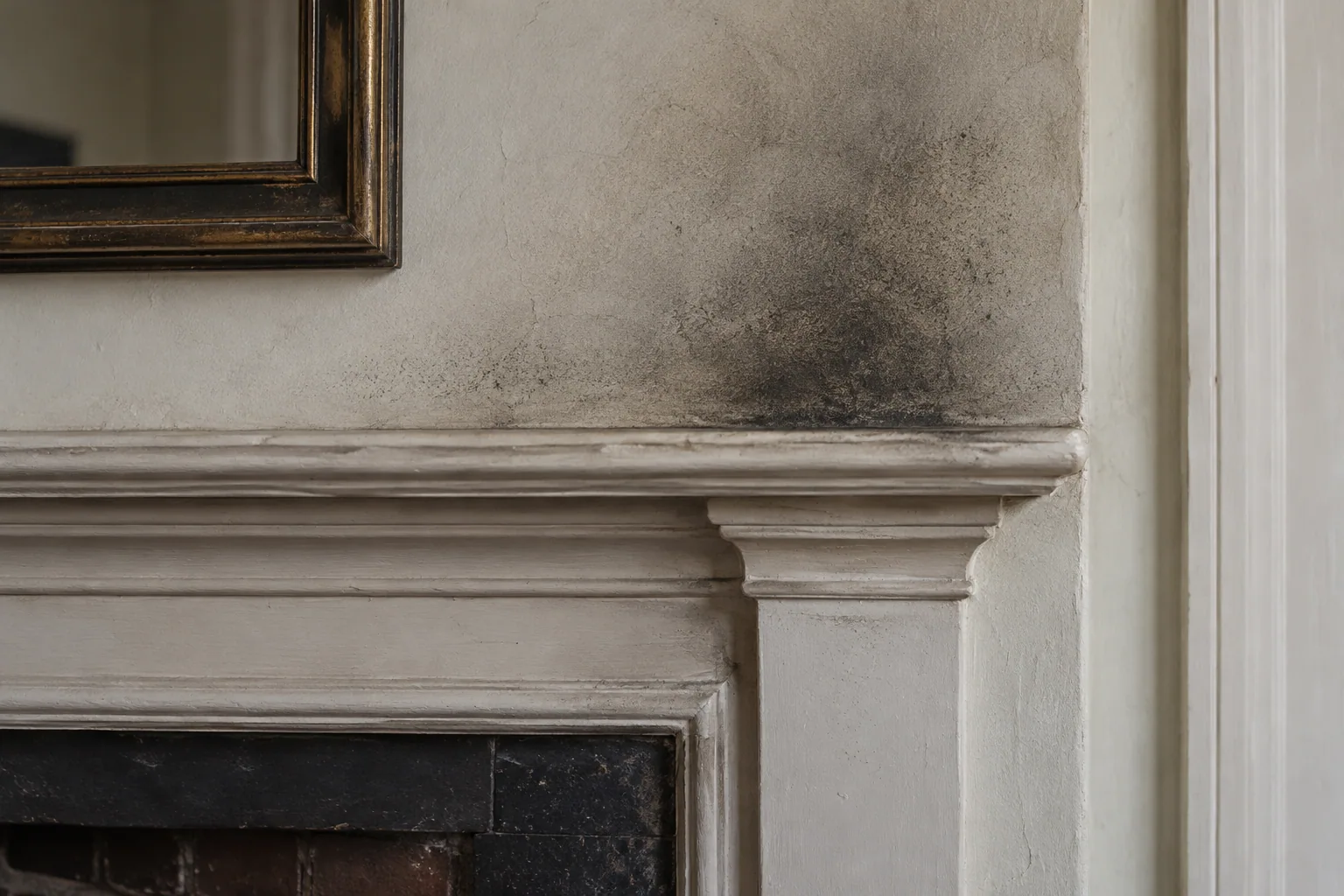
Soot changes the decisions you make about a familiar surface. Original woodwork, painted plaster, fabric and appliances do not all tolerate the same method. A careful assessment protects the material while defining what can reasonably be restored.

Fire & smoke7 min read
When belongings leave a damaged home, the inventory becomes as important as the truck. A clear pack-out plan records each item's condition, destination and next decision, so you can follow your possessions through cleaning, storage and return.

Planning & professionals7 min read
An urgent loss can compress a major hiring decision into a short phone call. Focus that conversation on the work being authorized now, the evidence behind it and the responsibilities that continue after the first crew leaves.

Planning & professionals7 min read
A total price tells you little without the work behind it. Read a restoration estimate as a description of rooms, materials, tasks and assumptions. That makes competing proposals easier to compare and later changes easier to question.
Planning & professionals7 min read
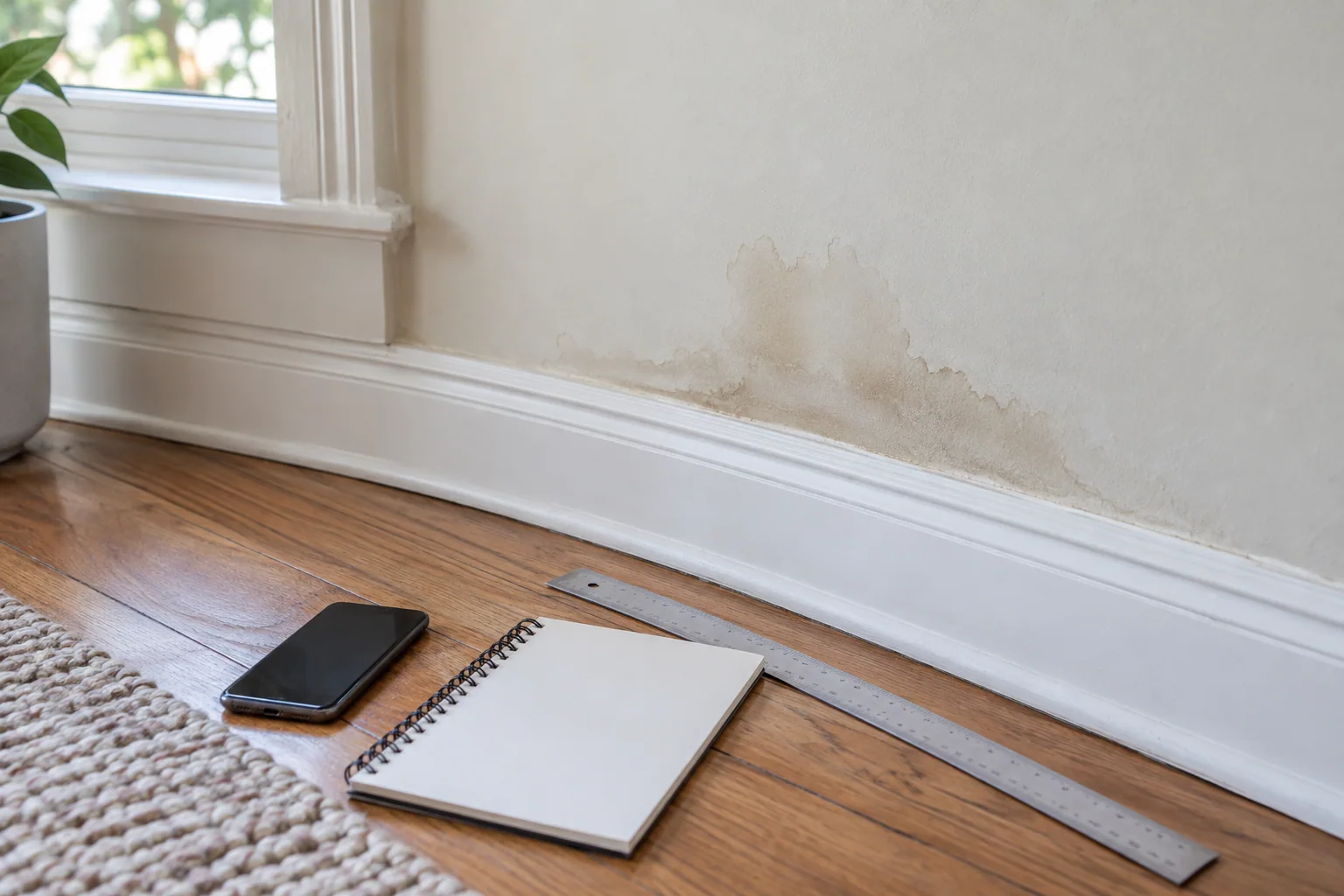
Good documentation does not require a special camera. It requires safe access, a consistent room-by-room method and clear separation between what you saw and what someone concluded. Begin simply, then add records as the work develops.

Planning & professionals7 min read
A useful maintenance calendar follows the house through changing conditions. Spring rain, summer humidity and winter cold reveal different weaknesses. Keep the routine small enough to repeat, and connect each observation to a clear next action.
Planning & professionals9 min read
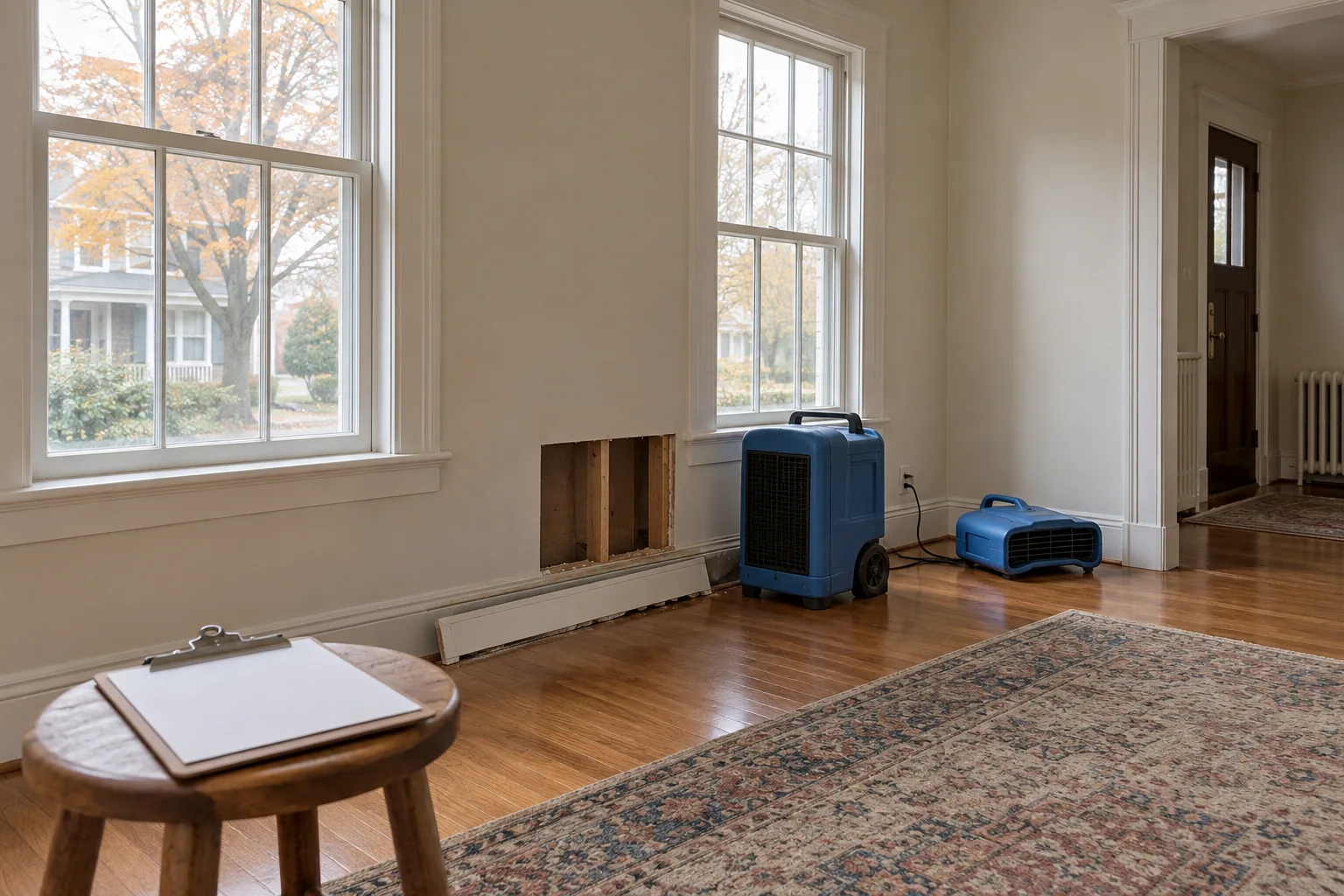
The leaking pipe has been repaired, but the ceiling is open and drying equipment is still running. Moving that room toward repair takes several decisions. Each needs an owner, a useful record and a clear limit on what has actually been completed.