The useful starting point
Keep children, pets and unnecessary foot traffic out of a sewage-affected area. Arrange a plumber or sewer authority assessment and a cleanup professional experienced with contaminated water. The work should address source control, material removal, cleaning, drying and a documented handoff; odor removal alone does not establish completion.
Keep the affected area separate
Stay on the clean side of the affected area. Do not cross sewage to inspect a drain or retrieve a box, especially where wet flooring may contact electrical equipment. Keep people and pets away. If water blocks the only safe route, leave and request help; a closer photograph is not worth entering the contaminated space.
Avoid carrying wet rugs, boxes or shoes through unaffected rooms. Let the cleanup company plan a controlled route for removal. Do not set up household fans or use an ordinary vacuum on sewage. This is a situation for a team that understands contaminated-water cleanup, including the protection needed for the work and for people elsewhere in the building.
Find out who can stop the backup
Call a plumber and, when the problem may involve the public system, the local sewer authority. Tell them which fixtures are affected, whether sewage is still entering and whether other units or nearby properties report the same problem. Follow their instructions about plumbing use. In a shared building, notify management immediately so occupants do not unknowingly add discharge while the cause is being assessed.
Do not assume the cause from the weather alone. A storm may coincide with a public-system problem, a building drain blockage or another condition. Request the service findings and any inspection record. The person clearing the obstruction may not be the person responsible for cleaning the room, so make sure the cleanup provider knows whether the source is controlled or could recur.
Document from the clean side of the boundary
Take wide photographs that show the affected room and the location of entry, provided you can do so safely. Record the discovery time and the fixtures involved. An inventory can begin with visible objects and later be completed by the cleanup team. Do not sort contaminated boxes by hand merely to make the list more detailed before help arrives.
Contact your insurer and ask about the applicable policy or endorsement, documentation and disposal requirements. Massachusetts guidance distinguishes flood losses from other water events, so provide a factual description rather than choosing a label intended to fit coverage. Keep cleanup authorizations, invoices and the plumber's findings together. If items need urgent disposal, ask how to preserve an adequate record without keeping contaminated possessions in living areas.
Separate cleaning from keeping materials
A hard surface and an absorbent item present different cleanup questions. MassDEP's home-care guide emphasizes removal of contamination, cleaning and restoration of dry conditions, with disposal decisions for affected furnishings. Ask the contractor to classify the actual materials in your room. The decision should consider exposure and cleanability, including backs, seams and layers that cannot be reached from the visible face.
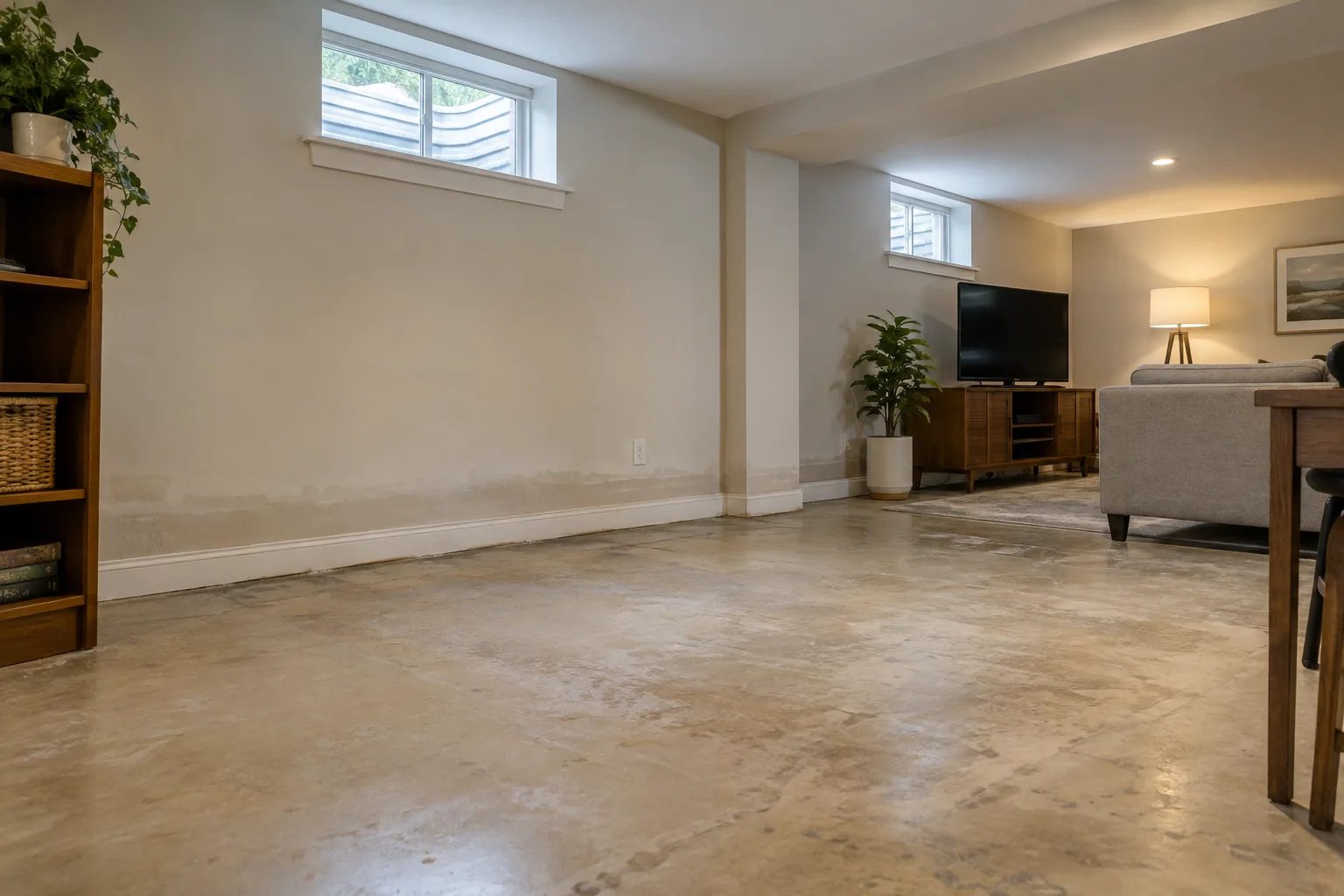
A finished basement can contain carpet pad, wallboard, insulation, cabinet bottoms and stored textiles in the same affected area. Ask which materials will leave, which will remain and why. A generalized line for sanitizing the basement does not tell you whether contaminated porous material is being retained. Request the removal boundary and the plan for adjacent spaces before reconstruction begins.
| Part of the job | What to clarify | Record to request |
|---|---|---|
| Source control | Whether flow has stopped and why it occurred | Plumbing or sewer findings |
| Contents | What can be cleaned and what must leave | Photographed inventory and disposition list |
| Building materials | Removal boundaries and concealed exposure | Scope with room and material labels |
| Cleaning and drying | Methods, access and verification | Completion notes and moisture findings |
| Rebuilding | Prerequisites before closing surfaces | Repair scope and required inspections |
Ask about concealed contamination
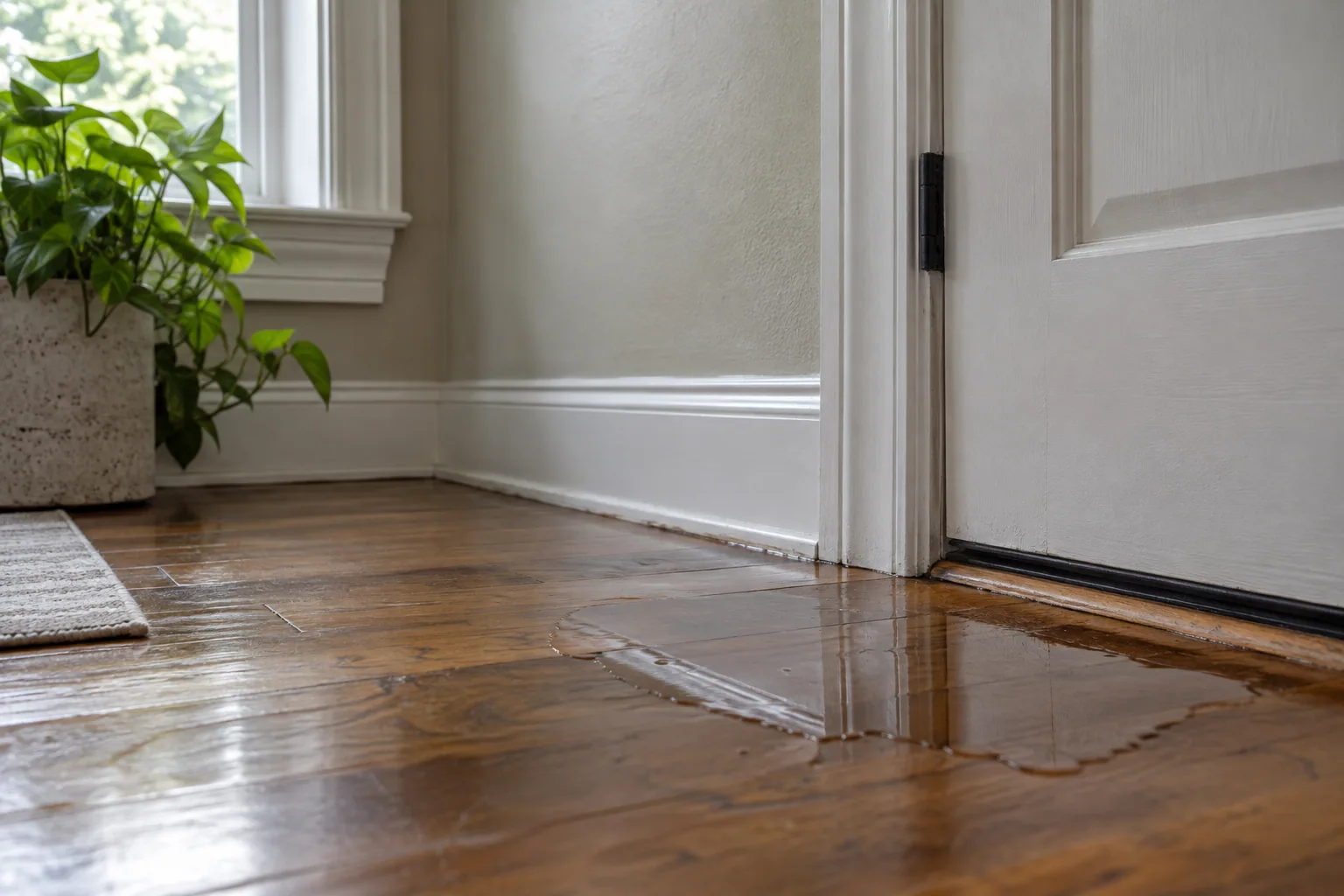
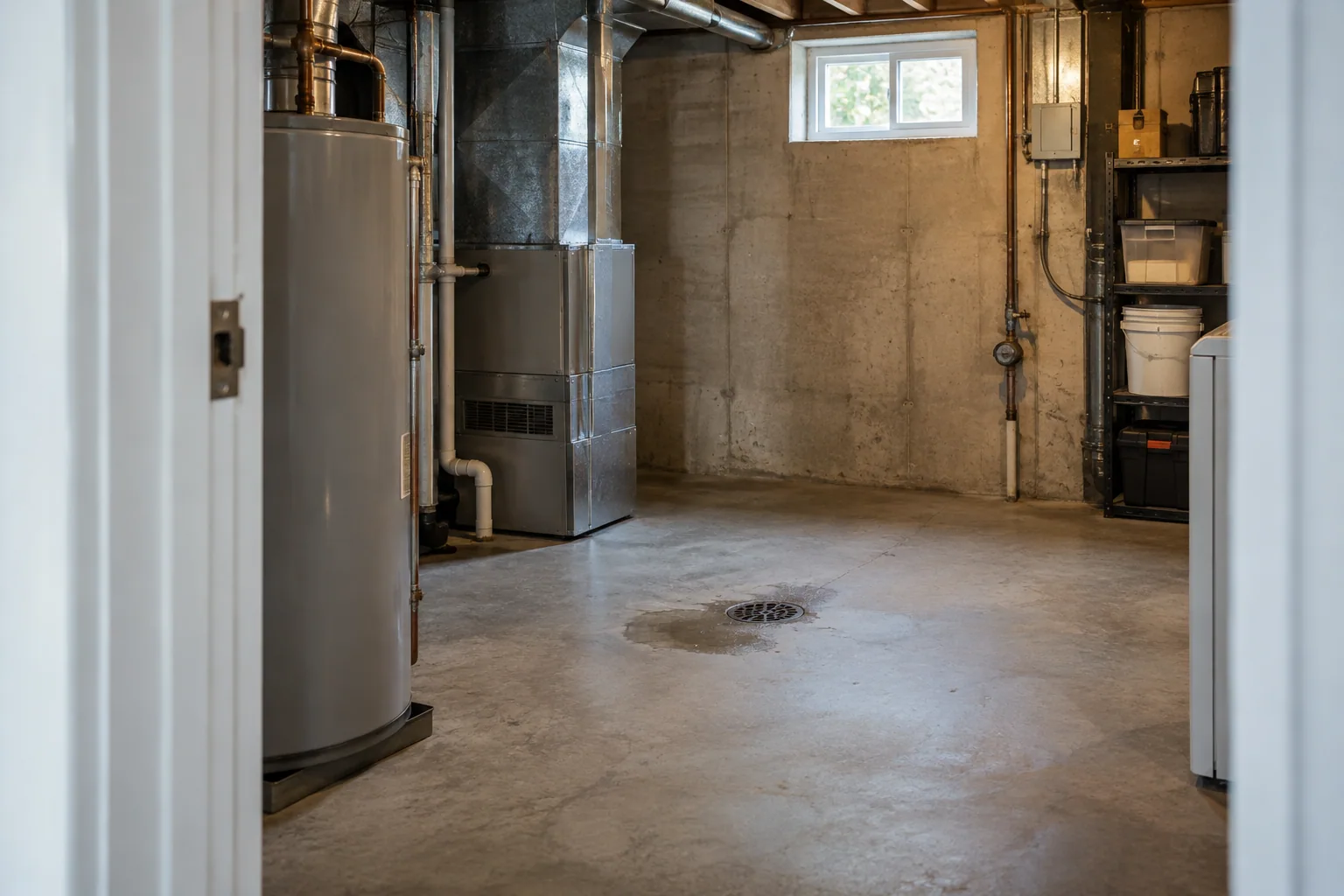
Sewage can reach beneath floor coverings and behind baseboards. The cleanup contractor should explain how those areas will be inspected and what access is needed. A clean visible floor is only one part of the assessment. Ask specifically about lower wall cavities, unfinished storage areas and adjoining rooms where water could have traveled under a threshold.
Older basement renovations may conceal materials requiring specialized handling before disturbance. Tell the contractor about known asbestos materials or prior lead work, and ask how unknown layers will be evaluated. The cleanup plan should coordinate those concerns with urgent source control. You should not be asked to scrape, cut or sample old materials yourself as a condition of obtaining an estimate.
Agree on completion before the room is rebuilt
Ask what the contractor will document at the end of cleanup: affected boundaries, removed items, surfaces addressed and relevant drying findings. No single fragrance, surface appearance or meter reading can answer every part of the job. A strong handoff explains how the team addressed both contamination and moisture, and identifies any area that could not be accessed.
If an independent assessment is proposed, ask what question it will answer, who will conduct it and how the results will affect the next step. Avoid paying for a test whose purpose no one can explain. The practical goal is a supported decision about the building, with any unresolved concern addressed before fresh drywall, flooring or storage shelves conceal the affected area.
Choose prevention based on the confirmed cause
Once the source investigation is available, discuss prevention with a qualified plumber and the sewer authority. MassDEP identifies sewer backflow protection as an option that requires consultation with the proper authority. A valve, a pump and a drain repair solve different problems. Installing one without understanding the backup can create an expensive sense of reassurance without addressing the actual failure.
Review how the basement is used. Keep important records and irreplaceable possessions out of vulnerable low storage, and make the relevant emergency contacts easy to find. In a multiunit house, agree on how occupants report a backup and who can arrange urgent access. These steps do not eliminate all risk, but they reduce confusion when a drain problem happens outside normal business hours.
Your field checklist
- Keep people and pets out of the affected area.
- Contact a plumber, management and the sewer authority as appropriate.
- Record the source and extent without crossing contamination.
- Arrange professional contaminated-water cleanup.
- Request itemized removal, cleaning and drying scopes.
- Use the confirmed cause to plan prevention with qualified professionals.
A few common questions
Can I disinfect the carpet and keep it?
Do not assume a surface treatment makes sewage-affected absorbent materials suitable to retain. Ask the cleanup specialist to assess the carpet, pad and layers below. The decision must address the actual exposure and cleanability, not only the visible stain.
Is the job finished when the smell is gone?
No. Odor is not a complete measure of contamination or moisture. Request records of source control, affected-material decisions, cleaning and drying before using the area or closing repairs.
Will a sump pump prevent another sewage backup?
Do not treat a sump pump as a substitute for diagnosing the sewer problem. Ask the plumber and sewer authority which system failed and what permitted protection or repair addresses that specific cause.
Sources & further reading
- Flooding and Sewage Back-ups: Home Care GuideMassachusetts Department of Environmental Protection
- A Brief Guide to Mold, Moisture and Your HomeU.S. Environmental Protection Agency
- Is My Flood Damage Covered?Massachusetts Division of Insurance
This guide supports informed conversations about your home. Conditions, materials and local requirements vary; an on-site assessment is necessary for decisions about a particular property.