The useful starting point
Keep people away from electrical hazards and unstable ceilings. Stop a known water source only when you can reach its shutoff safely. Then arrange source repair and an inspection of affected materials, while recording the damage and notifying the people responsible for the building and insurance policy.
Decide whether the room is safe to enter
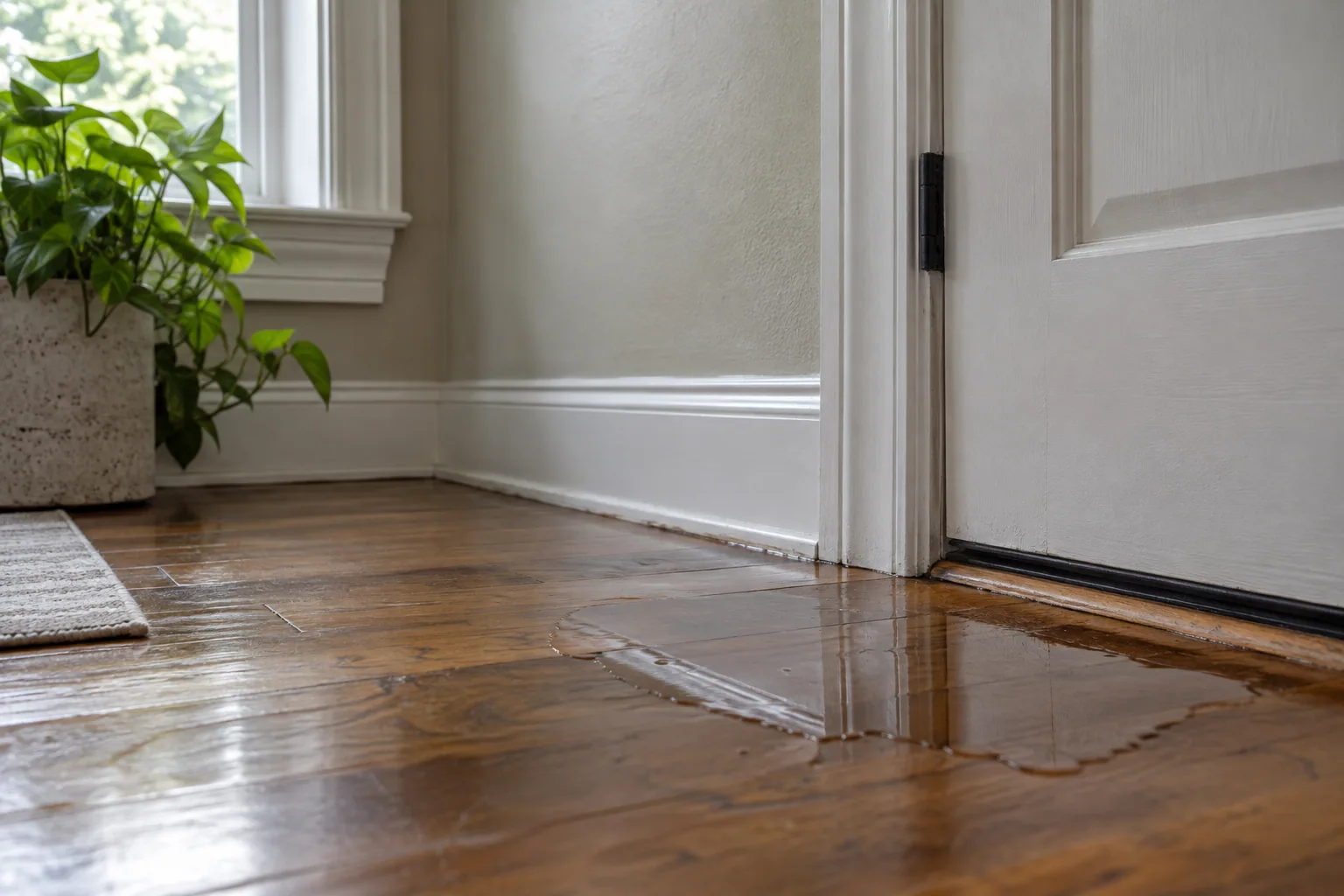
A ceiling leak needs a quick look from a dry, stable place before anyone walks into the room. Sagging plaster, water at a light fixture, a shifting floor or a submerged cord changes the response immediately. Keep the room clear and call the appropriate emergency service or qualified trade. Photograph the damage only if you can stay out from under it.
CDC advises against operating switches or electrical equipment while standing in water. If reaching the panel means crossing a wet area, leave that work to an electrician or utility responder. After a substantial flood, follow local instructions about entering the building. A stopped leak does not establish that a wet electrical circuit or ceiling is safe.
Separate source control from damage repair
A reachable appliance shutoff may stop a supply leak. Rain through a roof needs a roofer or other qualified building professional; water rising through a basement drain calls for a different investigation. Tell the first person you contact what is happening now, where the water appears and whether anyone has already isolated a supply. Do not climb onto a wet roof or open a damaged wall to find the source.
Two jobs often follow: fixing the cause and addressing the wet building. A plumber can repair a connection without determining whether insulation behind the cabinet is dry. A restoration contractor can remove water without repairing faulty flashing. Ask each provider to state what their visit covers, what remains unresolved and who will handle the next step.
Describe the water without guessing its safety
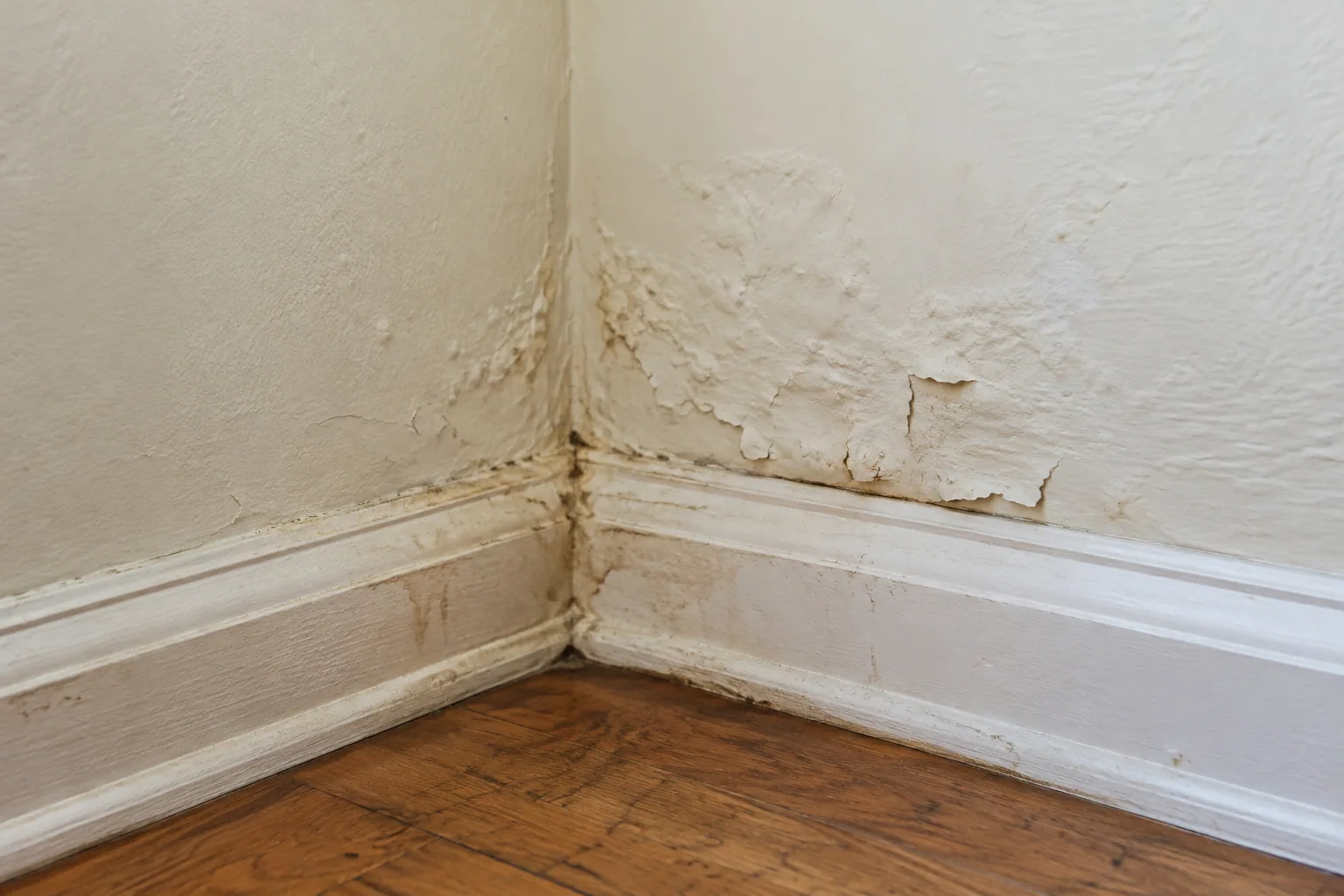
Record the apparent source, the time you discovered it and the last time the room looked normal. Water from an overflowing drain, outdoor floodwater and water from a broken supply pipe require different cleanup decisions. Appearance is a poor shortcut: clear water can have passed through dirty building cavities, and a faint stain may come from an event that began much earlier.
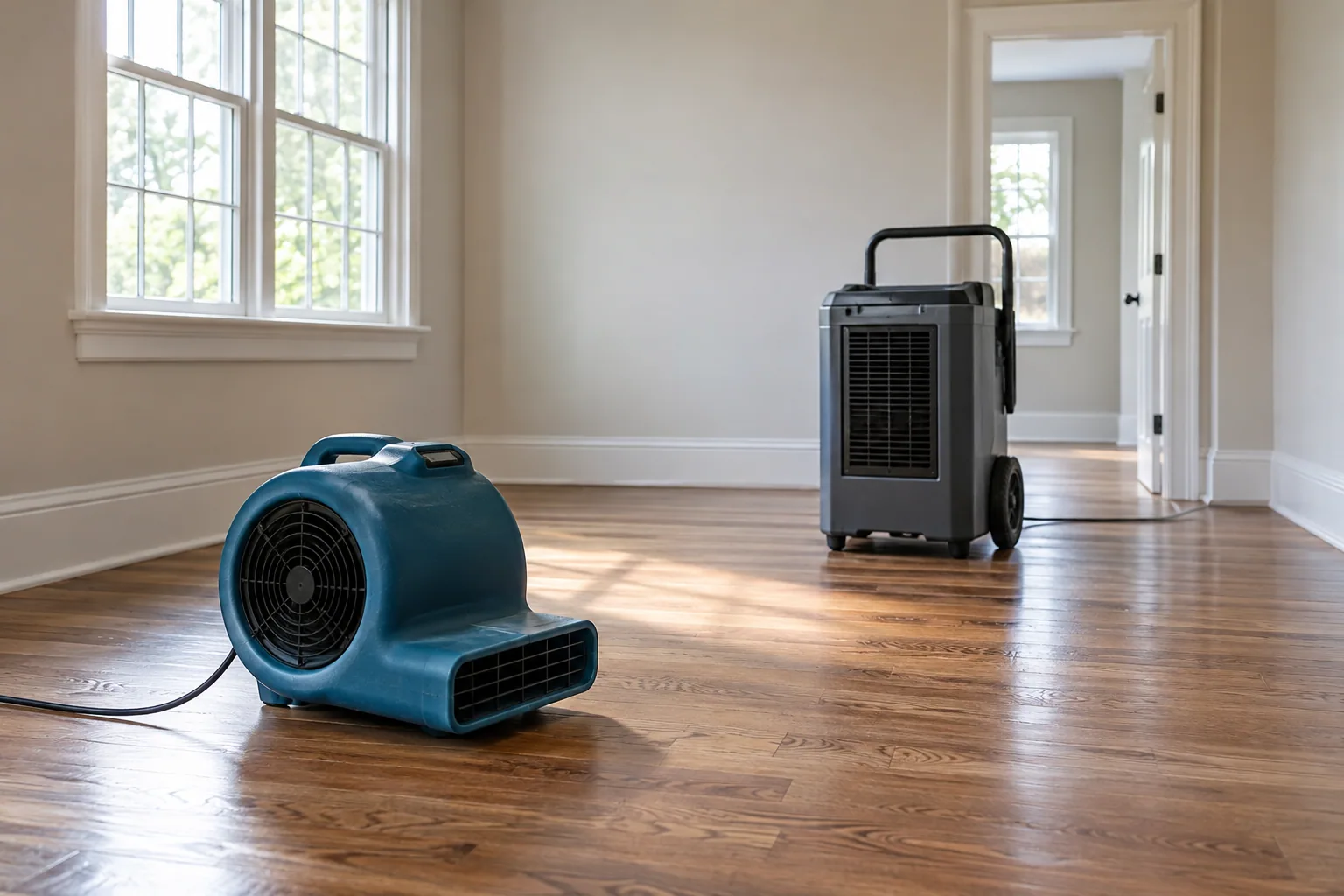
Do not start blowing air across a contaminated area simply because equipment is available. EPA's clean-water response table specifically cautions against using fans before the water is known to be sanitary. Tell the cleanup company about sewage, outdoor runoff, unusual odors and any cleaning chemicals already applied. That information helps them plan containment, removal and protection for occupied rooms.
Follow the path into neighboring spaces
The visible edge of a puddle is a starting point for inspection. Water can reach the underside of a floor, the back of trim, a wall cavity or the ceiling below. In a triple-decker, write down which apartment sits above and below the affected room. In a finished basement, note whether water touched carpet, storage closets or the framed wall beside the foundation.
Create a simple room list with three headings: visibly wet, possibly affected and apparently unaffected. Keep uncertainty visible. You do not need to diagnose a hidden cavity yourself; the list helps the professional choose inspection points and explain which areas they ruled out. Ask whether closets, adjacent rooms and lower levels were actually checked rather than assuming they were included.
| Observation | Useful next contact | Question to resolve |
|---|---|---|
| Active supply-pipe leak | Plumber or building manager | Has the source been isolated and repaired? |
| Wet ceiling below another unit | Manager and qualified inspection team | Which connected spaces need access? |
| Water from a floor drain | Plumber, sewer authority and cleanup specialist | Is the source continuing and is contamination present? |
| Rain entering around the roof | Qualified roof professional | What safe temporary protection is needed? |
Make a record that someone else can understand
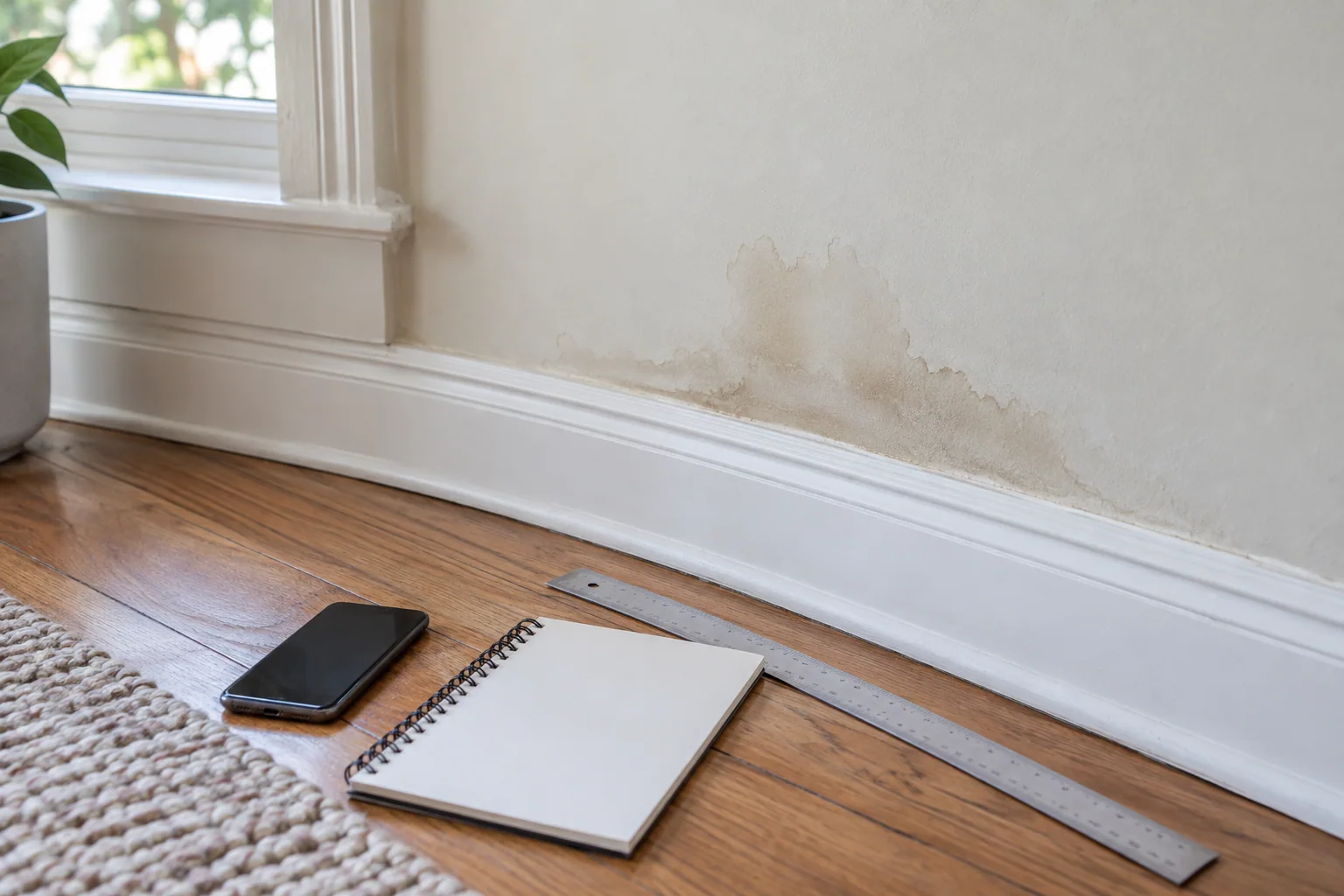
Take a wide room photograph, then closer views that show the damaged material and its position. Add the date, room name and a short factual note. Keep original files rather than saving only annotated screenshots. If water is still moving, a brief video from a safe spot may help explain what a still image misses. Do not stage damage or describe an unconfirmed cause as established fact.
Notify your insurer promptly and ask what documentation, inspection and disposal procedures they want. Record the claim number and the person you spoke with. Massachusetts insurance guidance distinguishes flood coverage from standard homeowners coverage, so avoid assuming that every water event has the same treatment. Preserve receipts and written authorizations, and ask the insurer to explain the coverage applicable to your actual event.
Ask for a drying plan, not just equipment
A useful plan identifies wet materials, access needs, items that cannot reasonably remain and the measurements that will guide drying. Ask how the team will check a layered floor or insulated wall. Equipment quantity by itself tells you little about whether the hidden area has been reached. You should be able to understand why a machine is in a room and what change the contractor expects to measure.
EPA encourages prompt drying after leaks; its 24-to-48-hour guidance is a prevention target, not a promise that a whole building will be restored within that window. Material thickness, access, contamination and continuing leakage can alter the work. Ask when the team will reassess the plan and what would cause them to change it instead of accepting a fixed completion date before inspection.
Keep the handoff to repairs explicit
Drying, cleaning and rebuilding are separate milestones. Before new drywall or flooring conceals the work, request a written description of what was inspected, removed, dried and left in place. Ask for the remaining limitations as well: an inaccessible cavity, a pending plumbing repair or a material awaiting specialist review should not disappear from the record when equipment leaves.
Plan one final walk-through with the person coordinating the repair. Match the room list to the scope, photograph exposed conditions when safe and identify who will replace trim, finishes and fixtures. If you live in a condo, include the manager in decisions involving shared assemblies. This handoff is where a small missing task can otherwise become a second disruption weeks later.
Your field checklist
- Keep people clear of wet electrical components and sagging ceilings.
- Record the suspected source and discovery time without guessing.
- Arrange both source repair and assessment of affected materials.
- Photograph rooms and contents from safe positions.
- Notify the insurer and building manager where applicable.
- Request inspection findings and drying completion records before rebuilding.
A few common questions
Should I wait for an insurance adjuster before calling for help?
Contact the insurer promptly and ask about urgent mitigation and documentation. Do not leave an active hazard unresolved while waiting for a routine appointment. Keep records of emergency actions, authorizations and costs; the insurer determines how the policy applies.
Does a dry surface mean the wall is ready to paint?
No. The finish may dry before the cavity or backing. Ask the contractor how the assembly was checked and whether the source repair is complete before covering stains or closing openings.
Who should coordinate a leak in a rental?
Notify the landlord or property manager immediately and report safety concerns clearly. Keep your own record of affected belongings and access arrangements. Contact your renters insurer about your policy rather than assuming the owner's building policy covers your possessions.
Sources & further reading
- Safety Guidelines: Reentering Your Flooded HomeCenters for Disease Control and Prevention
- Water Damage: Cleanup and Mold PreventionU.S. Environmental Protection Agency
- Is My Flood Damage Covered?Massachusetts Division of Insurance
This guide supports informed conversations about your home. Conditions, materials and local requirements vary; an on-site assessment is necessary for decisions about a particular property.