The useful starting point
Have utilities and access assessed before entering a flooded basement. Once safe, inspect the full floor-and-wall assembly rather than only the waterline. The plan should address contamination, concealed cavities, affected contents and the source of entry. Rebuilding should wait until the relevant cleanup, drying and repair conditions have been verified.
The first inspection may belong to utility professionals
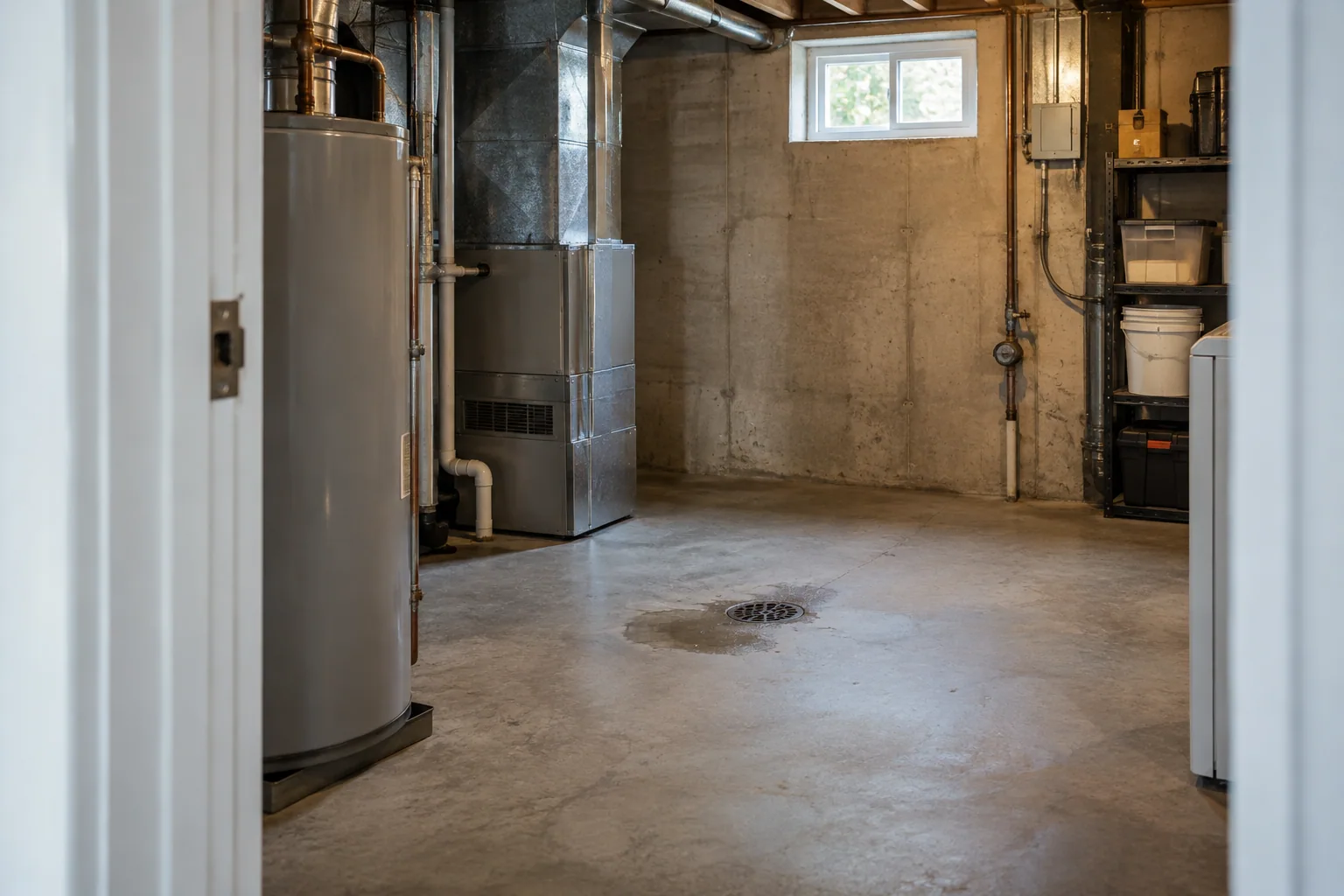
Before inspecting damaged furniture, establish whether you can enter the basement. Water near outlets or heating equipment may require qualified electrical or mechanical assessment. Stay out if reaching the room means crossing water near electrical equipment, and follow emergency instructions after a substantial flood. A lower water level does not establish that a submerged appliance or circuit is safe to restart.
Report unusual fuel or gas odors from a safe location and leave the area when a leak is suspected. Do not attempt to restart affected equipment yourself. Tell the inspection team what utilities sit in the basement and whether they were reached by water. That information helps separate the building cleanup from the mechanical and electrical work needed before ordinary use can resume.
Record the entry route and the highest observed level
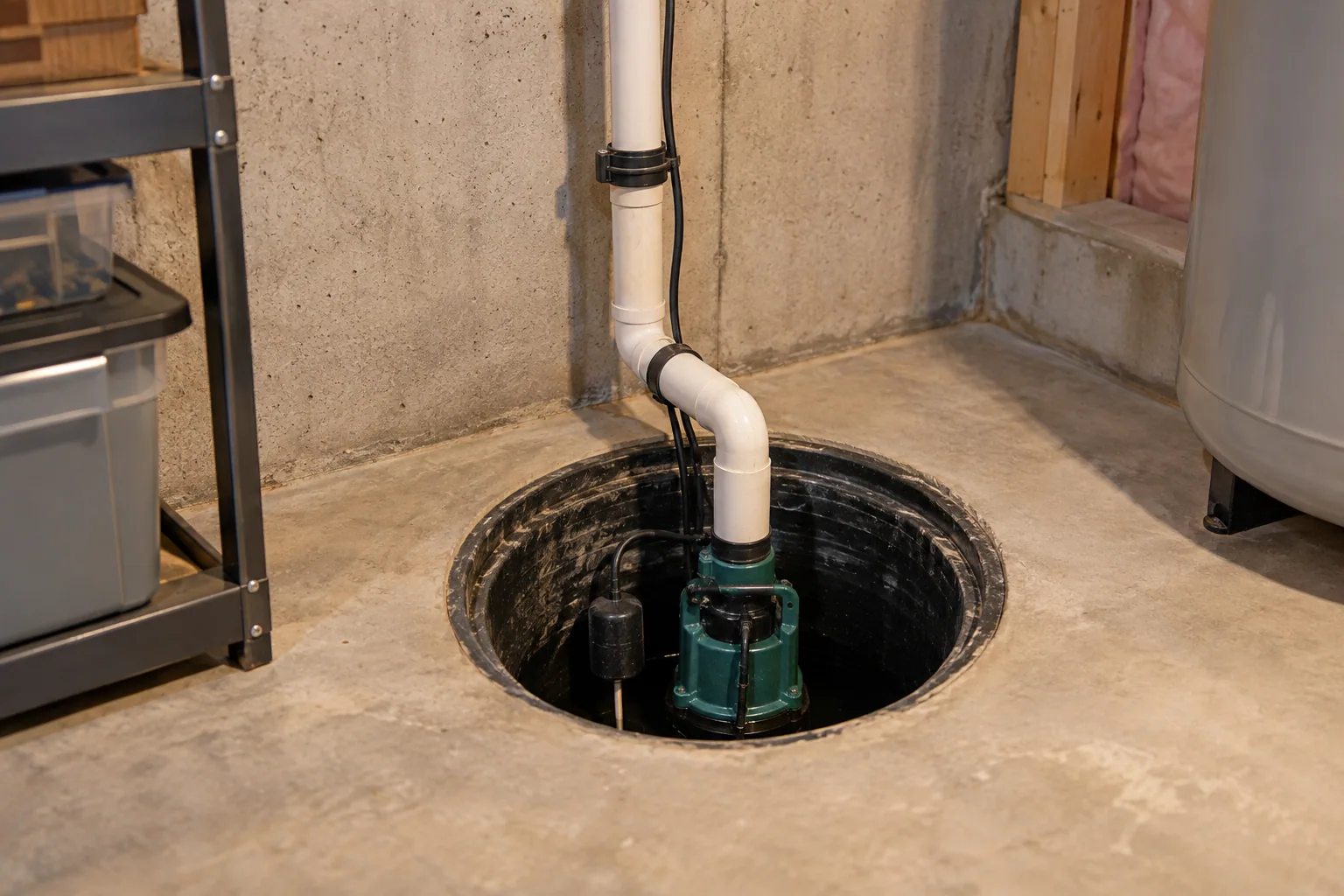
A basement can receive outdoor runoff, groundwater, a plumbing release or sewage. Ask the responsible trade to determine the source rather than assuming every storm-related event is foundation seepage. Photograph the visible waterline and entry points if access is safe. Note when water was first observed and whether it rose, remained steady or receded before help arrived.
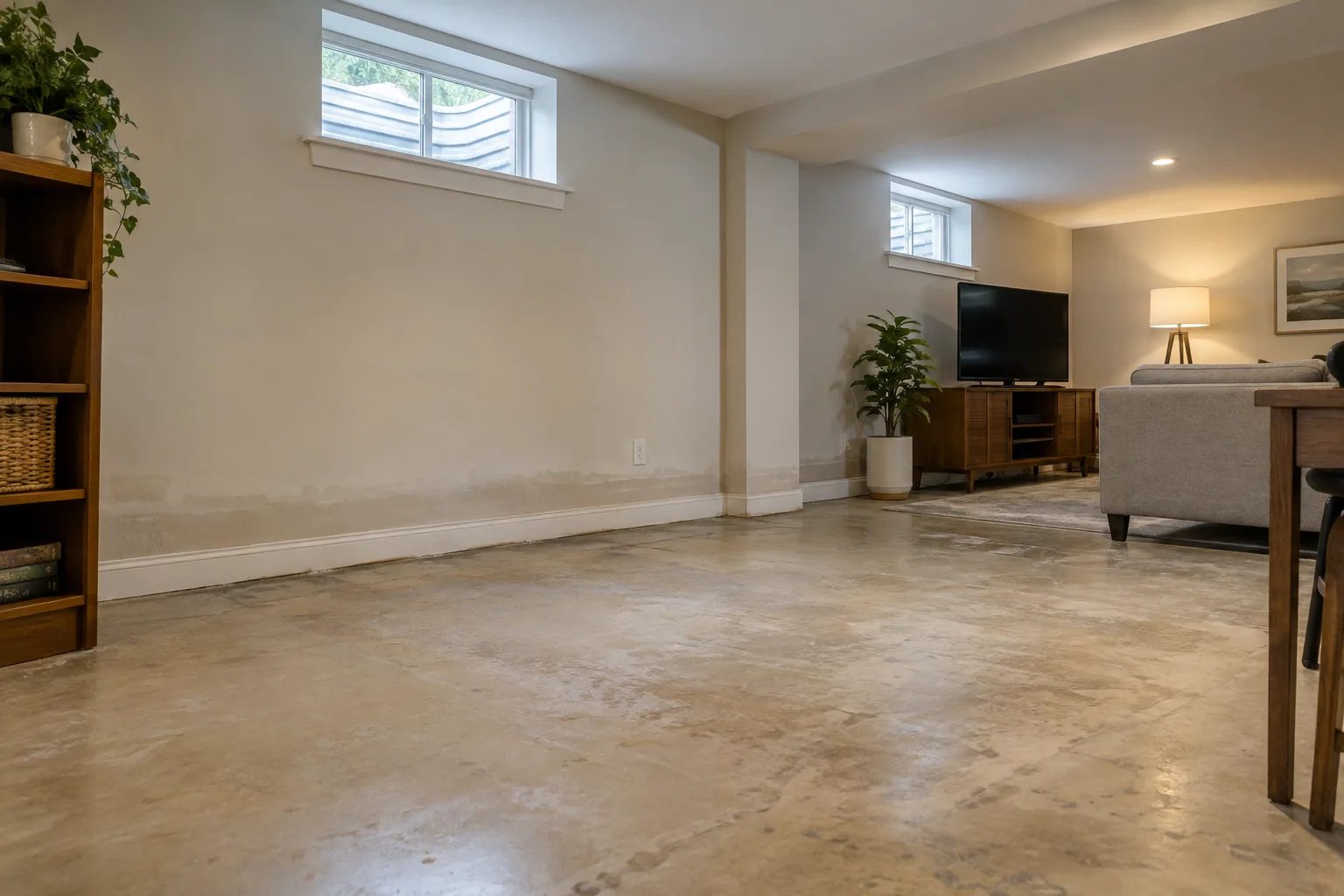
Use the waterline as evidence, not a precise demolition boundary. Materials can wick moisture and water can move behind finishes. A professional should assess the actual affected assembly. Ask the contractor to distinguish observations from assumptions and to update the scope if openings reveal a different condition. This helps avoid both unnecessary removal and concealed areas that never receive attention.
Read the finished wall as a set of layers
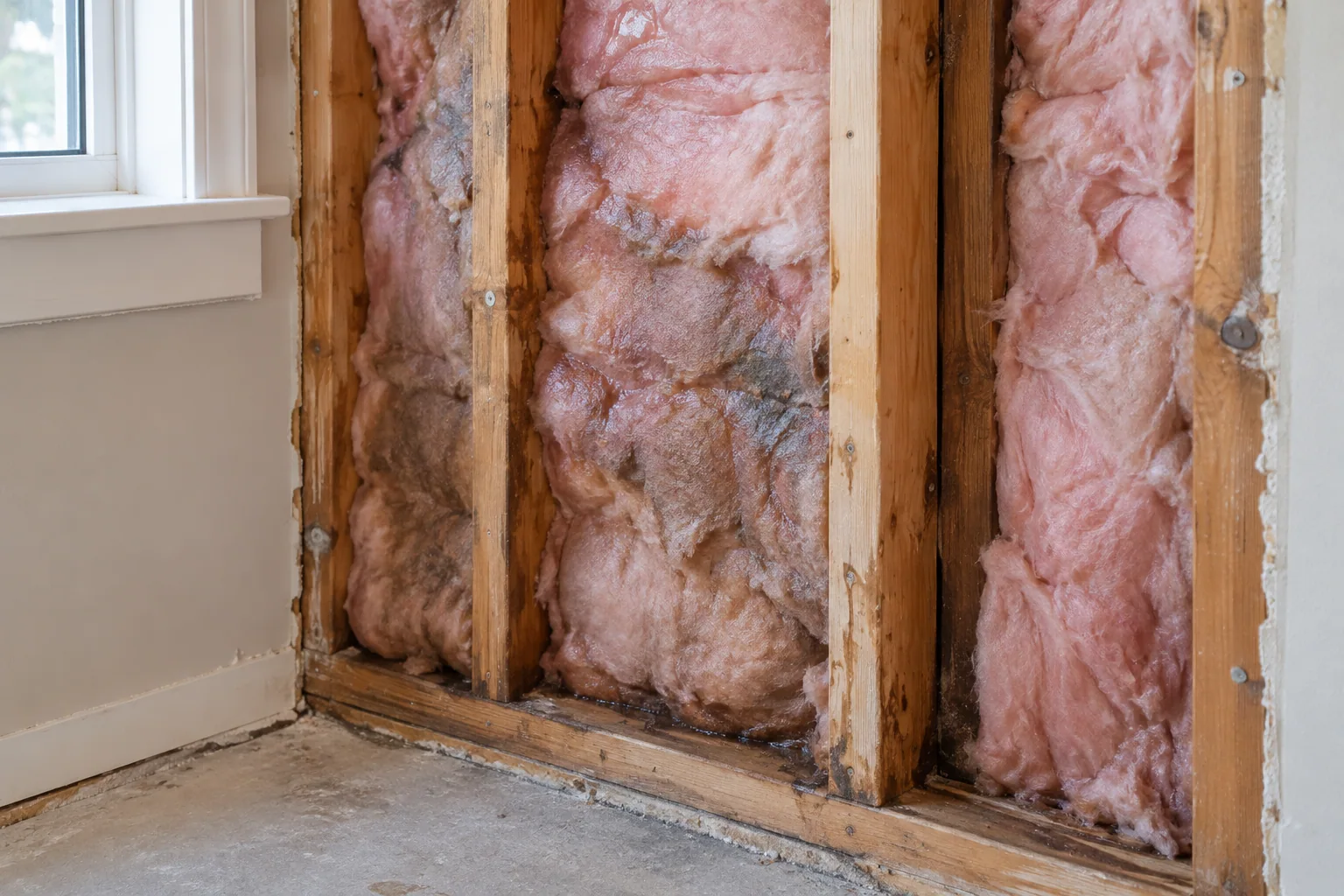
The painted wall may stand in front of framing, insulation and the foundation. There may also be a gap that is difficult to inspect from the room. Ask how the team will evaluate each relevant layer and what access is needed. A clean-looking face cannot answer whether water reached the back of wallboard or material stored inside an adjoining closet.
In older houses, prior owners may have finished the basement in stages. One room may use different wall construction from the next. Identify those transitions in the inspection record. A single standardized opening around the entire basement should have a stated reason, just as a decision to leave all walls closed should have evidence supporting it.
| Assembly | Places to include | Question before rebuilding |
|---|---|---|
| Framed walls | Bases, cavities, insulation and backing | Was the affected depth inspected and addressed? |
| Floors | Finish, pad or underlayment and substrate | Which layers remain and how were they assessed? |
| Built-ins | Cabinet bases, backs and enclosed voids | Can retained components be cleaned and verified? |
| Utilities | Affected electrical and mechanical components | Which qualified trade has cleared the equipment? |
| Storage | Low shelves, closed boxes and soft contents | Is there a documented disposition for affected items? |
Flooring can hide the slowest part of the work
A carpet surface, a floating plank floor and tile over a substrate create different inspection and removal questions. Ask the team to identify every relevant layer. The visible finish may not be the part that determines the scope. A pad or underlayment that cannot remain can require lifting an otherwise recognizable surface to reach the material below.
Do not assume a concrete slab needs no attention because it is hard. The contractor still needs to address contamination where present and determine conditions appropriate for the proposed replacement floor. Ask the installer which substrate checks the new product requires. The restoration team's completion record and the flooring manufacturer's installation requirements have related but different purposes.
Keep contents decisions visible
List furniture, textiles, books and stored possessions by location. Ask the cleanup company to document what it removes and whether each item will be cleaned, stored or discarded. Photographs should connect the item to its condition and room. Avoid a pile of unlabeled belongings that later becomes difficult to match with an inventory or a cleaning invoice.
Contaminated water creates special limits for absorbent materials. Get professional advice before trying to salvage sewage-affected furnishings. Keep questionable items out of occupied rooms and follow the cleanup team's handling plan. Notify the insurer about documentation and disposal procedures, but do not turn a need for records into a reason to store contaminated material indefinitely inside the home.
Include small storage rooms and the space beneath the stairs in the inventory. These areas are easy to miss when the main room takes attention, and a closed box may hide its exposure. Label each storage area on the room sketch so the contents list and building inspection use the same locations.
Do not close the basement on the painting schedule
EPA's flood-cleanup guidance warns against sealing flooded cavities before the materials are dry internally. Ask for a pre-closure review that covers source control, material removal, cleaning and relevant moisture findings. Include any required utility or building inspections. An equipment pickup, a dry surface and a clean smell are each narrower observations than a full decision to rebuild.
If a wall remains inaccessible or the entry route is unresolved, record the limitation and the next action. Ask who owns that action and when it will be reviewed. A clear outstanding-items list is more useful than an optimistic completion statement followed by a new coat of paint. Repairs should make the condition understandable before it becomes hidden again.
Rebuild around the basement's actual risk
Use the source investigation to decide what changes are justified. Exterior runoff, a failed pump and a sewer backup need different prevention measures. Ask qualified contractors about the relevant drainage, plumbing and building details, and confirm local requirements before altering them. Selecting a different finish alone does not fix an entry route that remains active.
Review the use of the room as well as its materials. Keep important documents and irreplaceable possessions away from vulnerable floor-level storage. Preserve access to shutoffs, service equipment and inspection points. If the basement will return to sleeping or regular living use, discuss any applicable occupancy and permit questions with the local building department as part of the repair planning.
Your field checklist
- Obtain safe-access and utility guidance before entering.
- Record the source investigation and observed waterline.
- Inspect wall and floor layers beyond visible finishes.
- Keep an inventory of removed and retained contents.
- Review cleanup and moisture evidence before closure.
- Tie prevention and rebuilding choices to the confirmed source.
A few common questions
Should wallboard be cut to a standard height?
Ask the contractor to justify the removal boundary from the actual exposure, material and concealed conditions. A visible waterline or standard cut height alone does not establish how far moisture or contamination traveled.
Can the heating system help dry the room?
Have affected mechanical systems assessed before operating them. Flooded or potentially contaminated equipment needs qualified attention, and the drying contractor should explain how the planned environment will be maintained safely.
Is a flood-resistant finish enough to prevent another loss?
No finish stops every source of water. Choose materials as part of a broader plan that addresses entry, drainage, utilities and storage. Ask the installer what exposure the product is designed for and what lies beneath it.
Sources & further reading
- During a FloodNational Weather Service
- Flood Cleanup to Protect Indoor Air and Your HealthU.S. Environmental Protection Agency
- Flooding and Sewage Back-ups: Home Care GuideMassachusetts Department of Environmental Protection
- Minimize Flood DamageNational Flood Insurance Program
This guide supports informed conversations about your home. Conditions, materials and local requirements vary; an on-site assessment is necessary for decisions about a particular property.