The useful starting point
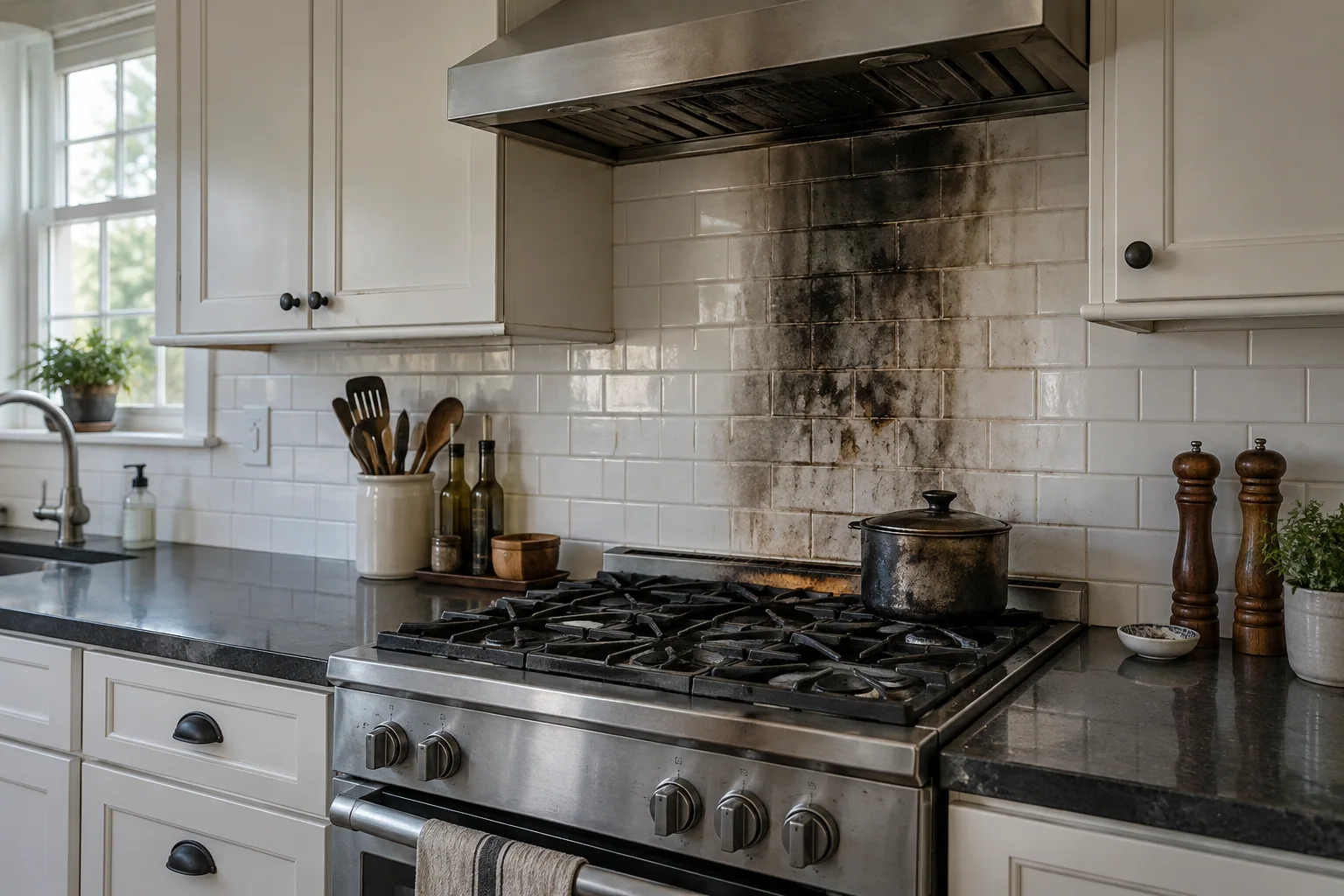
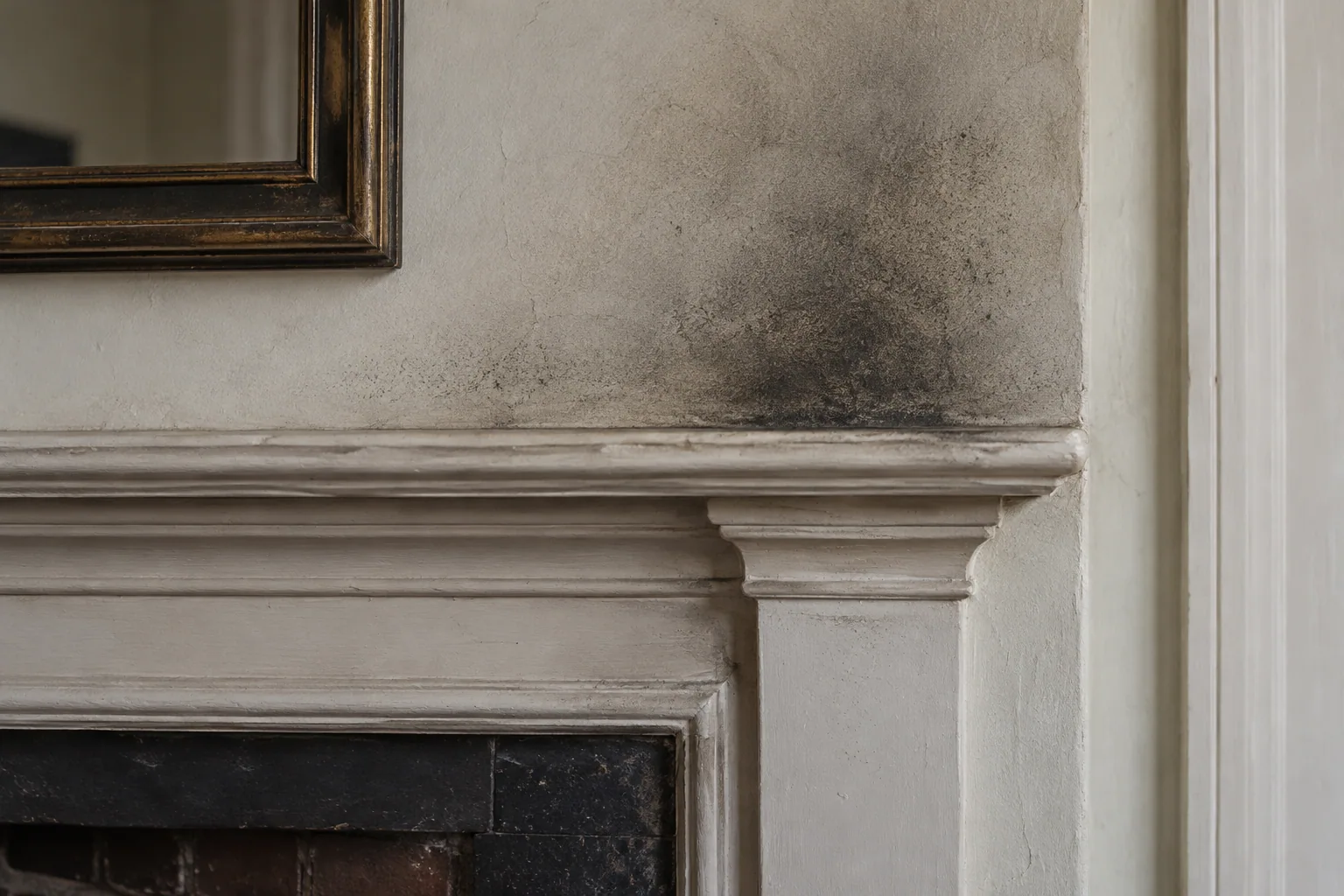
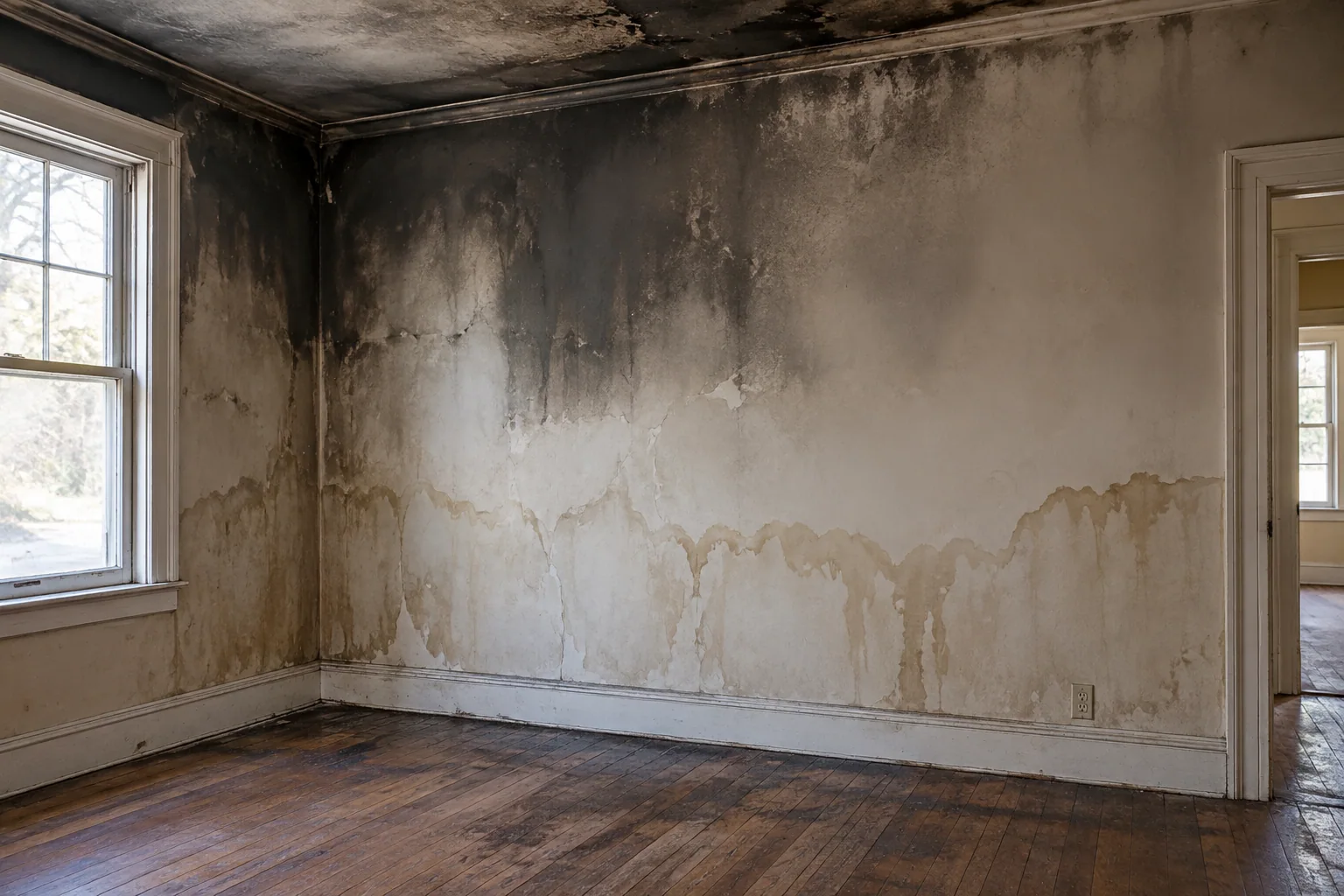
Wait for fire officials to permit entry and follow utility restrictions. Arrange a coordinated assessment of fire, smoke and water damage, including lower floors and concealed assemblies. Water removal, contamination cleanup, drying and reconstruction need a shared plan; a dry-looking room is not enough evidence that the property is ready to occupy.
Permission to enter comes before salvage
Wait for the fire department to permit entry. USFA warns that walls and floors may be unsafe after a fire and that residents should not restore disconnected utilities themselves. Follow the restrictions for your particular building. Permission to retrieve an item or make a limited visit does not necessarily mean that every room is ready for ordinary use.
Ask who is coordinating access and which areas remain off limits. If you need medication, documents or another essential item, explain that need to the responsible responder rather than entering independently. Keep pets and unnecessary visitors away. A phone photograph taken from outside can wait; no possession justifies stepping beneath a compromised ceiling or onto a floor whose condition has not been established.
Map the wet area beyond the burned room
Water used during firefighting can reach areas that were not visibly burned. Ask the restoration team to include the rooms below and beside the fire area and any connected cavities. A first-floor room may have modest smoke staining while the basement below contains wet stored belongings. The inspection should account for the path of the water rather than only the boundary of visible soot.
Firefighters may also have opened roofs, windows or walls during their work. USFA explains that such openings can be part of extinguishing the fire and checking for hidden burning. Ask qualified professionals what temporary weather protection is needed now. Do not climb onto the roof or close openings yourself where structural condition, investigation needs or safe access remains uncertain.
Do not classify the water by its original supply
Even when firefighting water began in a clean supply, the conditions it encountered inside the building matter. USFA cautions that soot and dirty water left after a fire can contain harmful substances. Tell the contractor about stored chemicals or other materials that may have been involved, and leave assessment and handling to people equipped for the actual scene.
Ask how the team will coordinate water extraction with debris and residue cleanup. Aggressive air movement should not begin simply because the floor is wet if it could spread affected dust into cleaner areas. The plan should identify protection for adjoining rooms and occupants, the sequence of removal and cleaning, and the point at which drying equipment can operate appropriately.
Separate the damage into decisions, not contractors' silos
A single wall may need structural assessment, residue cleanup, drying and a finish repair. If separate companies handle those tasks, ask for one coordinator and a shared scope. Each provider should know what must happen before its work begins and what record it must leave for the next trade. Otherwise a painter may arrive before a concealed wet area has been evaluated.
Use a room schedule to record what remains unresolved. Do not ask a drying technician to approve fire-damaged framing outside their qualifications or an appliance repairer to clear the entire room for occupancy. The task is to assemble the necessary judgments and make their boundaries visible. That is more reliable than a general statement that the restoration company is taking care of everything.
| Decision | Appropriate evidence | Before the next step |
|---|---|---|
| Safe access and utilities | Instructions from responders and qualified trades | Respect all remaining restrictions |
| Affected area | Room and assembly inspection | Include connected lower and adjacent spaces |
| Retention of materials | Condition and contamination assessment | Explain what stays and what leaves |
| Drying completion | Relevant material findings and limitations | Give records to rebuilding trades |
| Return to occupancy | Required official and professional clearances | Do not infer readiness from appearance alone |
Protect the contents record during urgent work
Contact the insurer promptly and ask about documentation, emergency measures and contents handling. Keep the fire incident information with the claim record. Ask for a photographed inventory before a pack-out where safe and feasible, with each item's destination and intended treatment. Items affected by both water and smoke may need a different assessment from items exposed only to one part of the event.
Do not move wet, soot-covered possessions into a clean room to sort them yourself. Ask the contents specialist how items will be separated, labeled and assessed. Record sentimental or unusual objects early so the team can discuss appropriate conservation help. Preserve receipts and written scopes, and clarify who authorizes cleaning or disposal rather than assuming the insurer and contractor have already agreed.
Drying must fit the remaining building
The contractor should explain which sound materials can remain and how their moisture will be evaluated. A fire-damaged area may have missing finishes, restricted power and temporary weather protection, all of which affect the plan. Ask how those conditions are being managed and what would trigger a change. A fixed completion date offered before the building is assessed has little practical value.
Older houses may expose previously concealed paint, insulation or flooring during fire recovery. EPA advises seeking qualified help when suspected lead or asbestos materials have been damaged or will be disturbed. Ask how the cleanup team will coordinate that assessment with urgent protection and drying. Do not collect samples or sweep unknown debris to help the work move faster.
Keep closure and occupancy as separate milestones
Before rebuilding conceals the work, obtain the relevant source, cleanup, moisture and trade-inspection records. Ask what materials remain, what was removed and which areas could not be fully assessed. The new wall or floor should not hide an unresolved question about damaged framing, contamination or a wet layer. A brief meeting among the responsible trades can settle those issues before finishing begins.
Returning to live in the property may involve additional decisions about utilities, air-handling equipment, access and official requirements. Ask the responsible officials and contractors what applies to your home. Keep a written list of remaining work even if one room looks complete. A finished-looking interior and a formal decision that the home is ready for normal use are different milestones in recovery.
Your field checklist
- Follow fire-department access instructions and utility restrictions.
- Inspect lower floors, adjacent rooms and connected cavities.
- Coordinate temporary weather protection with qualified professionals.
- Use a combined plan for debris, residue, water and drying.
- Track contents with photographs and written disposition records.
- Verify repair prerequisites and occupancy requirements separately.
A few common questions
Can I start household fans as soon as the fire is out?
Do not enter or operate equipment until access and electrical conditions are cleared. The cleanup team should also assess soot, debris and contamination before choosing air movement. Ordinary fans are not a substitute for a coordinated recovery plan.
Why inspect a basement that did not burn?
Water and debris can reach lower spaces while the visible fire damage remains above. Ask the team to trace the actual path and assess affected materials and utilities below, rather than limiting the inspection to burned finishes.
Is the home ready when smoke odor is no longer noticeable?
Odor alone cannot establish structural, electrical or cleanup readiness. Follow official instructions and obtain the relevant professional findings. Ask which conditions remain unresolved before treating any area as ready for normal occupancy.
Sources & further reading
- After the FireU.S. Fire Administration
- Dealing with Debris and Damaged BuildingsU.S. Environmental Protection Agency
- Safe and Sound: Post-Disaster Claims GuideMassachusetts Division of Insurance
This guide supports informed conversations about your home. Conditions, materials and local requirements vary; an on-site assessment is necessary for decisions about a particular property.