The useful starting point
Structural drying should follow an inspection of the affected building, with a plan for contamination, material removal and moisture measurements. Equipment supports that plan. Completion depends on documented conditions in the relevant materials and assemblies, not on a fixed number of rental days or whether the room feels dry.
The first visit should define the wet assembly
The puddle tells a drying contractor where to start looking. It does not define the job. The first inspection should connect the source with the floor, wall, ceiling or cabinet it affected. Request a room sketch showing inspection points. Where several floor layers or enclosed framing are involved, have the technician explain how the hidden layers will be checked.
The source must also be controlled. If a roof still leaks or a drain continues to back up, equipment can run while new water enters the same area. Ask whether the team has confirmed a source repair or is working under temporary protection. A separate plumber, roofer or manager may own that part of the job, so record the handoff explicitly.
Removal and drying solve different problems
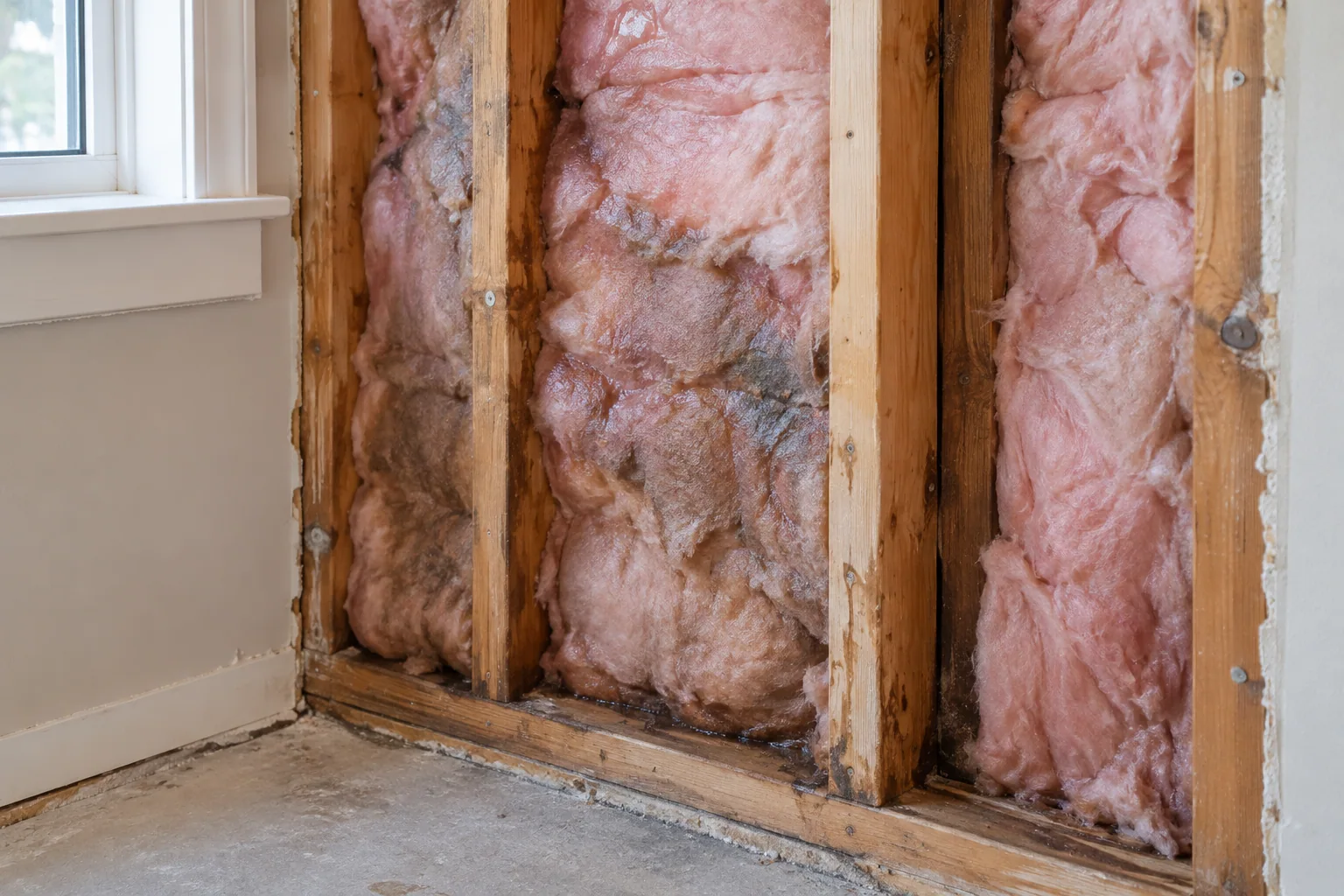
Some materials can remain while they dry; others may be damaged, contaminated or inaccessible in a way that makes retention impractical. A contractor should explain the decision by material and condition. A wet carpet pad, a sound timber and a delaminated cabinet side do not become equivalent just because they were in the same room. Ask for photographs before concealed material is discarded where safe and feasible.
Contaminated water changes the plan. Cleaning and removal may need to precede aggressive air movement, and ordinary drying does not establish that sewage-affected surfaces are acceptable to keep. Request the cleanup scope separately from the drying scope. This makes it easier to understand why a contractor is removing a material that could theoretically release its moisture but cannot reasonably be cleaned in place.
What the equipment is meant to do
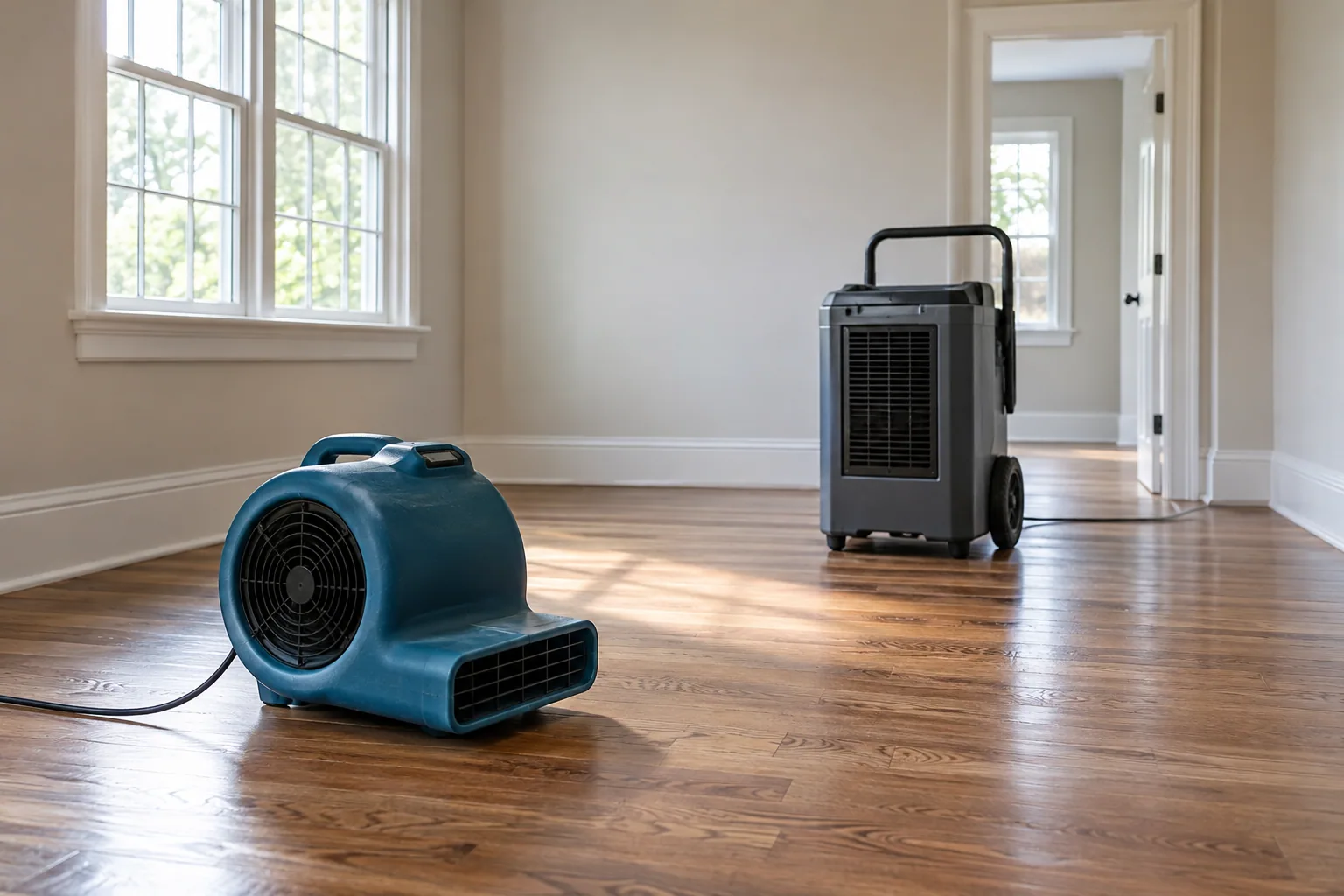
Air movers encourage evaporation at selected surfaces. Dehumidifiers remove moisture from the air so that evaporation can continue under controlled conditions. Other systems may direct air into or out of an assembly when the contractor determines that access and material condition permit it. The equipment mix should follow the wet area and its construction, rather than a standard package applied to every room.
Ask the technician to explain where condensate goes, which electrical circuits support the machines and what doors or windows should remain in a particular position. Do not rearrange equipment to make the room quieter without calling the contractor. Tell the team about a tripping circuit, a leaking drain hose or an equipment alarm immediately; those are operating problems, not details to save for the final invoice.
| Part of the work | Purpose | Useful homeowner question |
|---|---|---|
| Moisture mapping | Identify affected and comparison locations | Which hidden layers were checked? |
| Material removal | Address damage, contamination or blocked access | Why does this material need to come out? |
| Air movement and dehumidification | Manage evaporation and indoor moisture | How should the room be operated? |
| Repeat measurements | Check progress and revise the plan | Which locations are still above the agreed target? |
| Final documentation | Support the handoff to repairs | What remains unresolved? |
Read the log as a trend, not a score
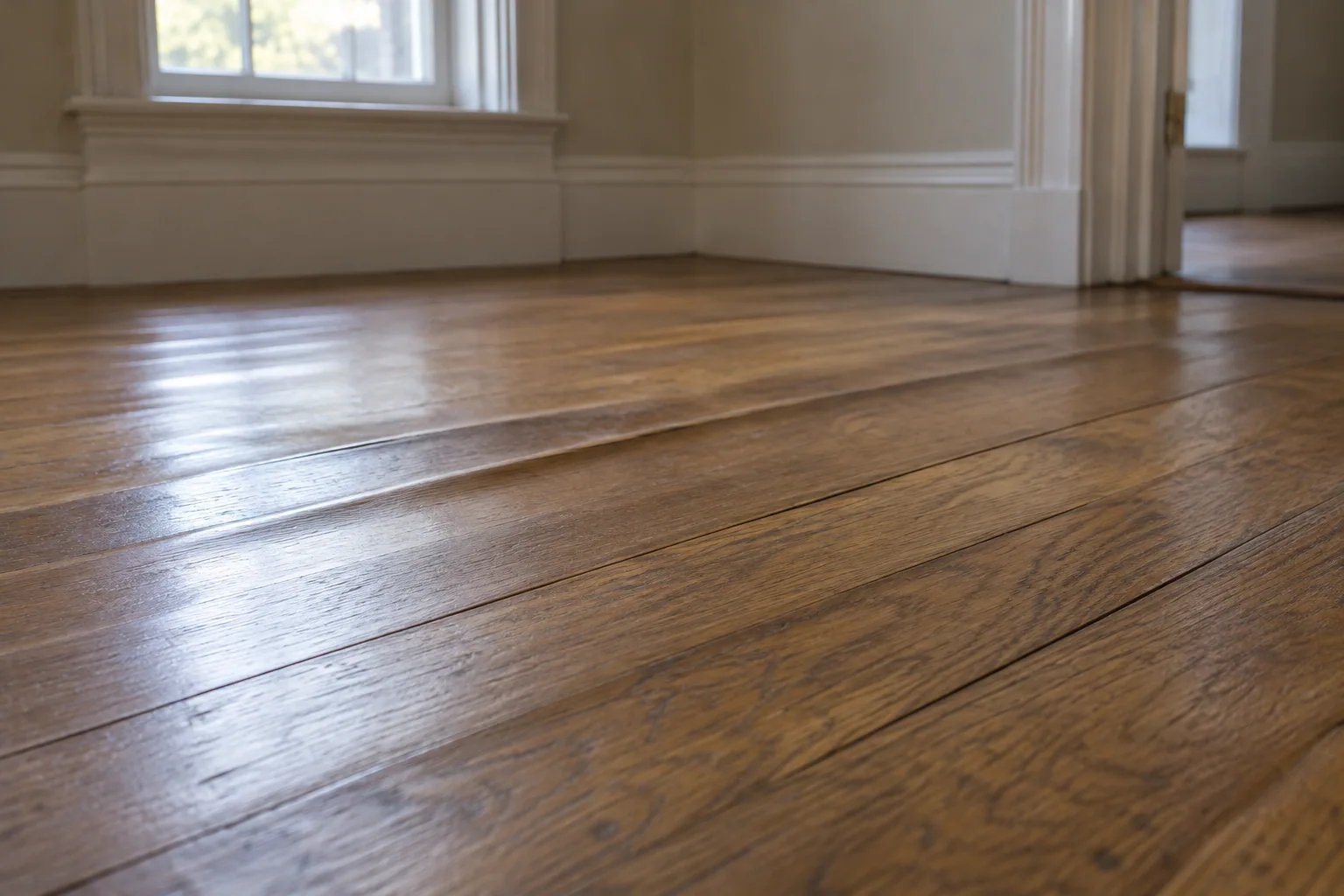
Ask for readings tied to repeatable locations: the same part of a floorboard, the same wall area and a stated comparison material. A number without a location, meter mode or material label is difficult to interpret later. The record should distinguish room-air measurements from readings in building materials. A comfortable humidity reading does not prove that an enclosed subfloor has reached the intended condition.
Different instruments and settings can produce different scales. Some readings represent a relative comparison rather than percentage moisture content. Ask the contractor to explain what a number means before comparing it with advice found online. The useful question is whether the relevant material is progressing toward an appropriate target using a consistent method, and what evidence supports that target for this building.
Why the work can change after it begins
An initially narrow wet area may reveal another affected layer once trim or flooring is opened. A reading may stop changing because the surface is dry while the deeper assembly remains wet, or because moisture continues to enter. These are reasons to reassess access, source control and the measurement method. They should produce an explanation, not simply another unexamined block of equipment rental.
Ask how changes will be authorized and priced. A useful update identifies the new finding, the proposed response and the effect on the next visit. Preserve the earlier scope so additions remain traceable. If the team proposes removing original plaster or a large section of hardwood, ask whether a relevant specialist can assess retention options without delaying work that is necessary for safety or contamination control.
What drying time can and cannot tell you
There is no single completion time for every leak. The amount of water, affected materials, access, weather control and cleanup needs all influence the sequence. EPA's prompt-drying guidance addresses prevention after water exposure; it is not a warranty that any wall assembly is ready to close after two days. Ask for an initial assessment and regular updates rather than a guarantee made before measurements exist.
Longer duration is not automatically proof of poor work, just as a short job is not automatically efficient. Evaluate the explanation and the record. What is still wet? Has progress slowed? Is the remaining work drying, cleaning, source repair or waiting for access? Breaking the delay into those categories makes the schedule understandable and helps identify who can resolve it.
The finish line is a documented handoff
Before equipment leaves, request the final inspection notes, relevant readings and a list of materials removed or retained. Ask whether the contractor inspected all agreed areas and whether inaccessible spaces remain. Any unresolved source or contamination concern should appear in the handoff. A brief report can still be useful if it names the rooms, methods, findings and limitations clearly.
Reconstruction should use this information alongside the requirements of the replacement materials. A floor installer may need additional substrate testing for a particular flooring system. A painter needs a sound, prepared surface, not merely a completed equipment rental. Arrange for the repair contractor to receive the drying record so the next trade can decide what it still needs to verify before closing the work.
Your field checklist
- Request a mapped list of affected assemblies and inspection points.
- Confirm that the leak source is controlled or protected.
- Understand removal decisions before authorizing the full scope.
- Ask how equipment operation and electrical loads will be managed.
- Review repeated material readings and any changes to the plan.
- Give the completion record to the contractor rebuilding the area.
A few common questions
Can I turn the machines off overnight?
Ask the contractor before changing the operating schedule. Explain sleep, noise or access problems so they can adjust the plan and document the effect. If equipment presents an immediate electrical or other hazard, keep clear and contact the responsible professional promptly.
Is an air scrubber the same as a dehumidifier?
No. Air filtration and moisture removal are different functions. Ask why each device is included in the scope, what conditions it addresses and how its use will be reviewed. The presence of one device does not establish that the other task is complete.
What if one corner remains wet?
The team should investigate the reason and explain its response. Possibilities include restricted access, another affected layer or an unresolved source. A persistent reading needs interpretation; it should not be dismissed merely because most of the room has dried.
Sources & further reading
- Flood Cleanup to Protect Indoor Air and Your HealthU.S. Environmental Protection Agency
- Water Damage: Cleanup and Mold PreventionU.S. Environmental Protection Agency
- Wet and Dry Moisture Meter ValuesFlir
This guide supports informed conversations about your home. Conditions, materials and local requirements vary; an on-site assessment is necessary for decisions about a particular property.