The useful starting point
Repeated bathroom growth calls for a moisture investigation, not increasingly aggressive cleaning. Track where it returns, check that the exhaust system works and reaches outdoors, and have leaks or damaged materials assessed. Keep surface maintenance separate from repairs to the shower, plumbing and wall assembly.
Use the location to frame the question
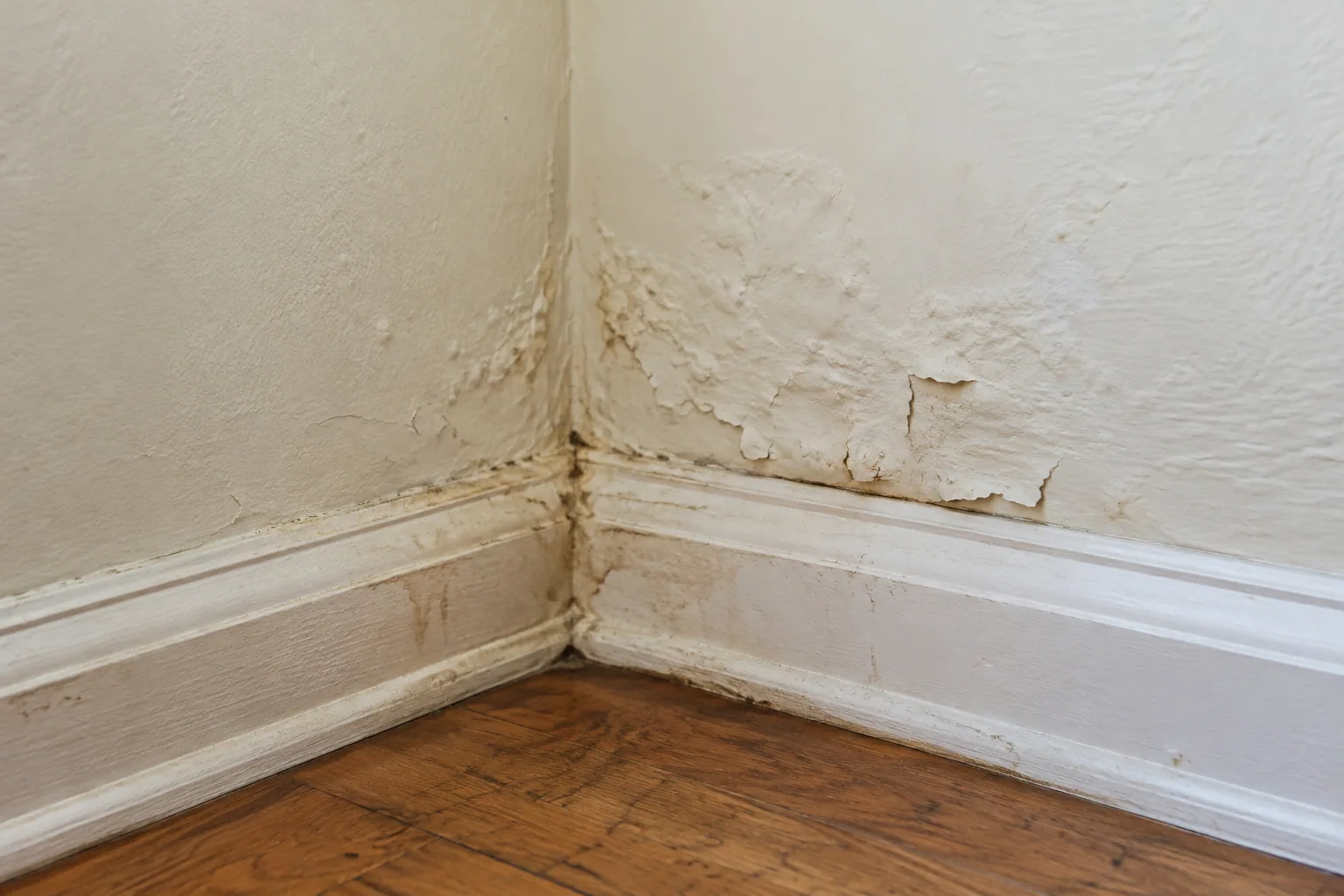
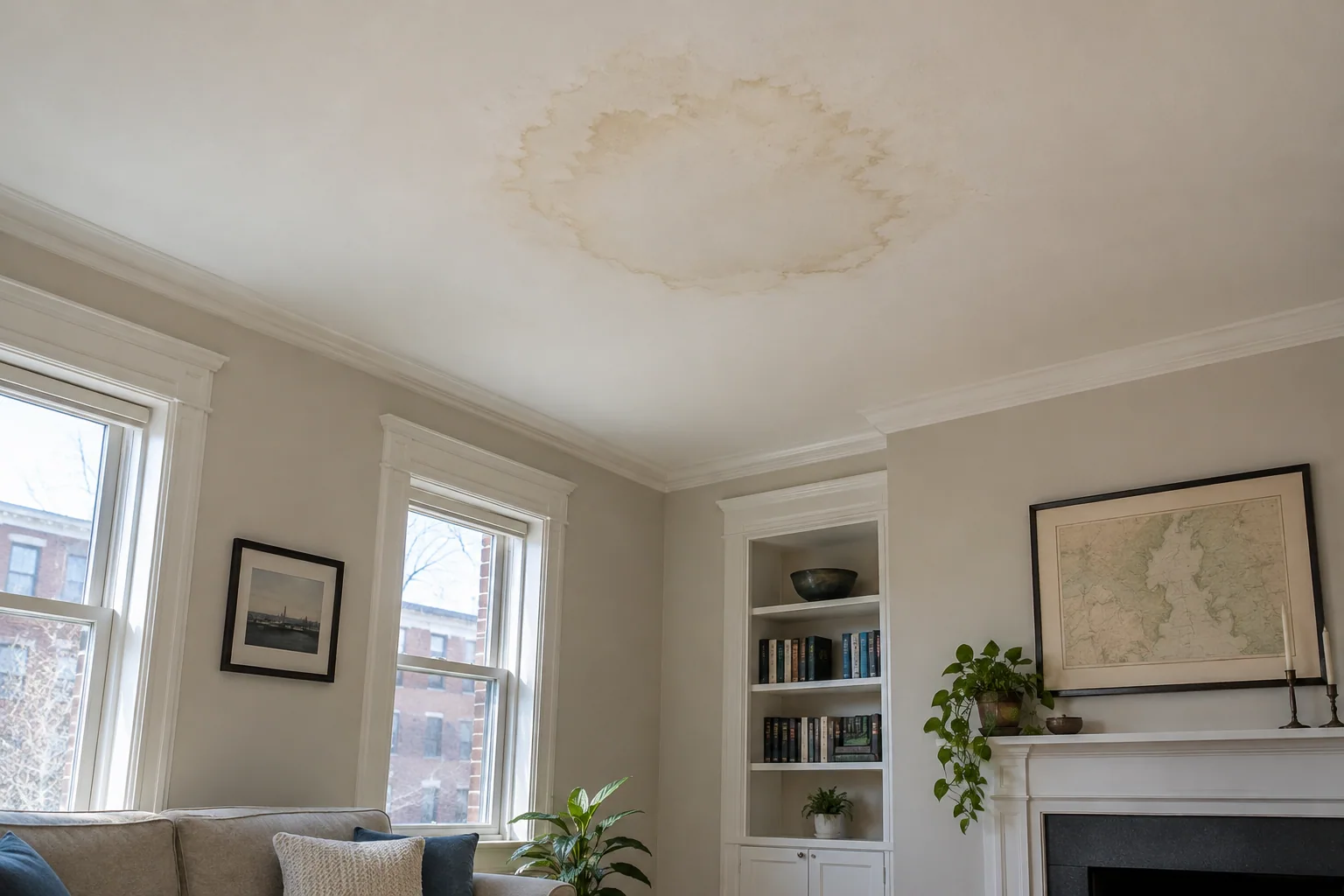
A spot at the bottom of a shower curtain has a different setting from discoloration on the ceiling below an upstairs bathroom. List every returning area and note the material: caulk, grout, painted plaster, wood trim or a cabinet bottom. That inventory gives a contractor something more useful than the statement that the bathroom has mold.
Photograph the area after cleaning and again when the mark returns, using the same position. Note the interval and the room's normal use. There is no need to let a patch grow for a better photograph: a short record of recurrence is enough to start a more focused investigation.
If the ceiling is bulging, plaster is loose or water is near electrical equipment, keep clear and arrange prompt professional attention. A cosmetic explanation should not delay investigation of an active building problem.
Check the exhaust route, not just the switch
A noisy fan is not proof that the room is being ventilated effectively. Tell the ventilation contractor whether the fan seems different from before, whether condensation persists and whether any remodeling changed the door or exhaust duct. Ask how performance will be assessed rather than relying on sound alone.
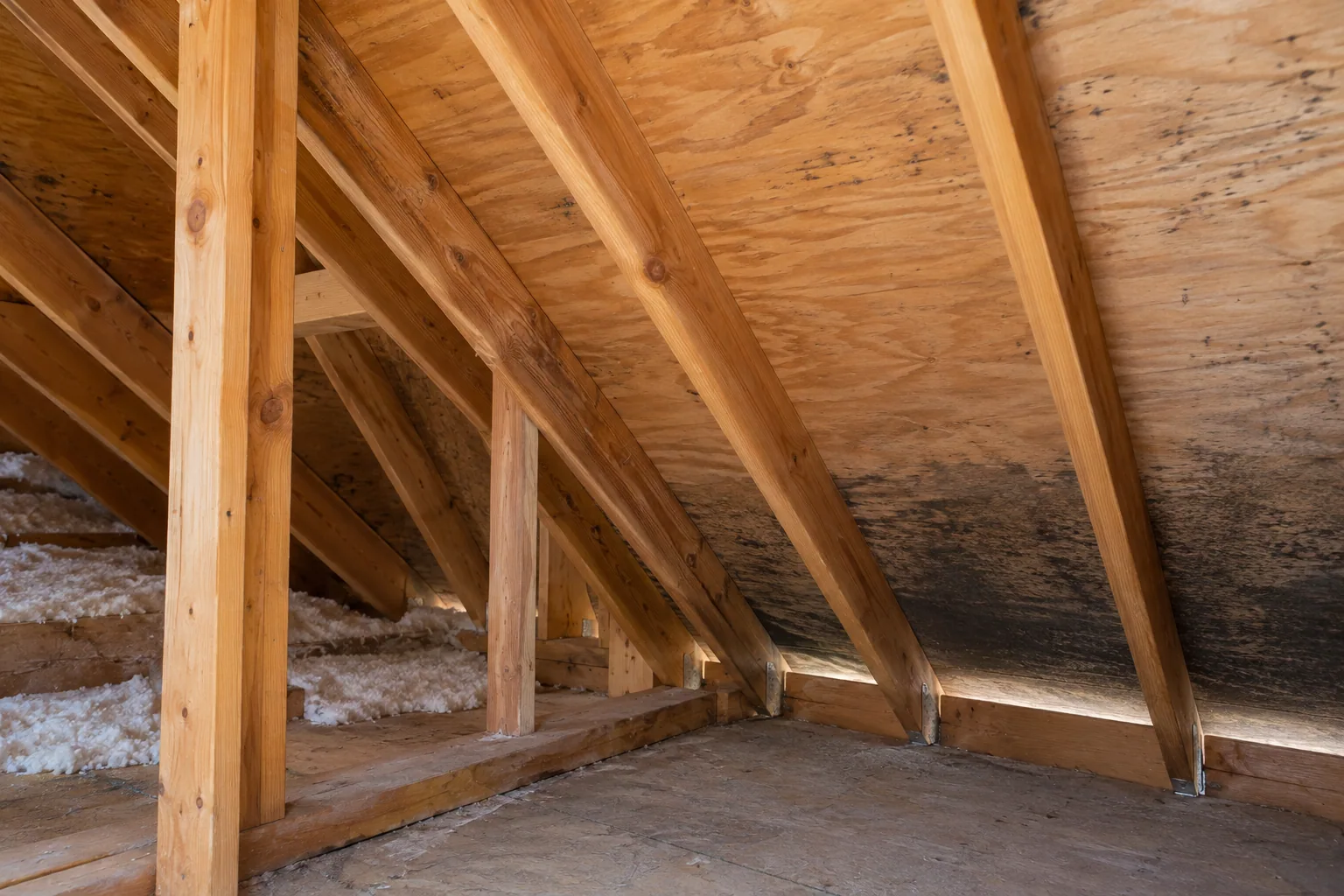
The Department of Energy advises routing bathroom exhaust outdoors. A duct that ends in an attic or other enclosed space moves moisture to another part of the house. Have a qualified person check the route, connections and termination, including whether the arrangement is suitable for that building.
Ask how the fan should be operated during normal use and what maintenance it needs. Controls should be understandable to everyone using the room. A timer can be convenient, but its setting should follow the equipment guidance and actual room conditions rather than a universal number copied from another home.
Distinguish room moisture from a concealed leak
Describe whether discoloration follows showers, rainfall or plumbing use elsewhere. Water outside the shower enclosure, changes in nearby trim, soft finishes or staining in the room below belong in the report. These observations can help a plumber or building professional plan the investigation.
Do not assume that replacing the visible caulk repairs every shower leak. The enclosure, penetrations, plumbing and concealed water-management layers have different roles. Ask the inspector to explain the suspected route and why the proposed repair addresses it.
Avoid repeated improvised water tests. Flooding an edge or spraying water into joints can worsen damage and may produce misleading results. If testing is needed, agree on a controlled professional method, the area to be observed and who will stop the test if leakage appears.
| Recurring location | Question to ask | Possible next professional |
|---|---|---|
| Ceiling or upper wall | Does moisture linger, and does exhaust reach outdoors? | Ventilation or building-performance contractor |
| Shower joint | Is this a surface-maintenance problem or a failed assembly detail? | Qualified bathroom repair contractor |
| Cabinet bottom | Are supply, drain or fixture connections leaking? | Plumber |
| Room below bathroom | Which plumbing or enclosure route has been assessed? | Plumber and building repair contractor |
Match cleaning to the surface
EPA's basic cleanup guidance distinguishes hard surfaces from porous materials that may be difficult to clean fully. It also advises against painting or caulking over moldy material. A cleaner-looking coating is not evidence that the underlying material was assessed.
Ask what can reasonably be cleaned, what remains cosmetically stained and what has lost its function. A replacement recommendation should identify the material and reason. Likewise, a promise to restore every porous surface with one spray needs a more detailed explanation.
Use any household cleaning product only as labeled and never combine cleaners. For a recurring or uncertain problem, especially one involving concealed material, professional assessment is a more useful next step than trying progressively stronger chemicals in a small room.
Make the repair boundary explicit
If work requires removing tile, trim or wallboard, ask for a marked drawing showing the initial repair boundary. Find out how the contractor will evaluate the exposed layers and what would justify extending the opening. A clear decision point helps you understand changes after the work starts.
Old bathrooms may contain several generations of finishes. Discuss suspect lead paint and asbestos-containing materials before disturbance; appearance does not establish whether they are present. The planned access and cleanup should account for the building's age and the materials encountered.
In a condo, make arrangements before anyone opens a shared ceiling or plumbing enclosure. Ask who authorizes the repair, who coordinates with the neighboring unit and how access will be restored. The person cleaning a surface may not be the person responsible for the underlying leak.
Give the room a usable maintenance plan
Once the source and affected materials have been addressed, ask for simple written instructions that match the new arrangement. They should explain the ventilation controls, routine cleaning requirements and which joints or finishes need observation. Keep product information for replacement sealants and finishes.
Make the plan realistic for the household. Towels, shower screens and storage should not prevent the room from functioning as intended. If the design requires a routine nobody can reasonably follow, discuss a change with the contractor before declaring the repair complete.
Document what normal conditions look like after the work. Photographs of clean joints, intact paint and dry adjacent trim make later changes easier to recognize. Save these alongside the repair invoice rather than leaving them scattered among phone pictures.
Know when recurrence deserves a new investigation
If the same area returns quickly or the affected area expands, send the contractor your comparison photographs and the operating history. Ask whether the original explanation still fits. A repeated instruction to clean again may be inadequate if the moisture route remains unverified.
A different location can be useful evidence too. Record it separately, including changes in season, heating or ventilation. The goal is to update the diagnosis instead of automatically repeating the first treatment.
For occupants with symptoms or particular health concerns, obtain advice from a healthcare professional. A bathroom inspection can describe building conditions, but it cannot determine the cause of a person's illness or certify that every occupant will react the same way.
Your field checklist
- Map returning areas by surface material.
- Record timing relative to bathing, rain and plumbing use.
- Have the exhaust route and performance checked.
- Separate joint maintenance from concealed leak repairs.
- Agree on inspection openings and older-material precautions.
- Keep normal-use instructions and follow-up photographs.
A few common questions
Is mold-resistant paint enough to stop the problem?
It does not replace moisture control or assessment of affected material. Ask why the surface stays wet and whether the substrate needs cleaning, repair or replacement before a suitable finish is applied.
Should a bathroom fan empty into the attic?
No. Department of Energy guidance directs bathroom exhaust outdoors. Have a qualified contractor inspect the actual route and arrange an appropriate termination rather than assuming the duct goes outside.
Sources & further reading
- What are the basic mold cleanup steps?U.S. Environmental Protection Agency
- Guide to Home VentilationU.S. Department of Energy
- MoldCenters for Disease Control and Prevention
- Protect Your Family from Exposures to AsbestosU.S. Environmental Protection Agency
This guide supports informed conversations about your home. Conditions, materials and local requirements vary; an on-site assessment is necessary for decisions about a particular property.