The useful starting point
Treat recurring stains, material changes and unexplained odors as reasons to investigate, not as a diagnosis. Start with the leak history and visible building details, then use appropriate measurements and targeted access where justified. Before opening an older wall, plan for wiring, plumbing, dust and potentially hazardous materials.
Write down the pattern before covering it
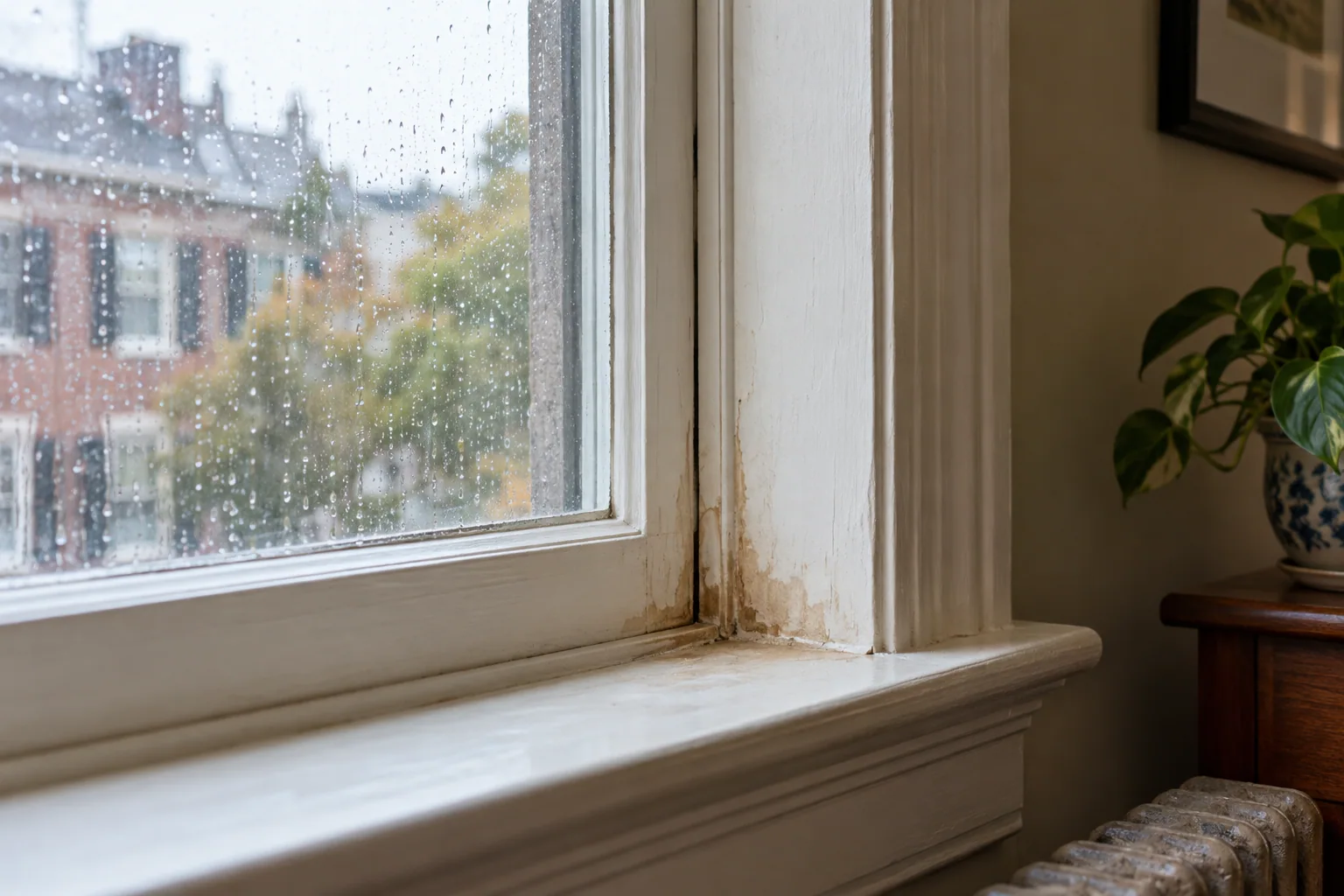
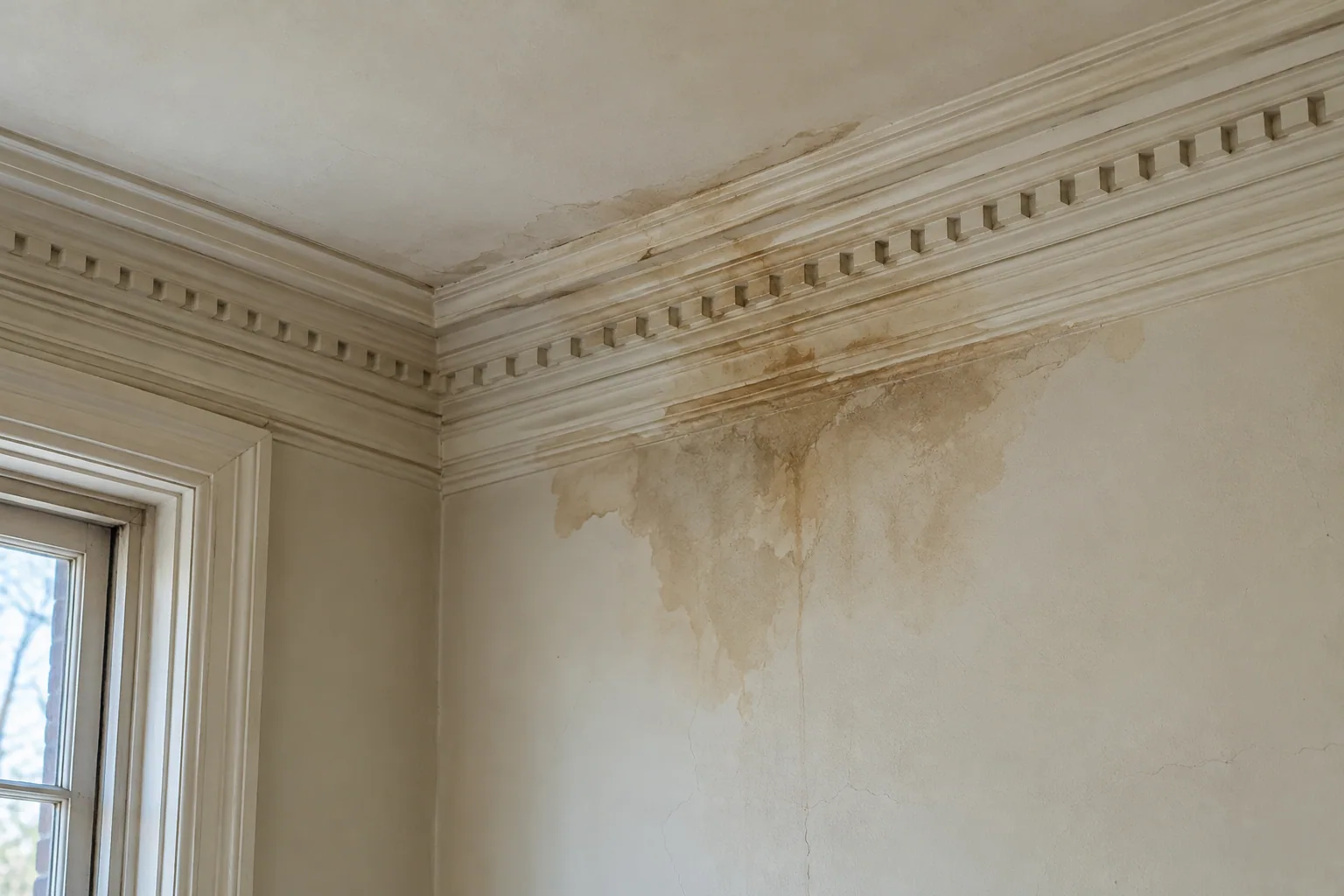
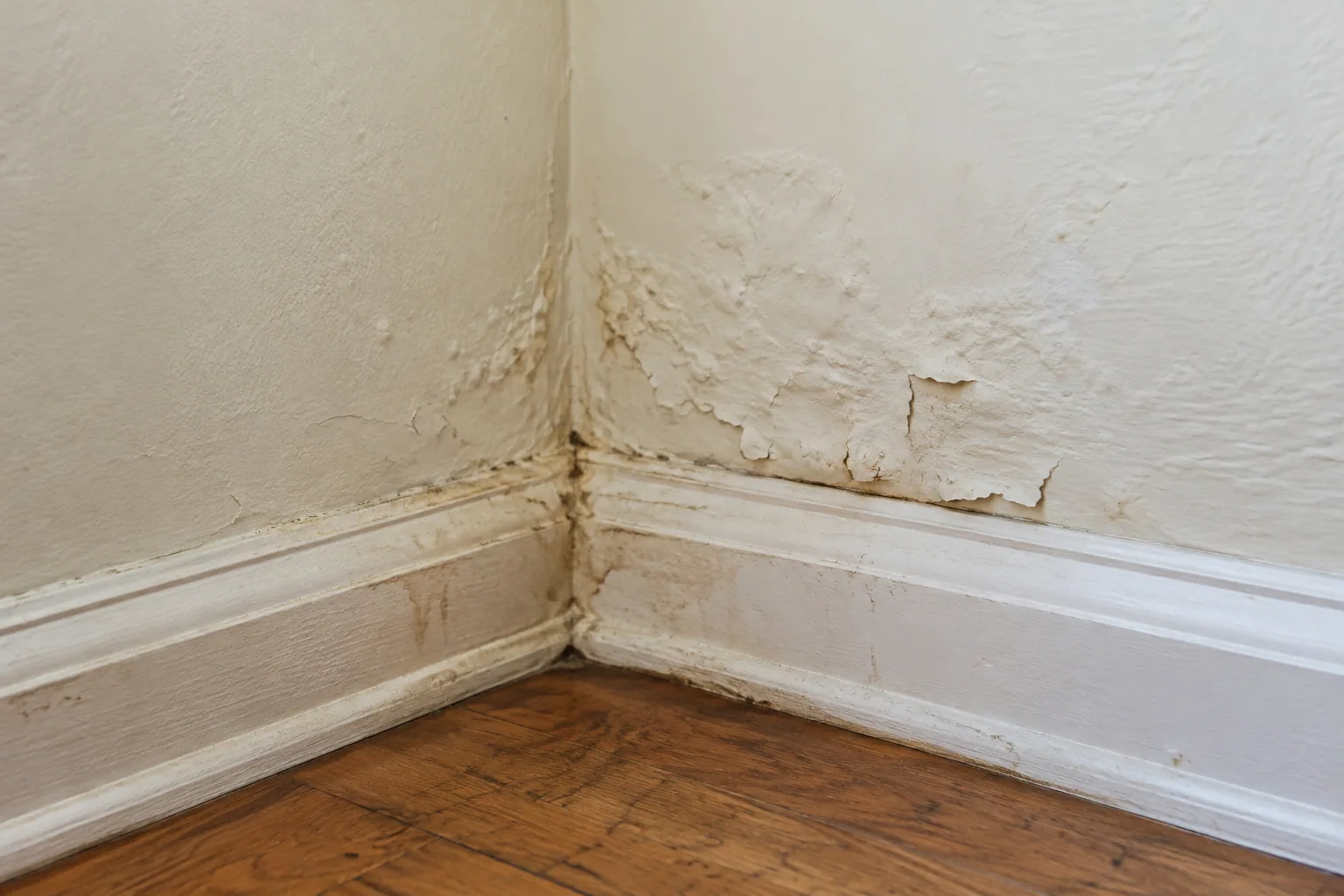
Begin with timing. A stain that changes after rain presents a different clue from one that appears after the upstairs shower runs. Take dated photographs from the same position and note changes in paint, trim or flooring. Several observations can help an investigator; a freshly painted wall and a memory of the old mark provide much less to work with.
Do not wait for a pattern if water is actively flowing or the ceiling is unstable. Arrange urgent source control and keep clear of hazards. For a recurring mark without an immediate danger, preserve the evidence while scheduling inspection. Tell the contractor about prior repairs and any inaccessible spaces. A previous coat of stain-blocking paint is part of the history, not proof that the underlying problem was resolved.
Separate observations from explanations
A musty smell does not identify a specific mold or reveal its location. Blistering paint does not establish whether moisture arrived from inside the room, a pipe or the exterior. Use descriptions that another person can verify: soft baseboard at the rear corner, a stain below the sill, or an odor strongest inside a particular closet. Those details help build an inspection plan.
Ask the investigator to list the plausible sources and the evidence for each. A wall beside a chimney may need roof and masonry investigation; a wall behind a bathroom may need plumbing access. The first explanation may change after inspection. Keeping possibilities separate from findings makes it easier to choose a useful next test instead of paying for a repair aimed at the wrong source.
| Observation | Question it raises | What it cannot establish alone |
|---|---|---|
| Recurring stain after rain | Is an exterior entry path active? | The exact failed roof or wall detail |
| Soft or swollen trim | What exposure affected the material and backing? | The full concealed extent |
| Musty odor in a closet | Is there a moisture source or affected material nearby? | Mold species or health risk |
| Unexpected meter reading | Is moisture present or is construction affecting the reading? | The condition of every layer behind the face |
Choose the investigator for the question
A plumber, roofer, building-envelope specialist and restoration contractor bring different skills. Ask the person you call what they can investigate and when another trade is needed. Someone who can dry a wall may not design a flashing repair. Someone who repairs a pipe may not assess whether insulation inside the wall can remain. Coordinating those roles avoids a series of narrow visits that never answers the whole question.
In a condo or converted multiunit house, involve management early where access or shared building parts are involved. An upstairs or neighboring space may contain the relevant source even when the visible sign lies entirely within your room. Ask for a named coordinator and a common record of findings so observations from different units can be connected.
Use noninvasive tools for a defined purpose
A moisture scan can help compare locations, while thermal imaging can highlight a temperature pattern worth checking. Neither produces a complete view through the wall. Flir explains that a thermal camera senses surface temperatures, so an apparent anomaly needs interpretation and confirmation. Ask the inspector to describe what each tool found and what conclusion remains uncertain.
The report should identify the material, instrument setting and comparison locations where relevant. Metal, backing and different wall construction can complicate a reading. If the same unusual result follows a line of framing, ask whether the construction explains it. A careful interpretation is more useful than a large collection of images accompanied by a blanket statement that the entire wall is wet.
Make an opening answer a specific question
Sometimes a targeted opening is the reasonable way to inspect a concealed area. Before authorizing it, ask what the opening is expected to reveal and how the contractor selected its location. The scope should address protection for belongings, dust control, safe access and restoration afterward. A small opening can still require planning if it crosses a painted surface or unknown older materials.
EPA cautions that investigating hidden mold can release material into the air when affected surfaces are disturbed. Older homes can also contain lead coatings or asbestos materials requiring qualified assessment. Do not cut, drill or remove wallpaper yourself to test a suspicion. Ask how the contractor will evaluate those concerns before disturbing the wall and how any unexpected finding will change the work.
Expand the scope only when evidence supports it
An opening may show a confined problem or reveal another affected cavity. Ask the contractor to photograph the findings and explain the next proposed boundary. The aim is to trace the actual condition, not to remove every finish because hidden damage is possible. New work should connect to new evidence and an authorization that you understand.
A dry visit may also leave a source unresolved. If the suspected leak is intermittent, ask what follow-up would be useful and under what conditions. Record any area that could not be examined. A report that clearly states its limits is more valuable than an unsupported all-clear. Monitoring may be appropriate in some cases, but the plan should say what change triggers another inspection.
Verify the cause and the cavity before closing
After the source is repaired, ask for separate confirmation of the concealed area's condition. What materials were removed? What remains? How were relevant moisture and cleanup concerns assessed? Do not let a completed plumbing invoice become the only record of a wall that also needed drying or material repair. The closure decision should account for both the cause and its effects.
Keep the original observations, inspection photographs and final repair record in one file. When practical, include an image of the cavity before it is closed. If the symptom returns, compare its location and timing with the earlier event. That history can shorten the next investigation and prevent another round of cosmetic repairs that make the evidence harder to see.
Your field checklist
- Record timing, location and changes before repainting.
- Describe signs without treating them as a diagnosis.
- Choose trades whose scope matches the suspected source.
- Ask what measurements establish and what remains uncertain.
- Plan any opening for a specific purpose and safe material handling.
- Verify source repair and concealed conditions before closure.
A few common questions
Can a thermal camera rule out a leak?
A thermal image shows surface temperature patterns under the conditions present at the time. It cannot by itself rule out every concealed or intermittent leak. Ask what the inspection covered and what other evidence supports the conclusion.
Should I remove wallpaper if it smells musty?
Avoid disturbing a suspected affected area without a plan. EPA notes that removal can release hidden mold. An experienced professional can assess the history, likely source and appropriate inspection approach before the wall is opened.
What if the wall is dry when the inspector arrives?
Provide dated photographs and the timing of rain or plumbing use. Ask whether follow-up under relevant conditions is warranted. A dry reading on one visit should be reported accurately without erasing a documented recurring event.
Sources & further reading
- A Brief Guide to Mold, Moisture and Your HomeU.S. Environmental Protection Agency
- How to Detect a Water Leak with Thermal ImagingFlir
- Protect Your Family from Exposures to AsbestosU.S. Environmental Protection Agency
- Lead Renovation, Repair and Painting ProgramU.S. Environmental Protection Agency
This guide supports informed conversations about your home. Conditions, materials and local requirements vary; an on-site assessment is necessary for decisions about a particular property.