The useful starting point
A photograph cannot establish the cause, extent or health significance of a dark mark. Record where it is, whether it changes and any nearby water problem. A useful inspection connects the surface condition to moisture and a repair decision; a color label alone does neither.
Describe the mark before naming it
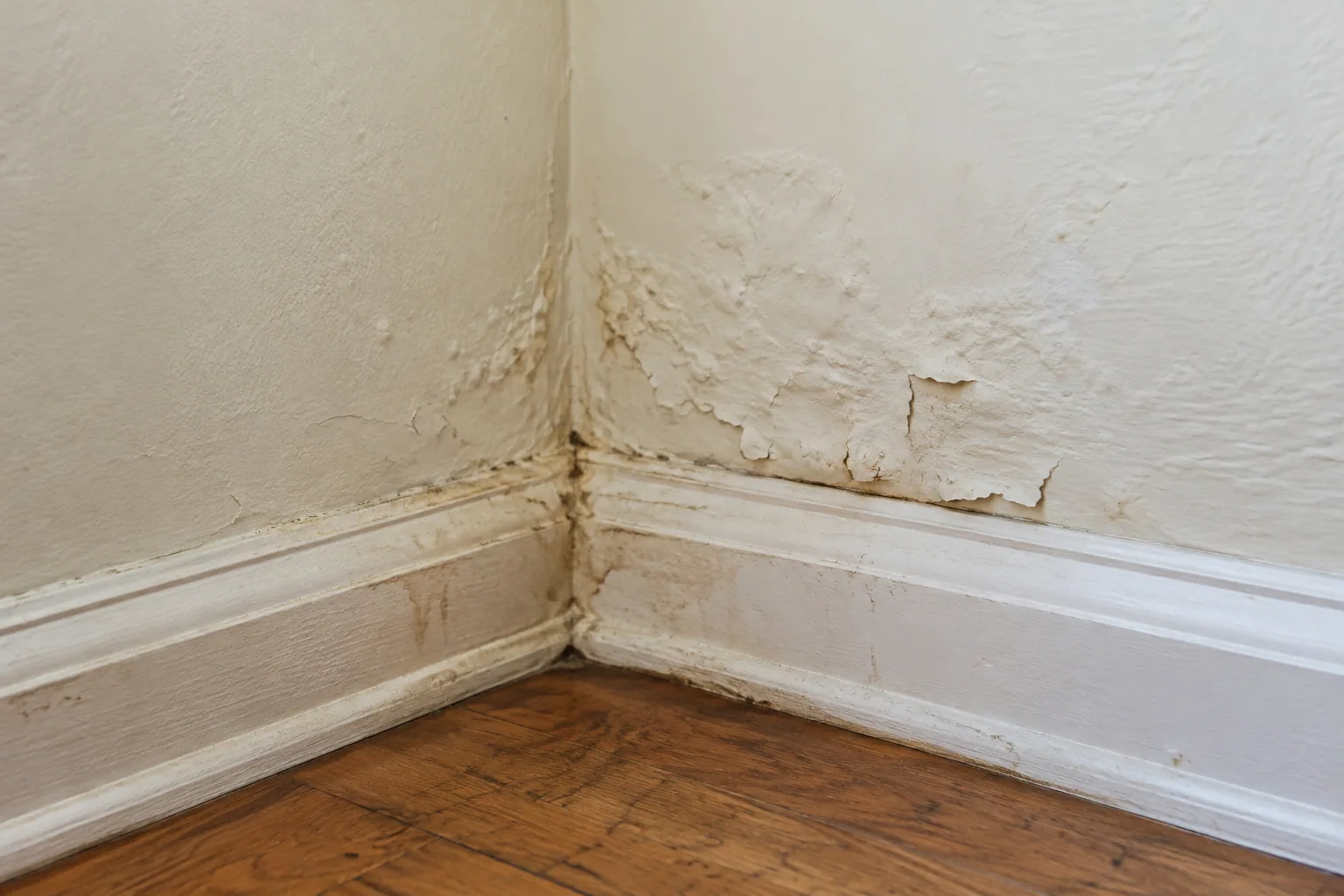
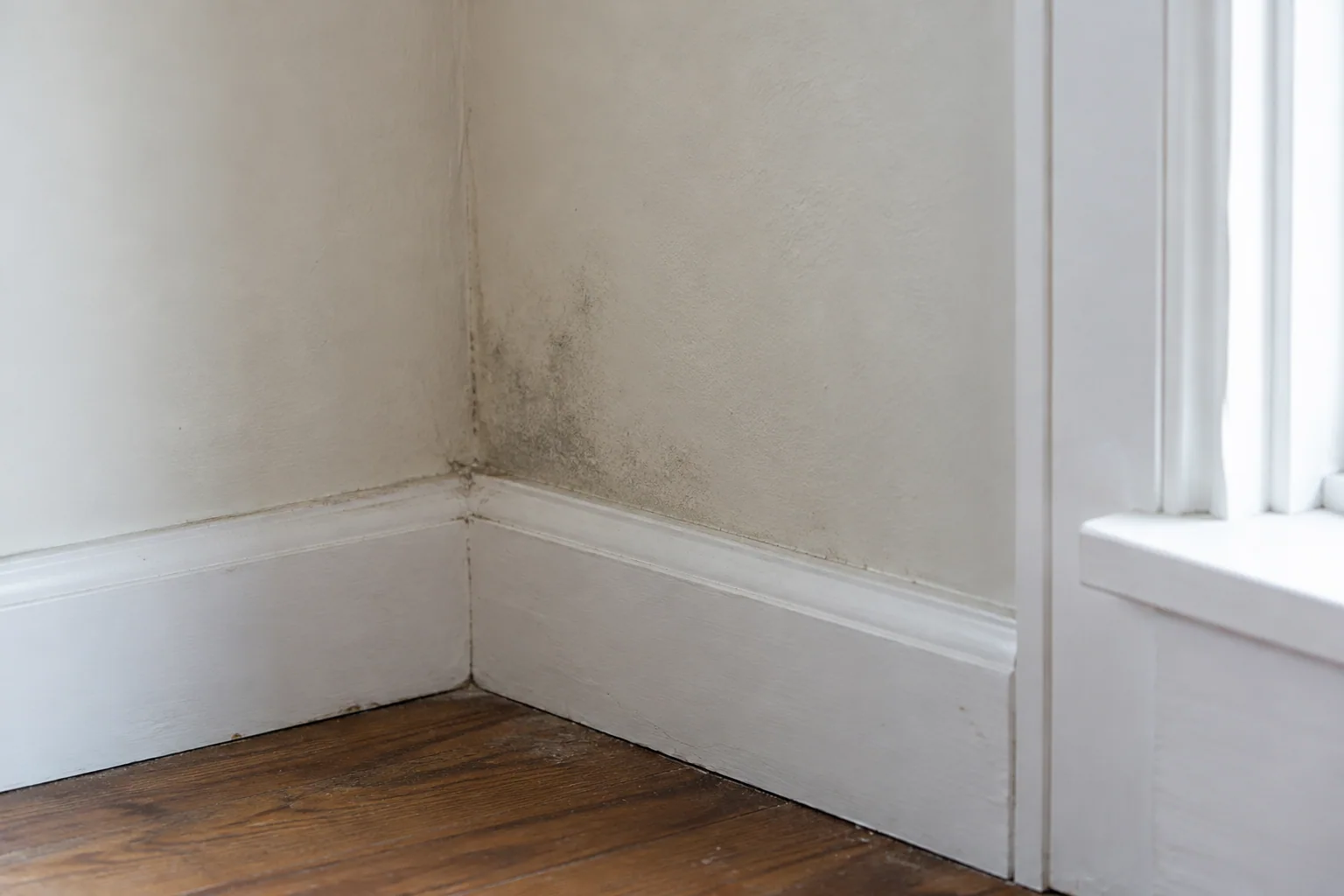
Write down what you can actually observe: a brown ring on the ceiling, scattered dark dots on a window reveal, or a pale deposit at the bottom of a masonry wall. Include the room, surface and approximate area. Calling every discoloration mold makes the initial report less precise, especially when several different materials are involved.
Take one photograph that shows the room and another that shows the mark. Keep the original files and record the date. Avoid scraping, rubbing or spraying the surface just to see what happens. That experiment can change the evidence, disturb material and leave a second stain that complicates the inspection.
A helpful inspection distinguishes the finding from the uncertainty. The contractor should explain what they can establish now, what needs another check and which evidence would change the recommendation. A species diagnosis based only on a phone picture leaves those questions unanswered.
Look for the history beside the spot
Think backward from the first time you noticed it. Was there a roof leak, an overflowing appliance, a long period with the windows closed, or work in the unit above? A stain photographed before a repair and a stain that appeared yesterday call for different follow-up. Previous owners' invoices and your inspection report may help establish that sequence.
Describe timing without claiming a cause. For example, write that the mark became visible after two days of rain, rather than declaring that the roof failed. Water can travel before it reaches the visible surface. The person inspecting the building needs enough room to check the window, wall, plumbing and roof connections.
In an older Boston house, separate the age of the building from the age of the finish. A century-old wall may have a recent drywall patch. Record any known renovation because the layers behind the surface affect access and repair options.
What different observations can establish
A single clue seldom settles the question. Use observations to choose an investigation, then ask the investigator to record the evidence behind their conclusion. The table describes sensible next questions; it does not identify the substance.
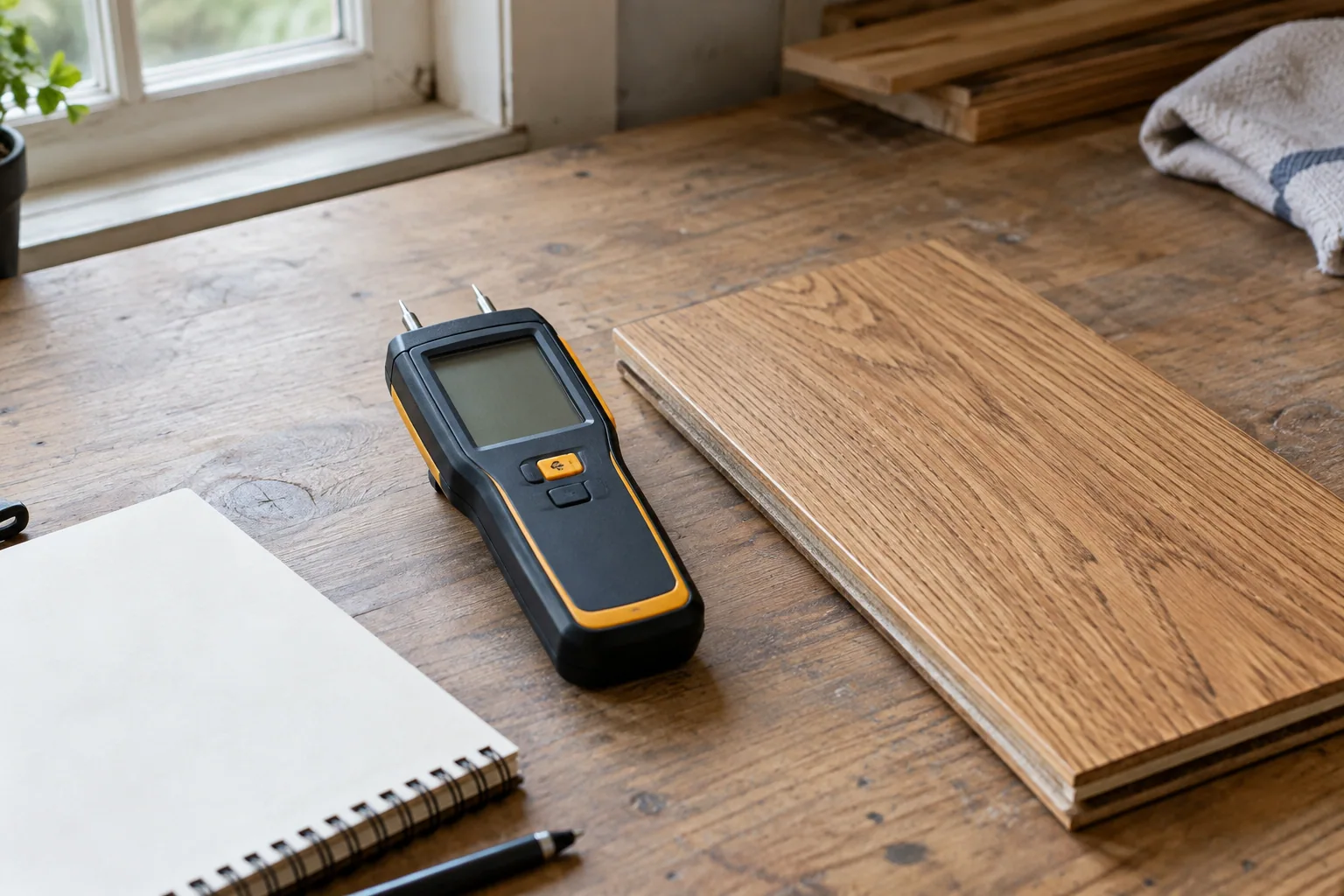
Even a dry reading today has limits. The area may have dried since the original event, and a meter measures only what its method and placement allow. Ask whether readings from comparable unaffected material were taken and whether any inaccessible area remains unresolved.
| Observation | Useful follow-up | What it does not prove |
|---|---|---|
| Mark after a known leak | Confirm the leak repair and assess affected layers | That every stained layer needs replacement |
| Patch that keeps returning | Review moisture, cleaning history and nearby materials | A particular mold species |
| Dark material on an air grille | Have the system and surrounding surface assessed | That all ducts need cleaning |
| Stable old discoloration | Compare past photographs and inspection records | That the underlying assembly is dry everywhere |
Color is a poor way to judge risk
CDC explains that identifying the mold type is usually unnecessary for deciding that indoor growth needs attention. Its guidance on Stachybotrys also cautions against connecting particular symptoms to that organism through a test. Dark color is not a severity scale, and a pale mark is not a clearance certificate.
Keep building questions and personal health questions separate. The inspector can evaluate materials and moisture; a clinician can advise someone with symptoms or health concerns. Describe the exposure and symptoms plainly rather than arriving with a diagnosis based on the wall's appearance.
Avoid informal experiments such as smelling the patch closely or collecting scrapings in an unsealed bag. If evidence needs to be collected, ask the professional how they will collect, label and interpret it without spreading the material.
Ask what a test would change
EPA notes that sampling is usually unnecessary when visible growth is already present and that there are no federal airborne mold limits against which a home can simply pass or fail. A test therefore needs a question, a sampling plan and an explanation of its limits.
Before paying, ask whether the result will change the cleanup boundary, a disputed identification or a decision about an inaccessible area. Request the interpretation in writing, including where samples were taken and conditions at the time. A laboratory sheet without that context can leave the original question unanswered.
For an ambiguous small mark, a careful inspection may be more useful than a broad package of air samples. For a complex loss, a specialist may recommend targeted sampling. These are decisions about the evidence needed for this building, not a reason to reject or buy testing automatically.
Agree on access before opening a wall
An investigation sometimes needs access behind trim or a finish. Ask which location would be opened first, why it was selected and who will restore it afterward. In a condo, establish who can authorize work on the wall or ceiling and whether the other side belongs to another unit or common area.
Older painted finishes may require lead-safe practices when disturbed. Other suspect materials may need assessment before cutting. EPA's renovation program is especially relevant to work that disturbs paint in pre-1978 housing; the contractor should explain the requirements applicable to the proposed job.
A good access plan also accounts for furniture, occupants and the path used to remove material. Ask for photographs before concealment, a record of what was found and a revised scope if the opening reveals more than expected.
Finish with a recorded decision
The useful result is a written explanation of the condition, the evidence, the moisture source if established, and the next action. That action might be monitoring a documented old stain, repairing a leak, arranging cleanup or investigating farther. Ask for any unresolved limitation to appear beside the recommendation.
Keep cosmetic repair separate from verification. Once a surface is covered, later comparisons become harder. Save the original photographs, relevant readings and invoices together, and set a date or event for follow-up, such as the next substantial rain after a window repair.
If the mark changes, add new evidence to the same record. A clear before-and-after sequence helps the next professional understand what was tried and prevents the homeowner from repeatedly paying for the same first inspection.
Your field checklist
- Photograph the room, affected surface and nearby fixtures.
- Record first appearance and any known water event.
- Ask what evidence supports the proposed diagnosis.
- Define the purpose and limits of any sampling.
- Agree on safe access and repair of inspection openings.
- Keep findings and follow-up photographs in one record.
A few common questions
Can a phone photograph confirm black mold?
No. It can document a surface and help arrange an inspection, but it cannot establish species, hidden extent or the cause of someone's symptoms. Ask for an assessment based on the material and moisture conditions.
Should every old water stain be removed?
Not automatically. The decision depends on the material's condition, whether the cause is resolved and what lies behind it. Request an explanation of why cleaning, repair, removal or monitoring is appropriate for that specific area.
Sources & further reading
- Mold Testing or SamplingU.S. Environmental Protection Agency
- Facts About Stachybotrys chartarumCenters for Disease Control and Prevention
- Lead Renovation, Repair and Painting ProgramU.S. Environmental Protection Agency
This guide supports informed conversations about your home. Conditions, materials and local requirements vary; an on-site assessment is necessary for decisions about a particular property.