The useful starting point
Have the chimney and adjoining roof inspected as a complete junction. Ask whether water is entering through flashing, masonry, the chimney top or another route, and request photographs supporting the finding. A durable scope identifies the materials and connections being repaired instead of relying on an unexplained surface coating.
Locate the interior evidence precisely
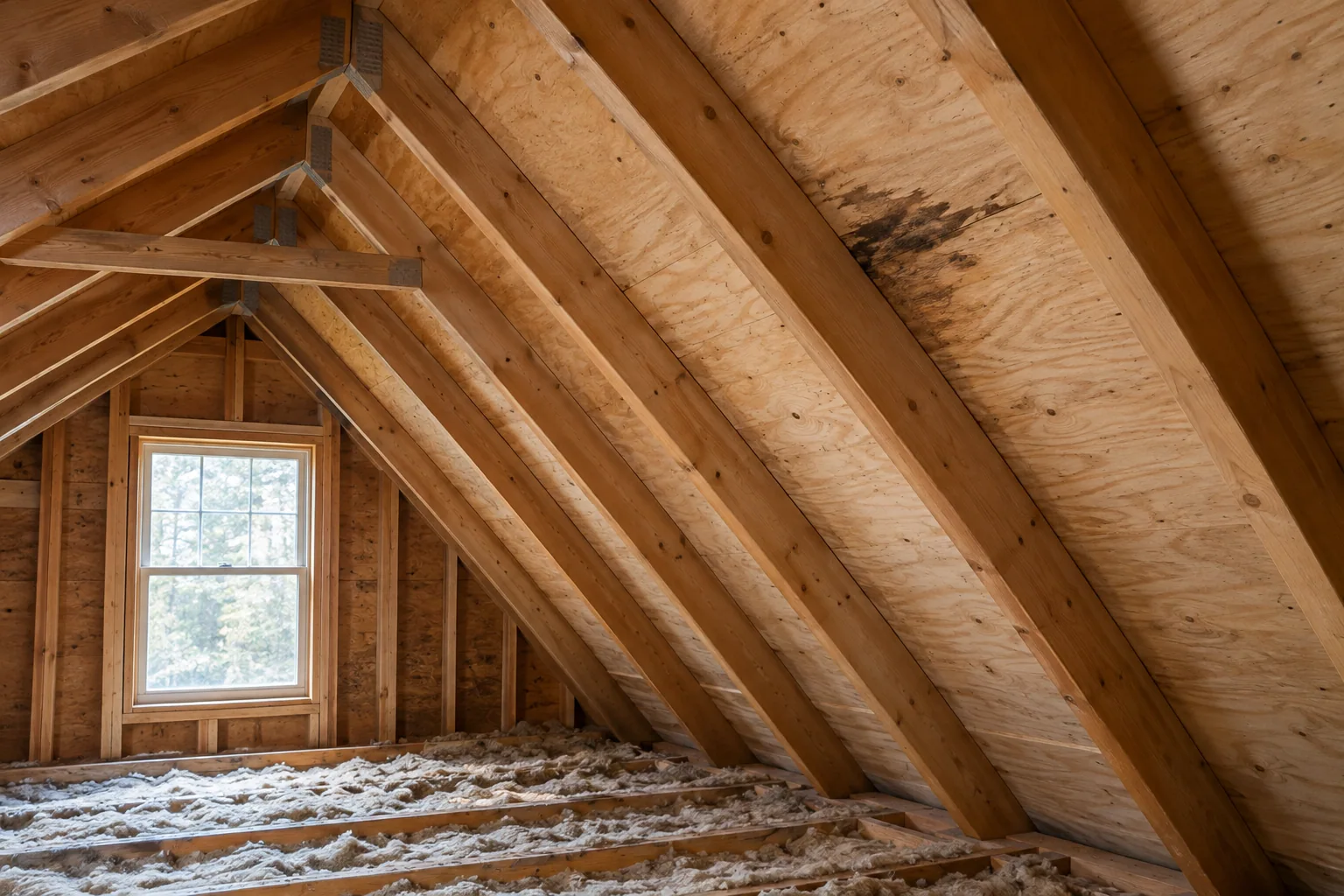
A mark on plaster beside a chimney may appear on one floor while the entry point is much higher. Photograph the room, the stain and its relationship to the chimney breast, ceiling and exterior wall. Record when it becomes wet, whether it follows wind-driven rain or thawing snow and whether the pattern has changed. A long-standing discoloration should be distinguished from current dripping.
If a ceiling is sagging or water is near electrical equipment, keep clear and arrange prompt assessment. Do not enter unsafe attic spaces to follow the stain. Where access is safe, a professional can compare the roof underside and visible masonry with the room below. Ask for a record of what was actually inspected, including parts of the chimney or roof that could not be reached.
Understand the flashing connection
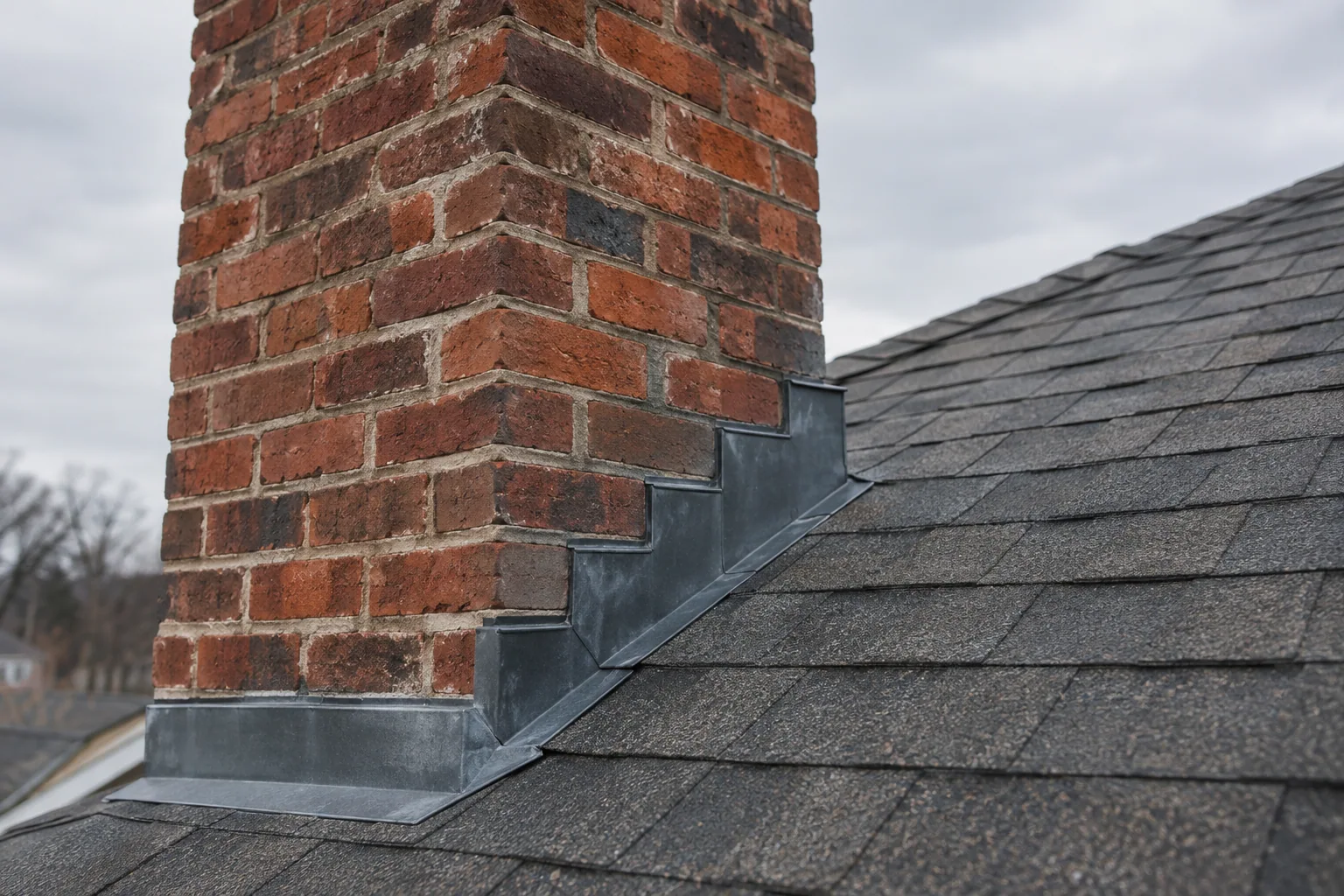
Flashing directs water away from the junction where the roof meets the chimney. Its arrangement depends on the roof material, slope and chimney construction. A homeowner does not need to specify every fold, but should be able to ask how the proposed repair connects roofing and masonry so water is shed outward.
Have the roofer point out damaged, loose or poorly connected pieces in photographs. A scope that names counterflashing should explain how that component protects the upper edge of the roof flashing. If the proposal includes a cricket or another upslope detail, it should explain why the roof geometry needs it and how it connects. A single allowance labeled 'flashing' leaves too much of the intended repair unstated.
Do not stop the inspection at the metal
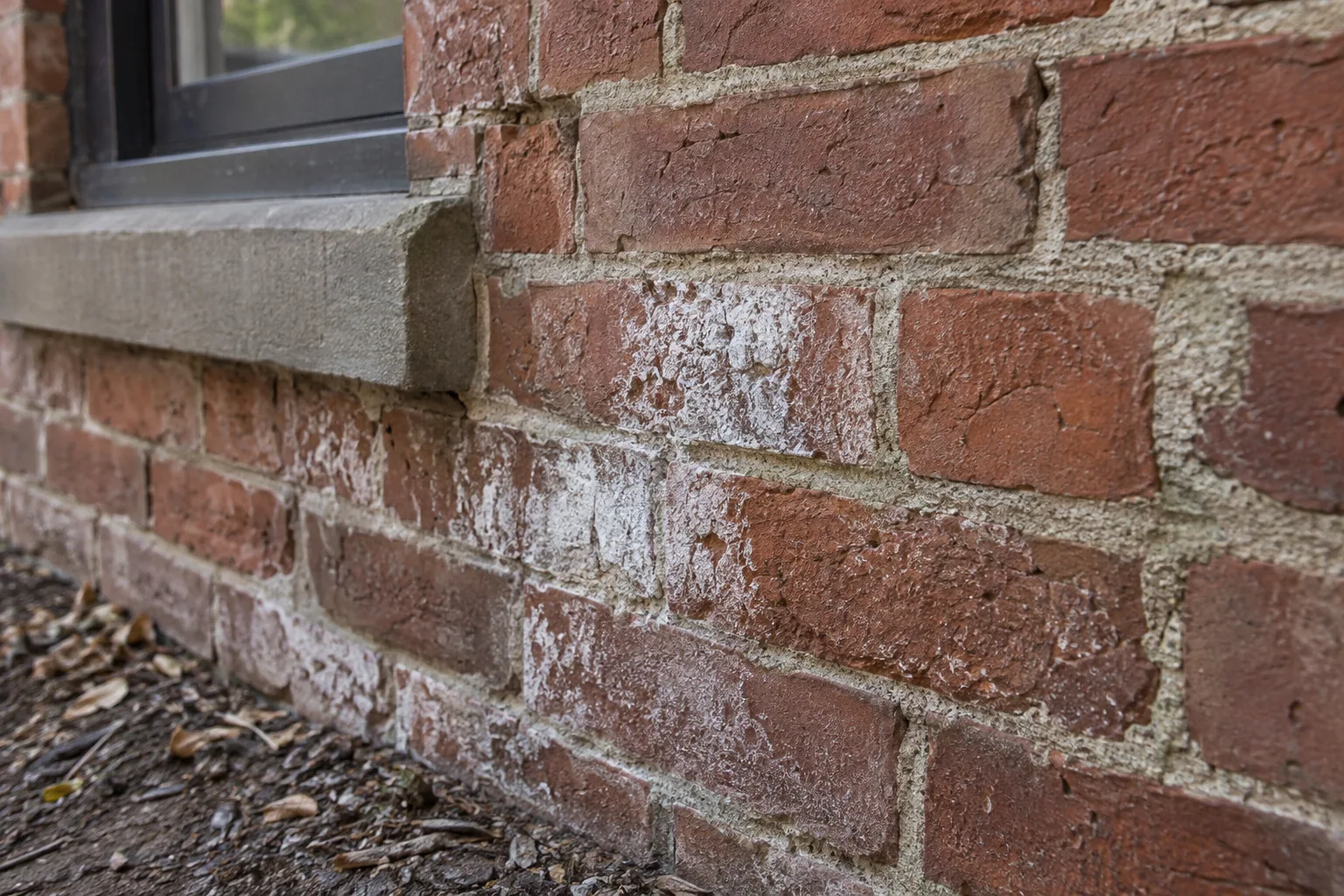
The chimney's top, cap, mortar joints and masonry condition may also be relevant. Water reaching masonry above the roof can appear near the same interior location as a flashing leak. Ask whether the proposed inspection includes those areas and whether a chimney specialist or masonry contractor is needed alongside the roofer.
A stain can also have a different source nearby, including another roof penetration or an interior moisture issue. The investigator should explain why the evidence supports the selected cause. Avoid treating every chimney-adjacent stain as confirmation that the metal must be replaced. Conversely, a new cap does not establish that the roof junction is sound if no one examined it.
| Component | Question for the inspection | What to request |
|---|---|---|
| Roof-to-chimney flashing | Are laps and connections shedding water? | Photographs and proposed detail |
| Masonry and mortar | Are defects admitting moisture? | Material-specific repair scope |
| Chimney top and cap | Are they intact and appropriate? | Chimney specialist findings |
| Nearby roof | Could water travel from another point? | Inspection limits and supporting evidence |
Distinguish a temporary patch from a planned repair
An emergency measure may help control active water entry until conditions allow permanent work. Ask the contractor to label it as temporary, explain its expected role and state when follow-up is needed. A thick surface application that hides the connection makes later inspection harder unless its purpose and location are documented.
For permanent work, ask which roof materials must be lifted or replaced, how the flashing will connect to the chimney and how adjacent masonry will be handled. If mortar repair is included, request a compatible material specification rather than a generic promise to use a stronger mix. The National Park Service's roofing and repointing guidance supports treating these as related material decisions. Include access, disposal and protection of the surrounding roof in the price comparison.
Check the chimney's use as well as its weather exposure
Tell the inspector whether the chimney serves a fireplace, heating appliance, another system or no current use. Exterior water investigation and appliance or flue safety are different tasks, and one inspection should not be represented as covering the other unless that work was actually included. If there is suspected damage affecting safe operation, get the appropriate qualified assessment before use.
Do not install a cap, seal an opening or alter a vent route simply to stop a visible drip. Those changes need to suit the chimney and anything it serves. Ask who is responsible for evaluating the operating system and coordinating with the roofing or masonry crew. This is especially relevant where a chimney has been partly abandoned, shortened or connected to replacement equipment over the life of the house.
Include the interior recovery and a weather check
Once the source work is complete, have affected interior materials assessed before repainting or closing an opening. A repaired flashing detail does not establish that insulation or plaster beside the chimney is ready for finish work. Keep photographs of concealed damage and ask what drying or replacement decisions were made. Older painted materials require appropriate precautions during access and repair.
Agree on a follow-up that tests the original complaint, such as observation after comparable rain or an appropriate professional test. Save the before-and-after roof photographs, materials used and warranty terms. If water returns, compare its exact timing and location with the earlier record. That helps determine whether the original route remains active, another route was missed or a new condition has developed at the same complicated junction.
Your field checklist
- Record the stain's location relative to chimney, ceiling and roof.
- Ask for inspection of flashing, masonry, top and nearby roofing.
- Require photographs that support the proposed cause.
- Label temporary measures and schedule their follow-up.
- Disclose what the chimney serves before any cap or vent changes.
- Coordinate interior material assessment with post-repair weather observation.
A few common questions
Is roof cement a permanent chimney-leak repair?
Its role depends on the detail and product, but an unexplained surface patch is not a complete repair specification. Ask what defect is being corrected, how the materials connect and whether the work is temporary or permanent.
Does a new chimney cap fix flashing leaks?
A cap and roof flashing address different locations. A new cap may correct a problem at the top, but it does not establish that the roof junction was inspected or repaired.
Who should investigate: a roofer or a chimney contractor?
Start with a qualified professional who can examine the suspected route and explain any limits. Some problems require coordination among roofing, masonry and chimney specialists, particularly when the chimney serves an active appliance or fireplace.
Sources & further reading
- Preservation Brief 4: Roofing for Historic BuildingsNational Park Service
- Preservation Brief 2: Repointing Mortar JointsNational Park Service
- Preservation Brief 39: Controlling Unwanted Moisture in Historic BuildingsNational Park Service
- Preservation Brief 47: Maintaining Historic Building ExteriorsNational Park Service
This guide supports informed conversations about your home. Conditions, materials and local requirements vary; an on-site assessment is necessary for decisions about a particular property.