The useful starting point
Do not enter water to reach a sump pump, plug or electrical panel. Call qualified help and describe whether the pump is silent, cycling or running continuously. After the emergency, have the power supply, controls, discharge route and system capacity evaluated before assuming a new pump alone will prevent another flood.
Observe from the dry side
A silent pump is not a reason to step into a flooded basement. The National Weather Service warns against entry where water covers outlets or submerges cords. Keep clear when electrical safety is uncertain. Reaching into the pit or handling a wet plug is not a reasonable diagnostic step. Call qualified pump service and an electrician where needed.
From a safe location, record whether the house has power, whether an alarm is sounding and whether you can hear the pump. Note when the water began rising and whether it is still rising. If the basement is inaccessible, say so when calling. The service team can prepare more effectively when it knows the access problem before arriving with equipment.
A symptom is a clue, not a diagnosis
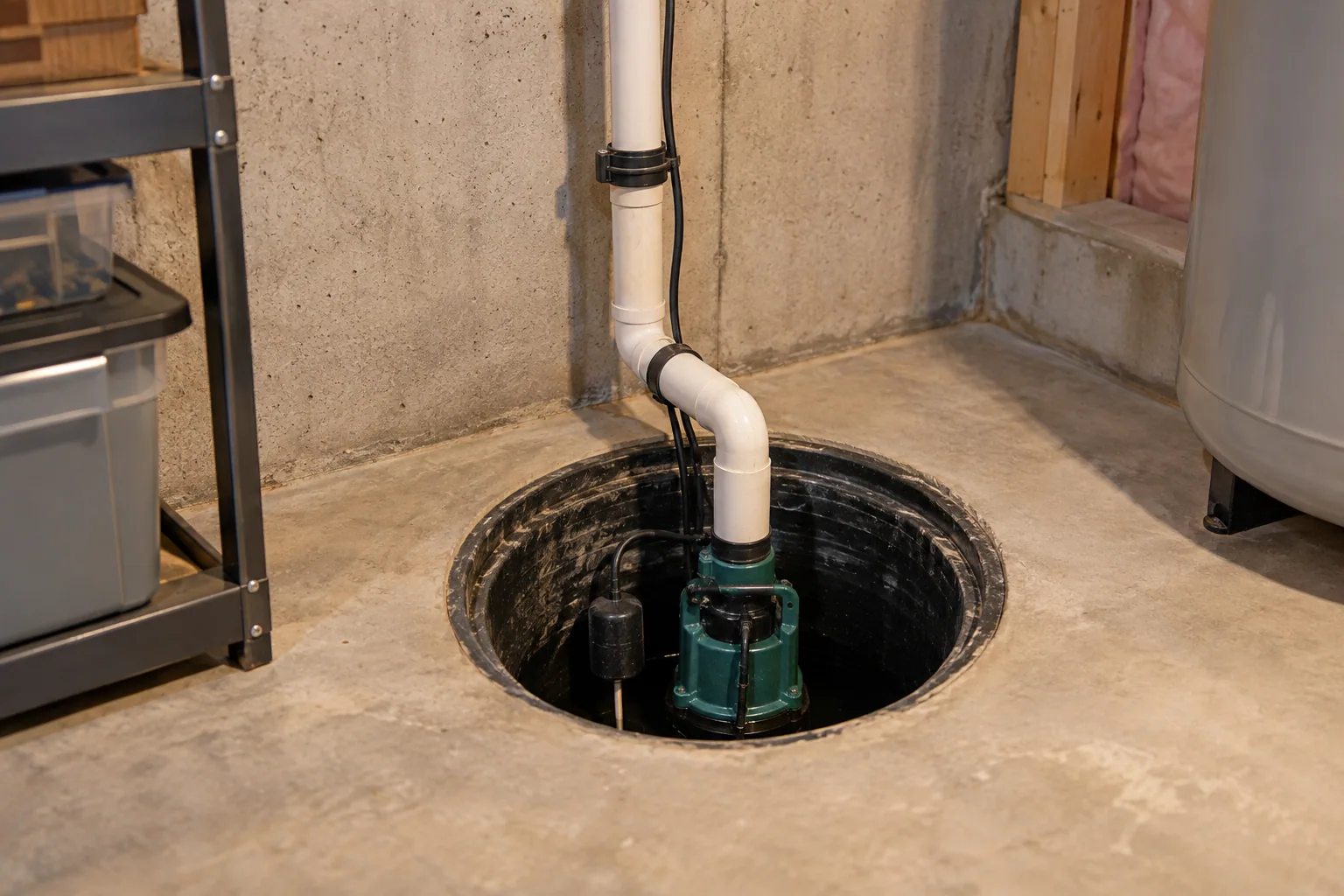
A pump can fail to operate, operate intermittently or run while water continues to rise. Those observations point to different questions about power, controls, pumping performance and discharge. Manufacturer troubleshooting guidance treats the pump and its controls as a system. Ask the technician to document the finding rather than replacing the motor solely because water appeared on the floor.
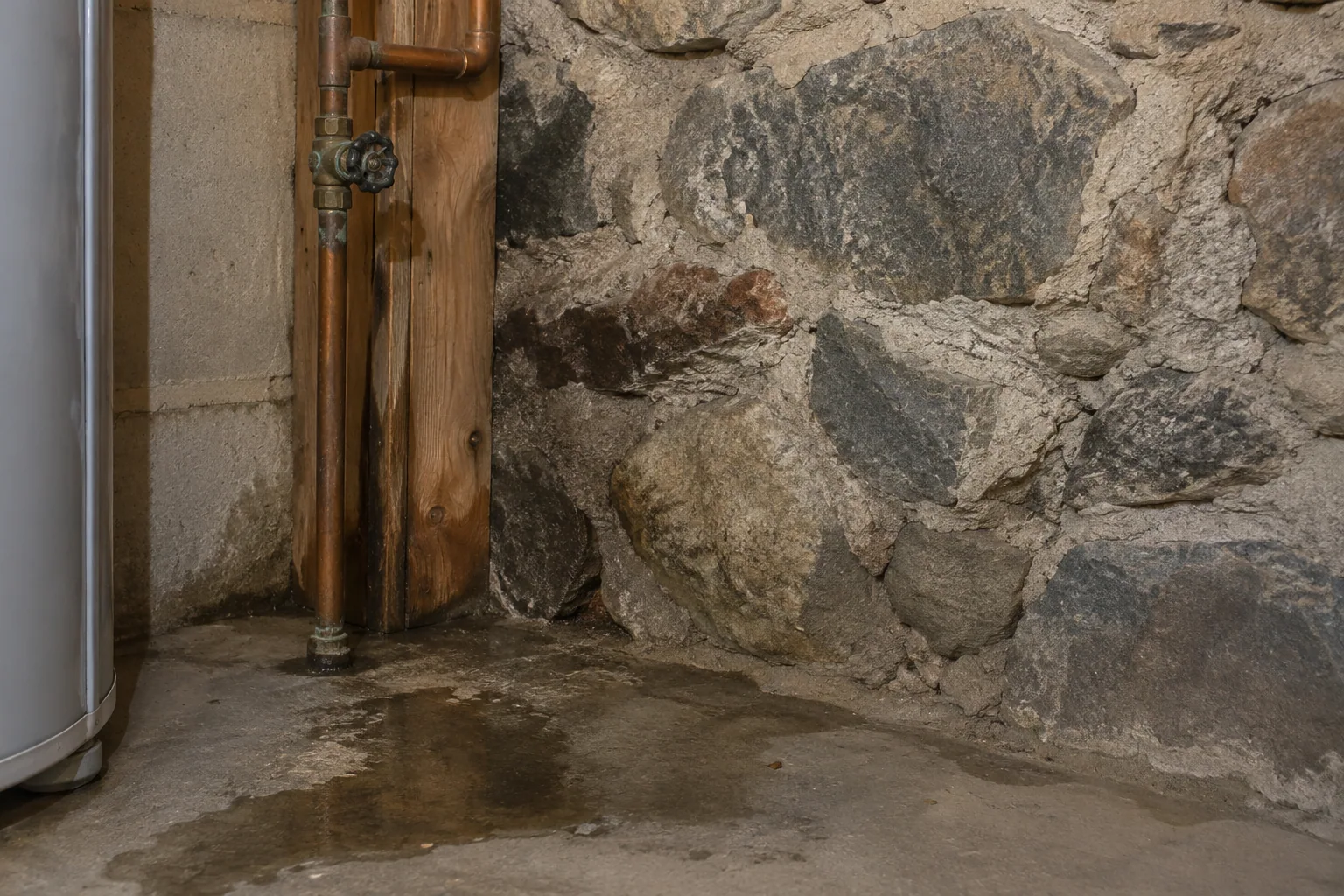
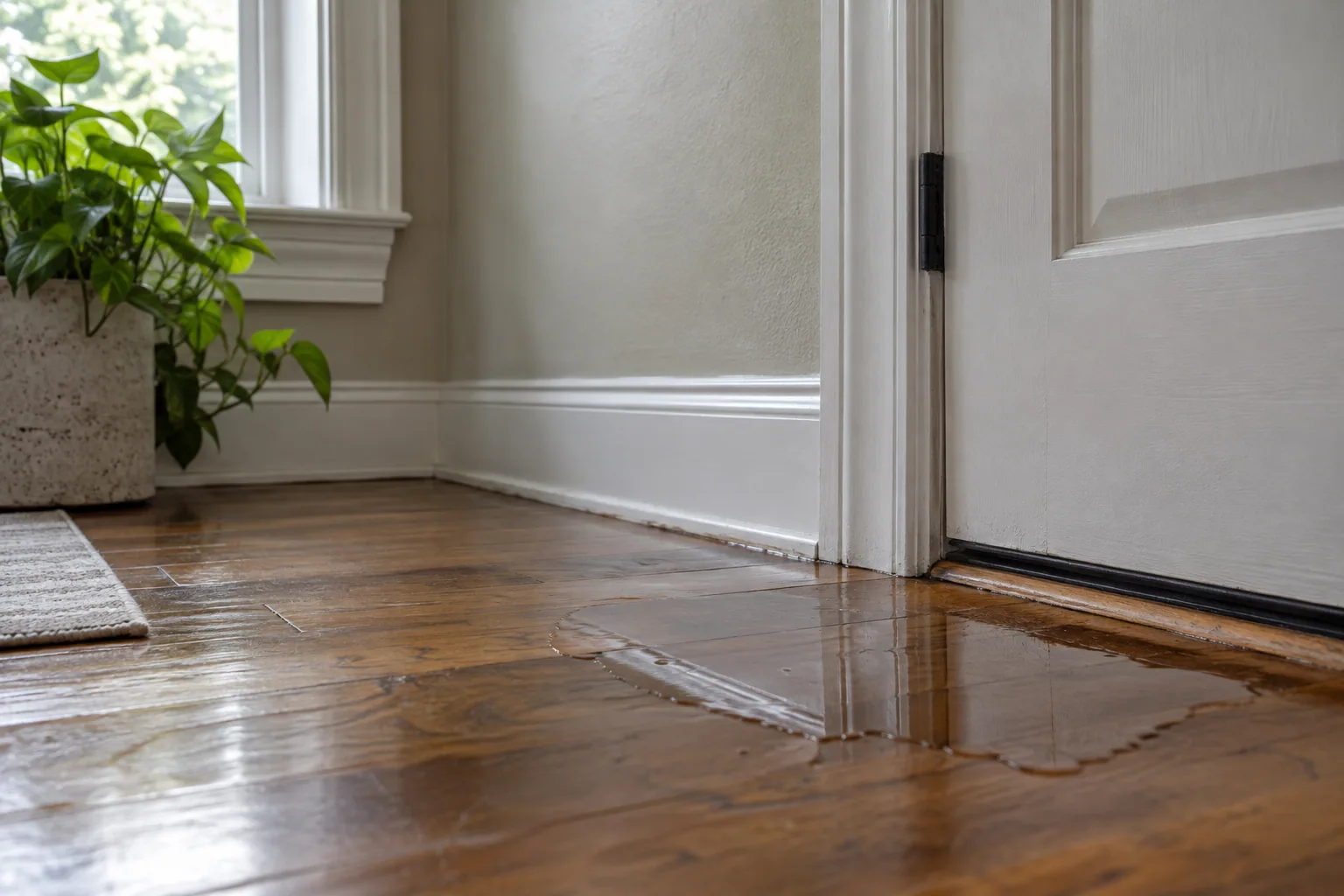
A working pump may also face inflow beyond what the installed system can manage, or water may enter through a route that bypasses the pit. A window well overflowing into a room is not the same problem as a pump failing to start. Tell the technician where you first saw water, including locations away from the sump, and ask whether the drainage layout captures those paths.
| Safe observation | Question for service | Avoid assuming |
|---|---|---|
| Pump is silent | Is power available and are the controls operating? | The motor must be the failed part |
| Pump runs but level rises | Is discharge restricted or inflow exceeding performance? | A larger motor alone will solve it |
| Frequent short cycles | Are controls, basin and discharge functioning together? | Frequent operation proves good protection |
| Water enters far from the pit | Does the drainage system reach this entry path? | The sump protects every basement opening |
Treat the discharge route as part of the repair
The pipe leaving the pump is easy to overlook because the machine draws attention. Ask where it terminates and whether the route is clear and appropriate. A technician should assess the configuration against the equipment requirements and applicable local rules. Do not improvise a new discharge connection into a drain or move water onto neighboring property while trying to solve the immediate problem.
If the discharge route is outdoors, record any visible condition from a safe ground-level position. Snow, ice, damage or water returning toward the foundation may be relevant observations, but do not reach into a running system or dismantle piping during a flood. Give the service team the information and ask for a permanent correction that addresses the route, not just temporary pumping.
Choose backup protection by the failure it covers
Ask what would happen during a power outage, a primary-pump fault and an alarm communication failure. A battery backup, a second pump and a high-water alarm serve different roles, and a system may combine them. The installer should explain which failures the proposed setup covers, what it cannot cover and how its performance relates to your basement's drainage conditions.
Get maintenance and testing instructions for the exact model. A backup system is only useful when its components remain ready, and a notification is only useful if someone receives it. Decide who responds when the owner is traveling or a shared basement is unattended. Keep the equipment information and service contact somewhere accessible outside the basement in case that room becomes unavailable.
Keep emergency power decisions outside the basement
If a generator is part of the proposed emergency response, follow the equipment instructions and official carbon-monoxide precautions. CDC says fuel-powered equipment must operate outside and away from openings, not in a basement, garage or other enclosed or partially enclosed space. Electrical connection and wet-area use also need qualified attention. A generator is not a reason to handle submerged plugs or bypass safe wiring.
During an active storm, the safer decision may be to keep people out and let an equipped professional manage pumping. Tell responders about fuel, chemicals or sewage that may be present. Do not assume the water is clean because groundwater was the expected source. The cleanup scope should follow what actually entered the basement and which materials it contacted.
The pump repair does not finish the basement repair
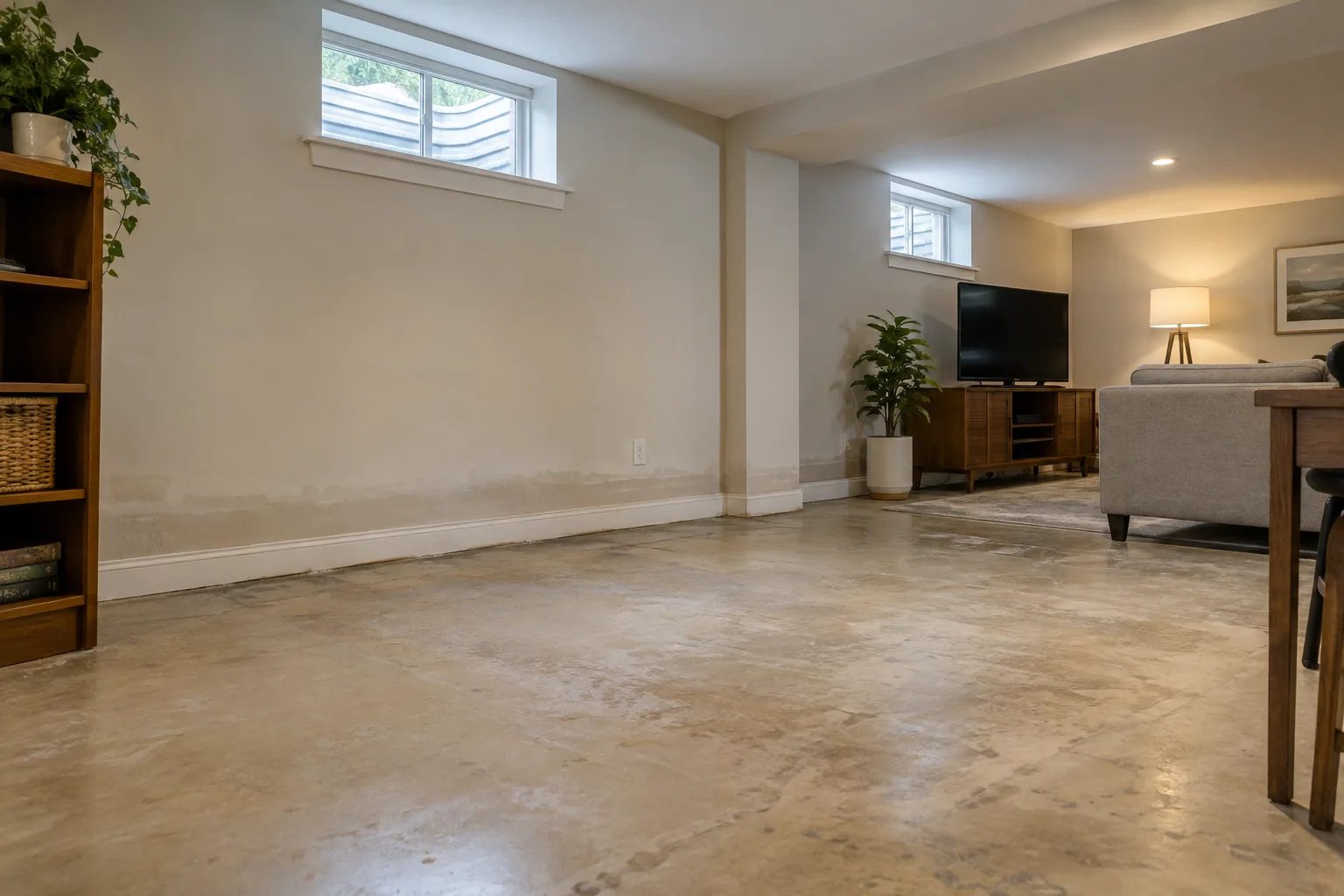
Once water recedes, inspect the affected building and contents. Finished walls, flooring, stored boxes and the underside of stairs may have been exposed. Ask a restoration contractor to map the wet area and identify concealed layers needing attention. The pump invoice answers whether the machine was serviced; it does not establish that the room is dry or that absorbent materials can remain.
Document the loss and contact your insurer about the specific coverage available. Give the actual cause as reported by the technician and distinguish it from your initial assumption. Keep receipts for emergency response and any approved temporary measures. If the cause remains uncertain, preserve that uncertainty in the record instead of choosing a label before the investigation is complete.
Make the next storm easier to manage
Use the service visit to build a short operating record: equipment model, discharge destination, alarm method, maintenance requirements and responsible contact. Ask the technician to show safe observation points and explain which changes require a call. This is particularly helpful in a multiunit building where different residents may notice trouble but only one person has the service information.
Review storage and drainage around the basement as separate measures. The National Flood Insurance Program recommends working pumps and water alarms as ways to reduce damage, but neither creates a guarantee. Keep irreplaceable belongings away from vulnerable floor-level storage. Revisit exterior runoff and known entry points with the appropriate contractor so the pump does not become the only part of the house's water-management plan.
Your field checklist
- Stay clear of water near electrical equipment.
- Record pump sounds, alarms, power status and the first water location.
- Request diagnosis of controls, discharge and drainage paths.
- Ask which failures a proposed backup system actually covers.
- Assess wet building materials after pumping ends.
- Keep model information, maintenance instructions and response contacts accessible.
A few common questions
Should I buy the largest replacement pump?
Have a qualified installer size and configure the system for its actual conditions. Pump performance, controls, basin and discharge must work together. A larger unit does not automatically address an obstructed route or water entering outside the drainage system.
Does a water alarm stop flooding?
An alarm provides notice; it does not itself remove water or repair a failed component. Discuss where notifications go, what happens during an outage and who can respond when nobody is home.
Can I reset a breaker to restart the pump?
Do not approach wet electrical equipment or repeatedly reset a circuit whose fault is unknown. Keep clear and ask an electrician or qualified responder to assess the situation, particularly when water has reached the pump connection.
Sources & further reading
- During a FloodNational Weather Service
- 12 Volt DC Battery Backup Pump: Installation and Maintenance InstructionsZoeller Pump Company
- Minimize Flood DamageNational Flood Insurance Program
- Safety Guidelines: Reentering Your Flooded HomeCenters for Disease Control and Prevention
This guide supports informed conversations about your home. Conditions, materials and local requirements vary; an on-site assessment is necessary for decisions about a particular property.