The useful starting point
Identify the insulation and exposure before deciding what can remain. EPA's water-damage guidance calls for replacing wet fiberglass and cellulose insulation. Other products need their own assessment. Inspect the surrounding framing and backing, address contamination and the leak source, and verify readiness before installing new insulation and closing the assembly.
Start with material identification
First establish what is inside the cavity. Fiberglass batts, loose cellulose, mineral wool, rigid boards and spray foam are different products, and an older wall may contain material from several renovations. Have the inspector record the product, location and exposure. One photograph through a small opening may not represent every cavity along the same wall.
Look for installation records and product labels if you have them, but do not pull insulation out to identify it yourself. Some older loose-fill material may be vermiculite. EPA advises treating vermiculite insulation as potentially asbestos-contaminated and leaving it undisturbed pending appropriate professional advice. Mention suspected vermiculite before a contractor opens an attic floor or wall assembly.
The source and duration shape the scope
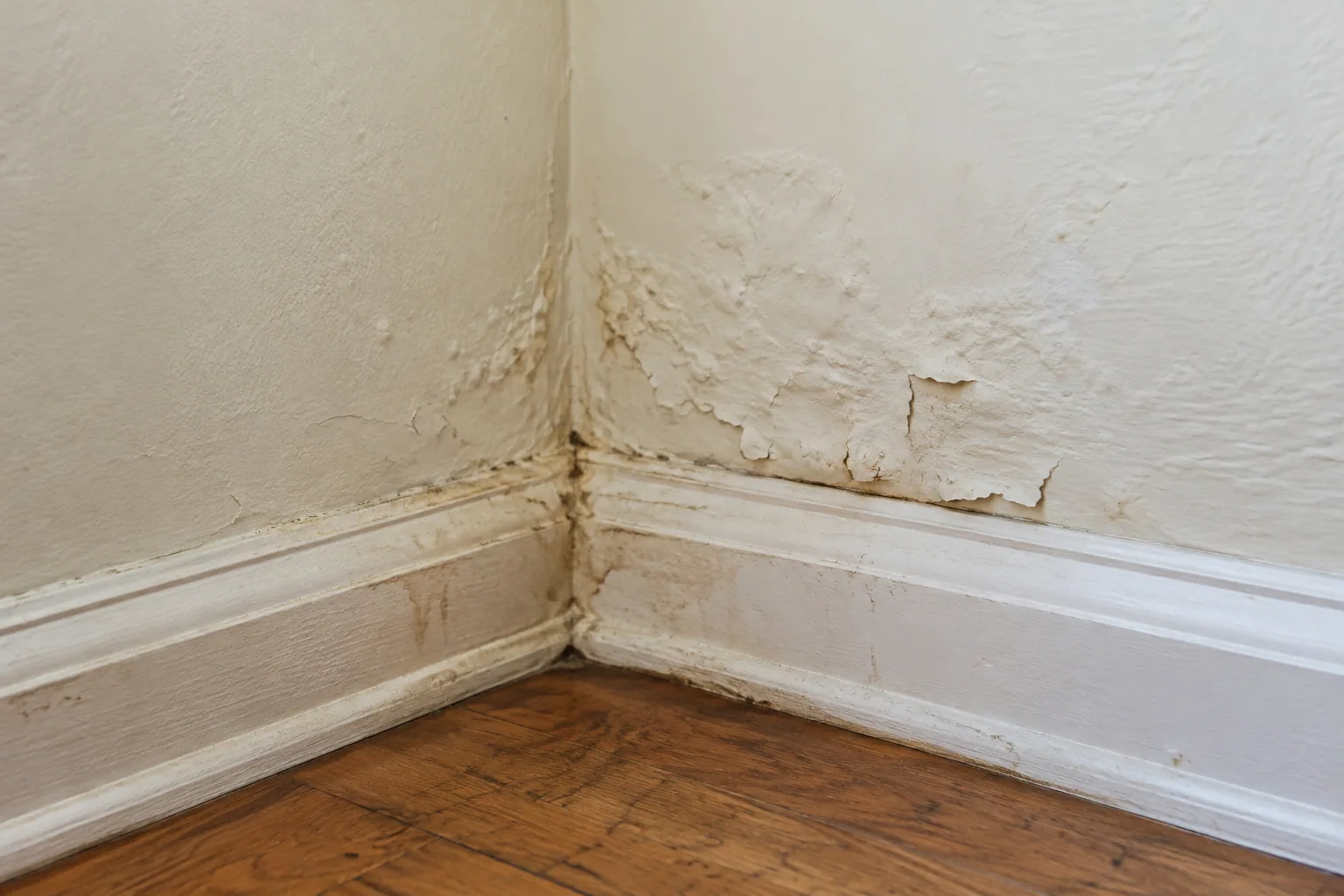
A supply leak caught during use, a repeated roof leak and sewage entering a basement introduce different inspection questions. Tell the contractor when the problem was discovered and when the area was last known to be dry. If the exposure is uncertain, say so. A neat ceiling stain does not establish that the insulation above it experienced only a brief wetting.
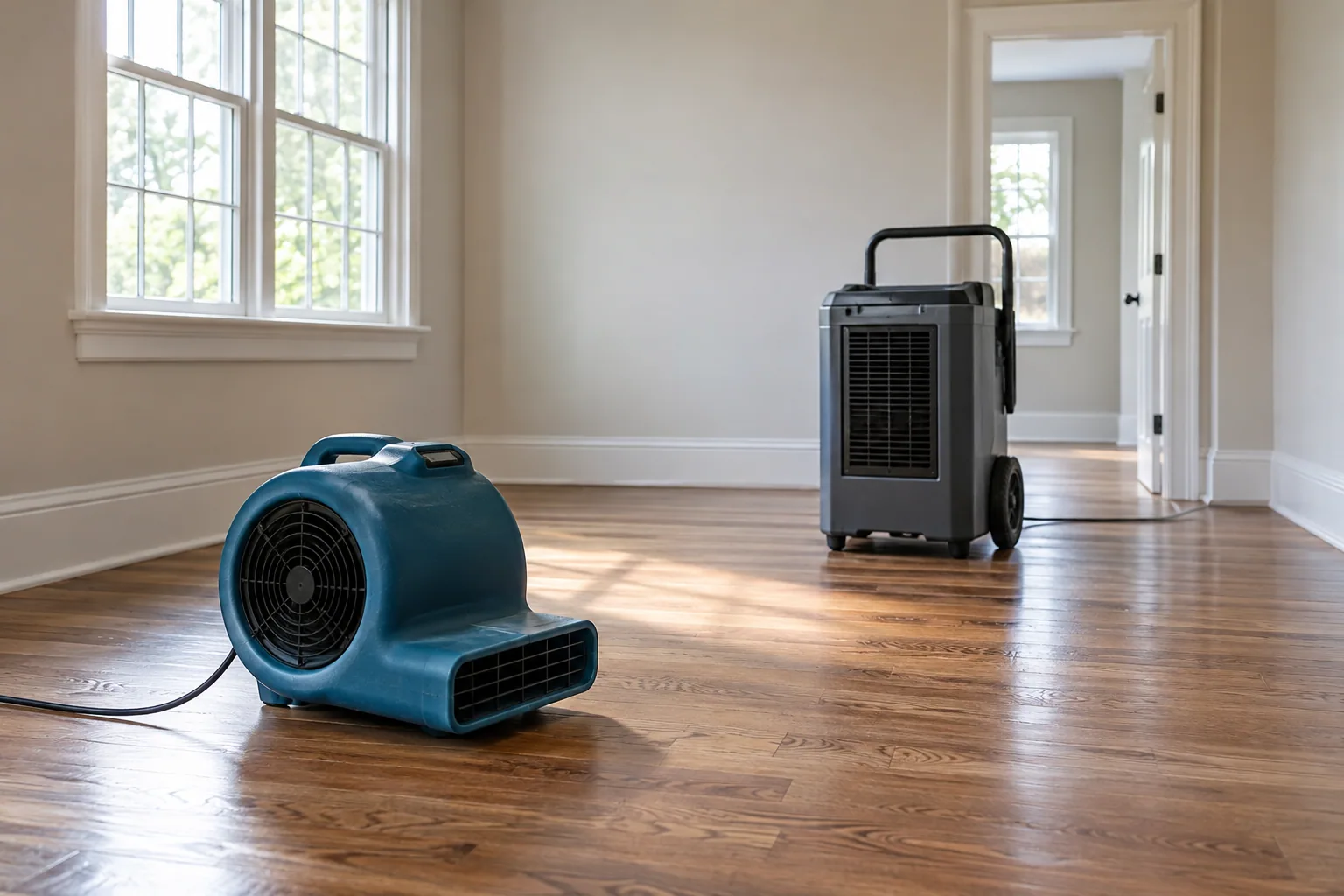
The cleanup plan should identify whether water contamination affects the material decision. Drying a product does not prove it is suitable to keep after contact with contaminated water. Ask which parts of the cavity require cleaning, which materials will be removed and how debris will leave the building. These choices should be made before fans spread air through an opened wall.
Why a blanket promise to dry everything is weak
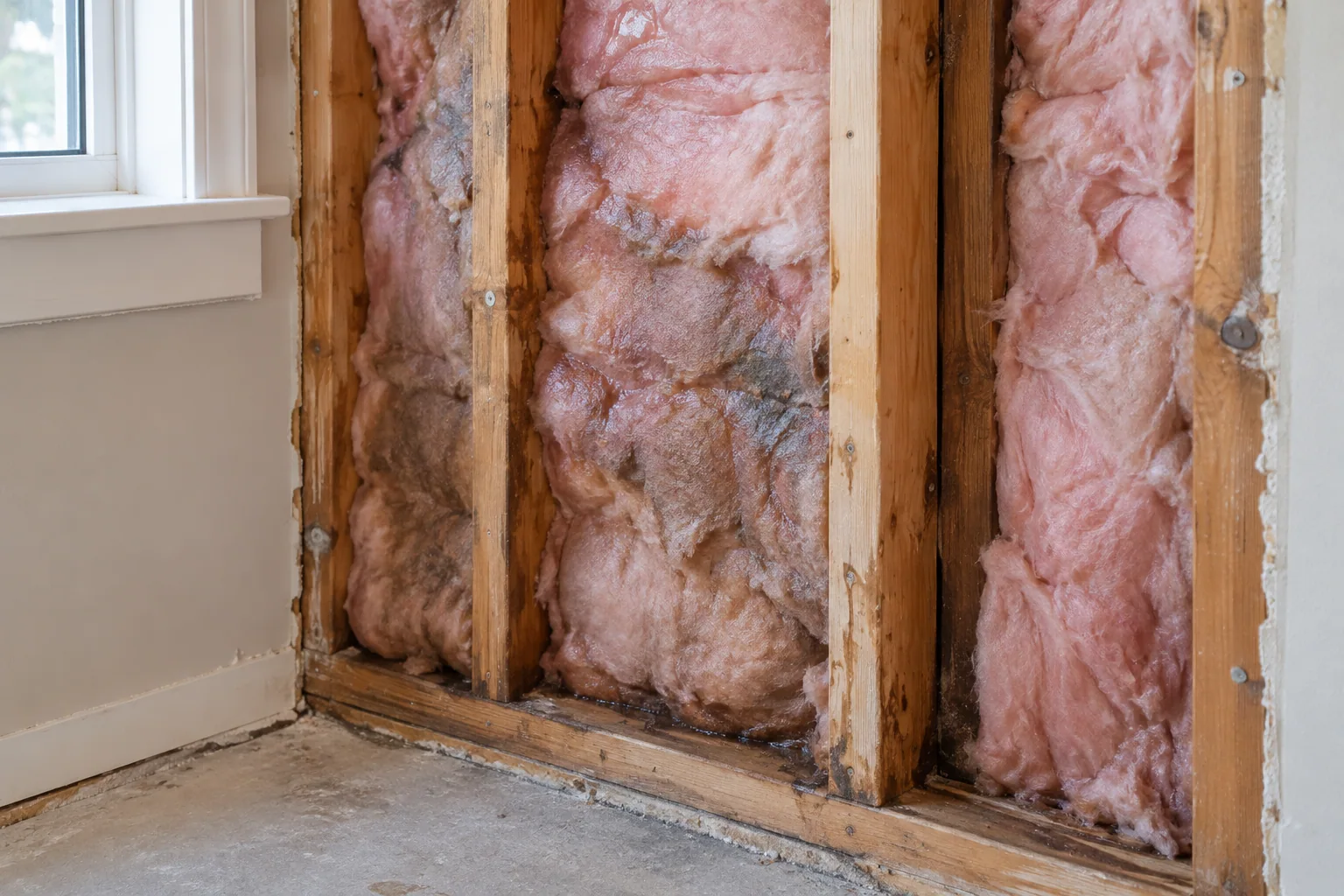
EPA's clean-water response guidance lists wet fiberglass and cellulose insulation for removal and replacement. That is a useful starting point when someone proposes leaving those materials in place after a leak. Ask the contractor to explain any different recommendation with the actual product, its condition and the relevant manufacturer guidance. A surface that feels dry is not enough evidence.
For other insulation systems, ask for a product-specific assessment. Rigid or sprayed products may present questions about joints, adhered surfaces and moisture behind the insulation. The goal is not to choose a universal rule for all foam or all mineral fibers. It is to establish whether the whole assembly can be inspected, cleaned where necessary and returned to suitable condition.
| Material or condition | Inspection priority | Decision to document |
|---|---|---|
| Wet fiberglass or cellulose | Extent of exposure and cavity condition | Removal and replacement scope |
| Unknown loose-fill insulation | Safe identification before disturbance | Qualified assessment and handling plan |
| Rigid or sprayed insulation | Product, attachment and concealed surfaces | Manufacturer-informed retention or removal |
| Mixed insulation from renovations | Boundaries between products and layers | A separate decision for each affected area |
Inspect the cavity rather than stopping at the batt
The surrounding wall or roof assembly may include wood framing, sheathing, plaster, wiring and membranes. Ask the contractor to explain what the opening reveals and which surfaces remain concealed. Water may have traveled along the cavity before appearing at the baseboard or ceiling. Removing the visibly wet insulation should make the next inspection clearer, not end the investigation automatically.
Ask for photographs with room names and orientation. A close view of a stud without a location is difficult to interpret later. Record any staining, damaged fasteners, deteriorated wood or unexpected old materials that require another trade. Do not diagnose rot or structural adequacy from a photograph; ask who is qualified to evaluate a questionable framing member before replacement insulation hides it.
Make access and dust control part of the estimate
Opening an exterior wall in an occupied bedroom differs from accessing a clear unfinished attic. The proposal should state how contents will be protected, which rooms will be unavailable and how debris will be contained. In a condo or triple-decker, include shared access routes and any permissions needed for common assemblies. These logistics can influence both cost and the sequence of work.
Older finishes need their own hazard assessment before cutting. Ask the contractor to explain how possible lead coatings and asbestos-containing materials will be handled by qualified people. The fact that a leak needs prompt attention does not make uncontrolled demolition a good shortcut. Emergency stabilization and a planned opening can be coordinated without turning a small wet area into widespread dust.
Replacement is a building-detail decision
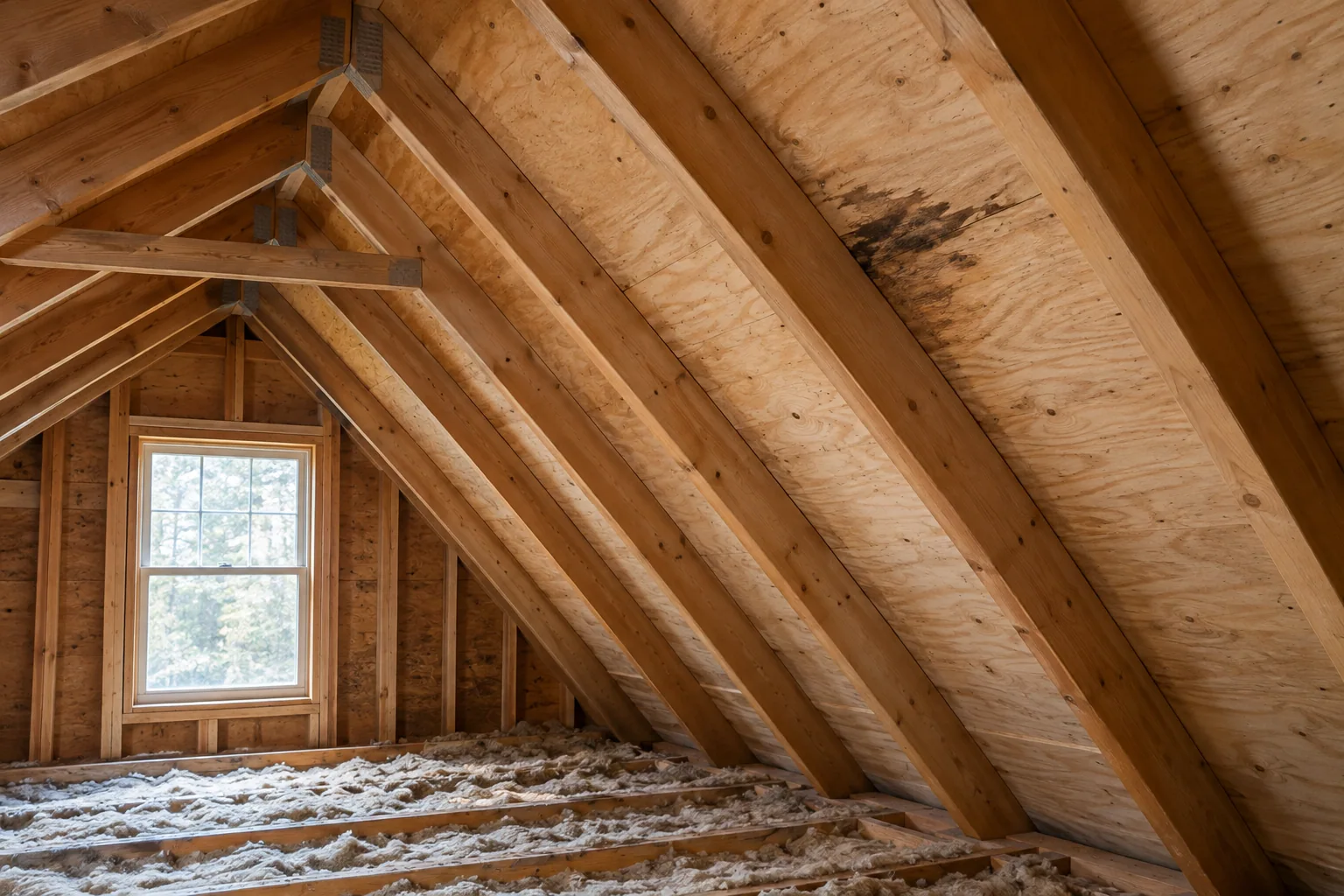
Before choosing new insulation, ask the rebuilding contractor how it fits the existing wall or roof. The replacement should account for the assembly's air and moisture control, not simply fill the empty space with a product that happens to be available. A roofer, insulation contractor and restoration team may need to coordinate where a roof leak has affected attic insulation and nearby ventilation paths.
Keep separate the work needed to restore the damaged area and optional energy upgrades. Both may be sensible, but the scope should identify which is which. An upgrade may require a broader design or permit review than replacing a localized section. Ask the qualified contractor and local building department what applies before agreeing to changes that extend beyond the original repair.
Hold a pre-closure inspection
The best time to check the work is while the cavity is still visible. Request confirmation of source repair, removal boundaries, relevant moisture findings and any trade inspections. Ask whether the contractor has addressed the full affected depth of the assembly. If an area remains inaccessible, get that limitation in writing and discuss how it affects the repair decision.
Photograph the open cavity after required work and before new finishes conceal it, provided access is safe. Keep product information for the replacement insulation and a note of its location. Future maintenance becomes easier when you know what sits behind a wall. The same record helps explain whether a later stain is near an earlier repair or belongs to an entirely different assembly.
Your field checklist
- Identify the insulation product and any mixed or unknown layers.
- Record the source, exposure and uncertainty about timing.
- Request a material-specific removal or retention explanation.
- Include the surrounding cavity, framing and backing in inspection.
- Plan safe access, containment and qualified handling of old materials.
- Verify source repair and cavity conditions before installing replacement insulation.
A few common questions
Can wet insulation remain if the wall surface looks dry?
A dry finish does not establish the condition inside the cavity. EPA calls for replacing wet fiberglass and cellulose in its water-damage guidance. Other products need inspection and their own manufacturer-informed decision.
Should every wall cavity in the room be opened?
The opening plan should follow the likely water path and inspection evidence. Ask how the contractor will define the affected boundary and how additional openings will be authorized if new findings appear.
What if I find pebble-like loose fill in an old attic?
Do not disturb it to investigate. Tell the contractor it may be vermiculite and request appropriate professional guidance. Appearance alone cannot determine whether a material contains asbestos.
Sources & further reading
- Water Damage: Cleanup and Mold PreventionU.S. Environmental Protection Agency
- Protect Your Family from Asbestos-Contaminated Vermiculite InsulationU.S. Environmental Protection Agency
- Lead Renovation, Repair and Painting ProgramU.S. Environmental Protection Agency
This guide supports informed conversations about your home. Conditions, materials and local requirements vary; an on-site assessment is necessary for decisions about a particular property.