The useful starting point
Keep clear of falling ice, wet electrical equipment and unstable ceilings. Arrange safe professional control of the roof problem, document the interior damage and have wet assemblies assessed. After the event, investigate heat loss, insulation and roof details before assuming that gutter cleaning or ceiling repainting will prevent recurrence.
Recognize the event without climbing onto the roof
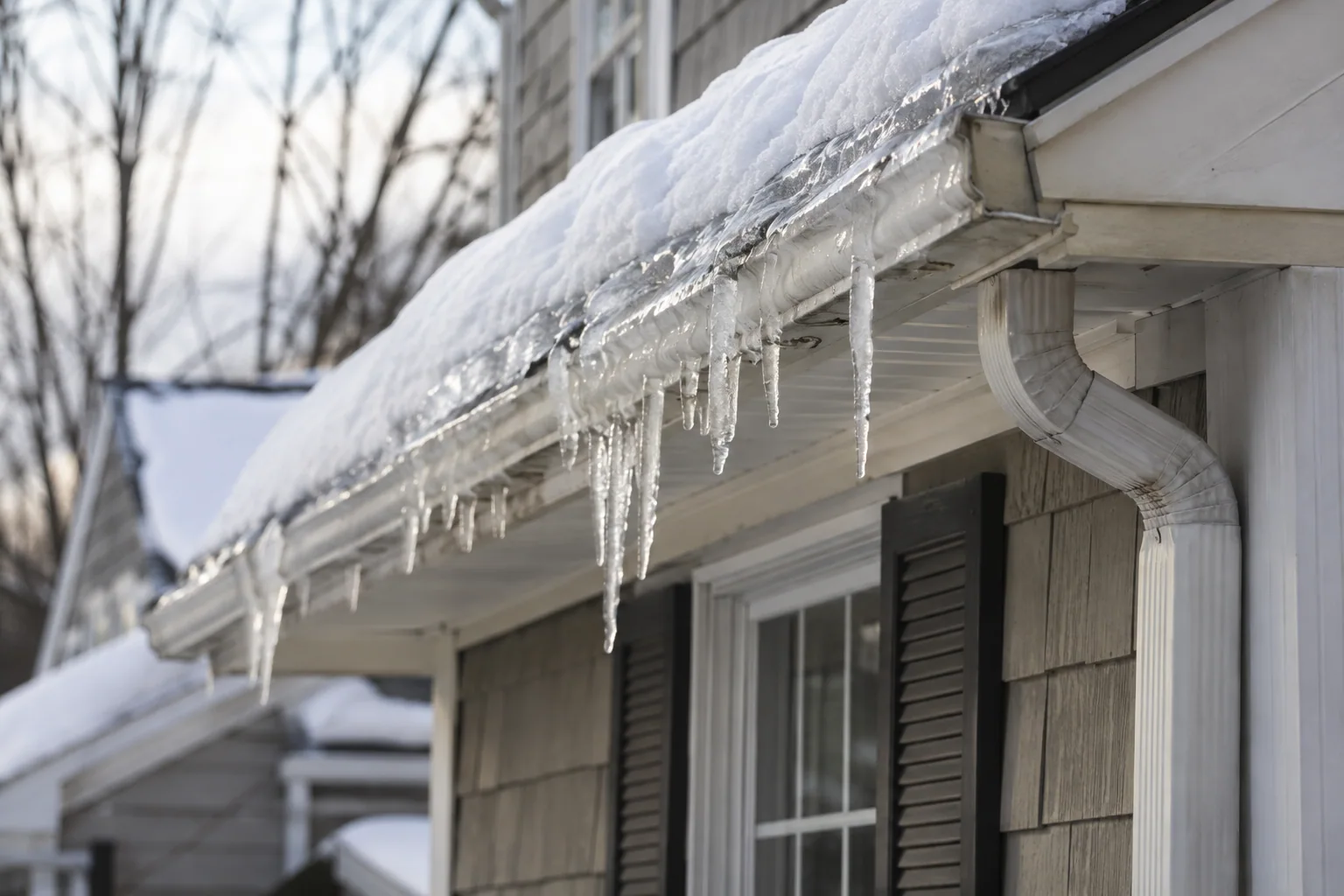
An ice dam forms when meltwater refreezes at a colder part of the roof and obstructs drainage. Water may then reach locations the roof covering was not designed to hold under standing water. A leak during snowmelt is a reason to investigate that mechanism, especially near eaves, but the timing does not rule out damaged flashing or another roof defect.
Observe from a safe ground-level position away from falling ice and overhead wires. Photograph the affected roof area if it is visible without entering the hazard zone. Do not climb an icy ladder or walk onto the roof to confirm the diagnosis. Massachusetts emergency guidance warns about roof access, accumulated snow and unsafe removal methods; the priority is to arrange qualified help while protecting people below.
Keep people away from the interior hazard
Move occupants away from a bulging or sagging ceiling and from water near fixtures, outlets or electrical equipment. Do not puncture a ceiling or handle a wet fixture to relieve the problem. Contact the appropriate emergency or building professional when conditions suggest immediate danger. If structural damage or a gas leak is suspected, follow local emergency instructions and leave the building safely.
Where the area is safe, protect belongings without putting yourself under damaged materials. Take photographs before moving items and record when the wetting began. Avoid plugging drying equipment into circuits in the affected area until electrical safety is established. The CDC advises against operating electrical devices or switches while standing in water. A small visible drip does not justify ignoring the ceiling or electrical conditions around it.
Arrange roof response and interior assessment together
Ask the roofing professional what immediate action is appropriate for the actual roof, ice and weather conditions. Massachusetts guidance cautions against chopping at ice, using flames or putting unapproved loads on the roof. The contractor should explain access and how workers will protect people, roof coverings, gutters and landscaping. A price for 'ice removal' should make clear what work and inspection it includes.
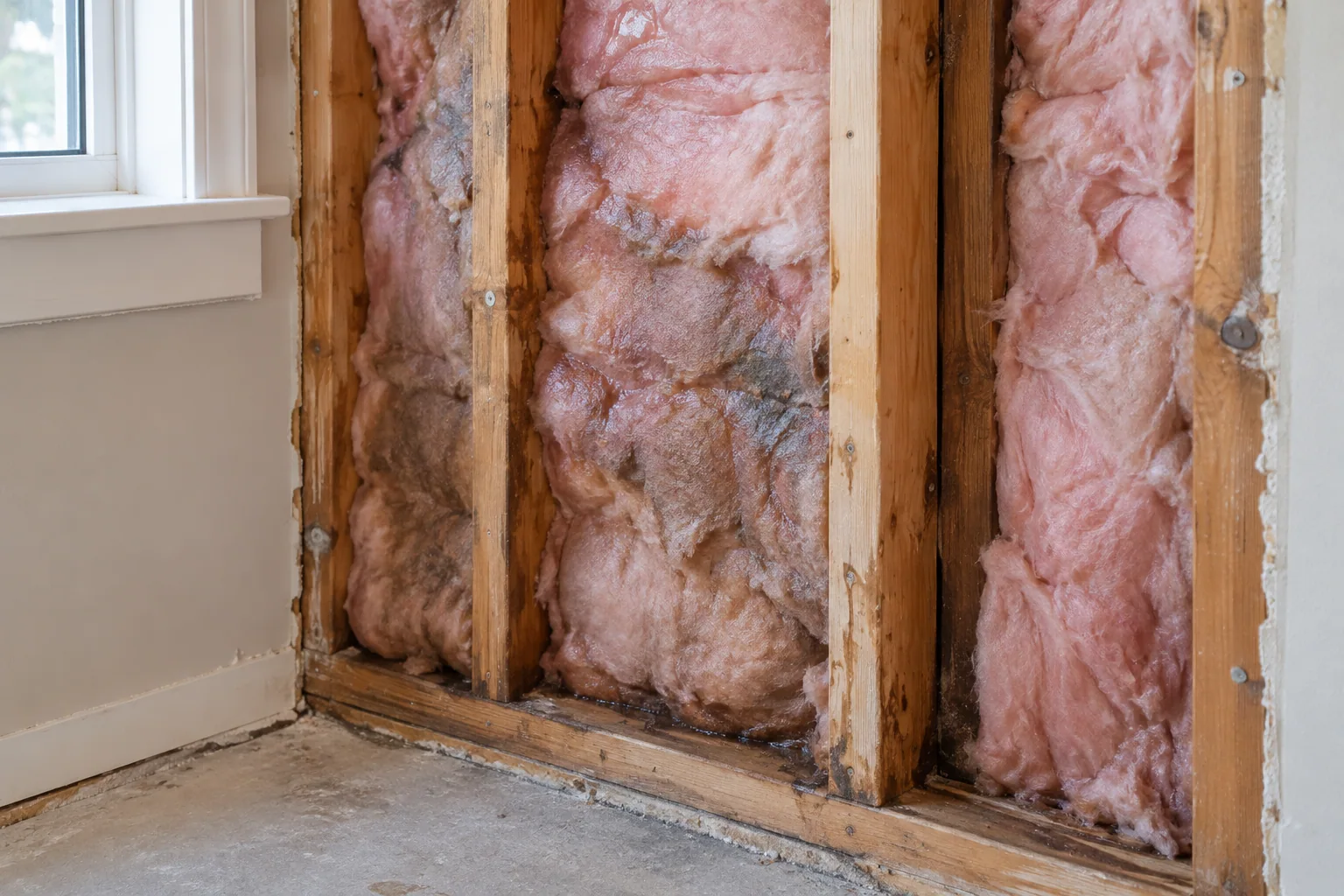
At the same time, ask a restoration professional to assess the affected ceiling, walls and insulation. Water may have traveled beyond the visible stain. Discuss whether access openings are needed, how older materials will be handled and what documentation will be kept. Source control and interior drying are related tasks, but they are not interchangeable; one crew's completion does not establish that the other's work is unnecessary.
| Stage | Purpose | Useful record |
|---|---|---|
| Immediate roof response | Control the active water problem safely | Location, method and roof observations |
| Interior assessment | Identify affected materials and access needs | Room map and moisture findings |
| Drying and material decisions | Prepare a suitable assembly for repair | Monitoring and removal records |
| Permanent prevention work | Address identified contributing conditions | Roof and enclosure specifications |
Ask what is wet before accepting a cosmetic repair
A stain may remain after the surface feels dry. Ask whether insulation, framing, plaster or other concealed materials were assessed and what evidence supports retaining them. The drying plan should state which areas are being monitored and how progress will be evaluated. There is no universal number of days that makes every assembly ready for painting.
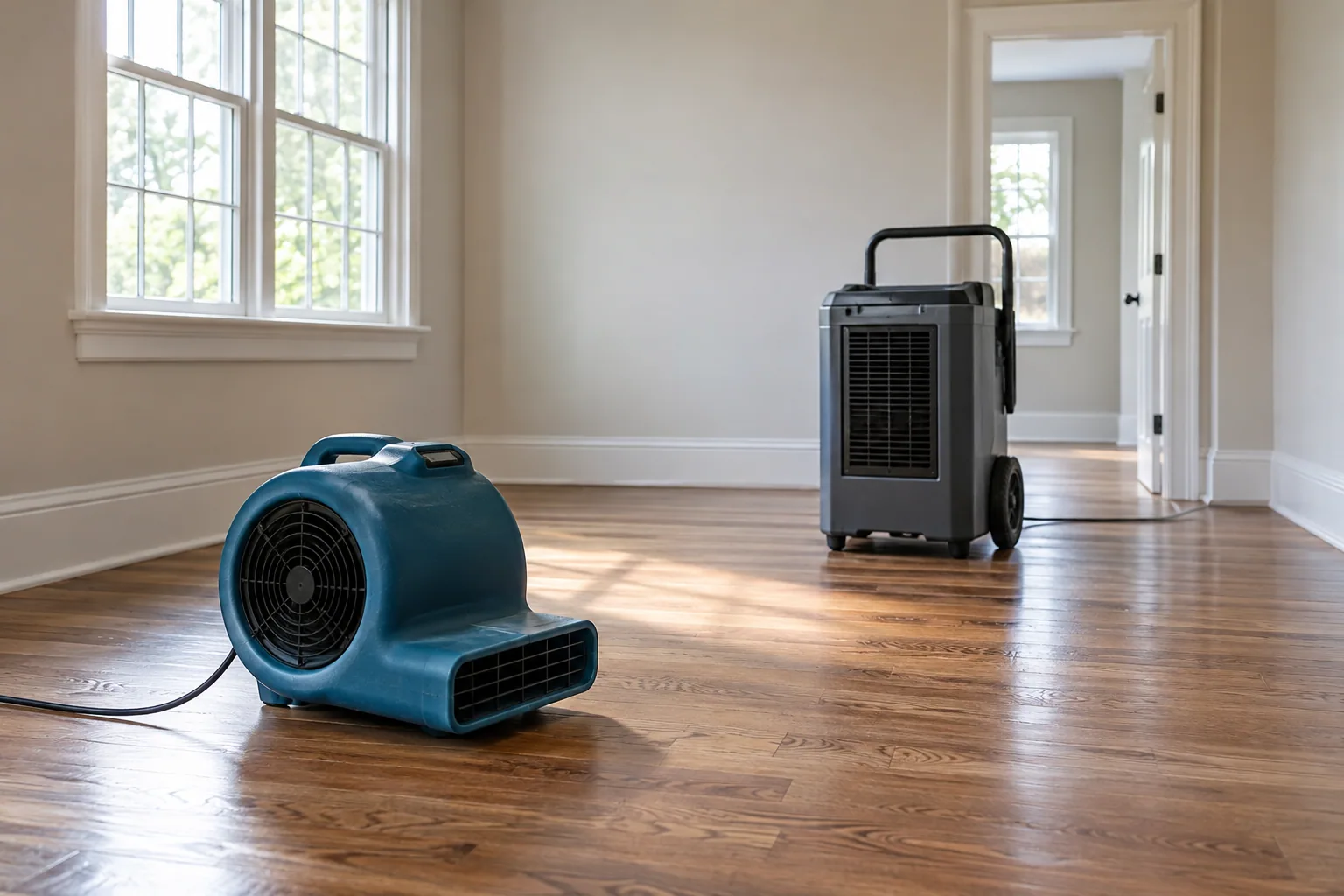
An enclosed pocket may remain wet while a dehumidifier runs elsewhere in the room. The water path, materials and available access all shape the drying work. If the contractor needs an opening, document the original detail and agree on precautions for older paint or suspect materials. Keep the source-repair findings beside the drying record so the person rebuilding the ceiling can see what happened and what still needs attention.
Use the repair window to examine why it happened
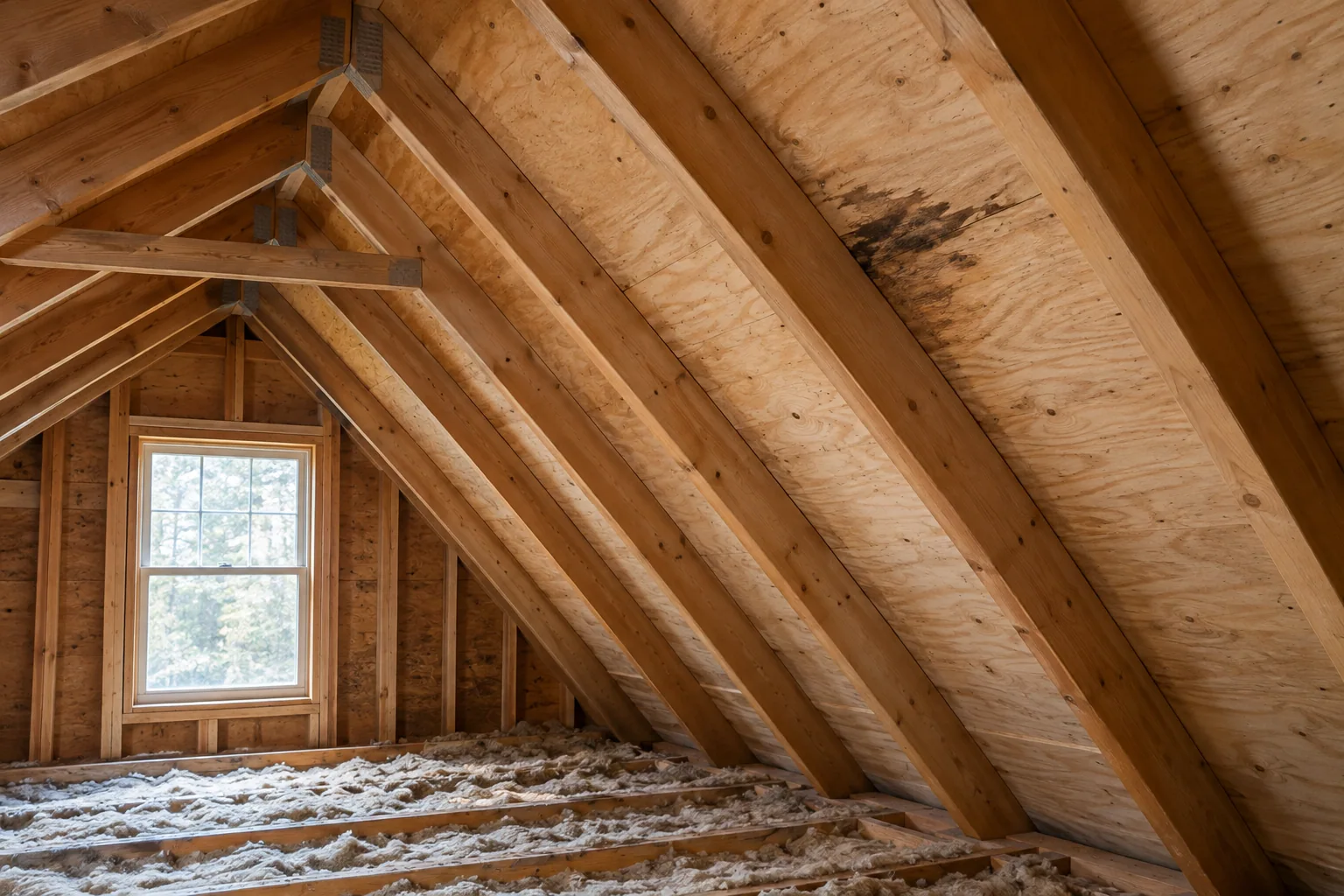
The Massachusetts ice-dam guidance identifies attic air leakage, insulation and heat sources as matters to assess. The aim is to understand why roof temperatures differ and where meltwater becomes trapped. In a finished attic or Cape, short knee walls and enclosed slopes can complicate the investigation. Ask the assessor to explain the actual enclosure rather than quoting a standard package of insulation.
Roof details matter too. Ask about the condition and extent of relevant underlayment, flashing and eave construction when the roof is accessible for planned work. Do not accept a promise that one product makes future leakage impossible. Keep gutters and drains maintained, but distinguish routine drainage maintenance from a repair addressing the documented heat and roof conditions. Any recommended ventilation change should fit the specific assembly.
Keep claim questions separate from repair findings
Notify your insurer promptly and ask about the policy's reporting and documentation requirements. Keep photographs, invoices, emergency authorizations and a record of damaged belongings. Coverage depends on the actual policy and circumstances; a contractor's general statement about ice dams does not decide a claim. Ask the insurer to explain any coverage decision using the applicable provisions.
Before final decorating, obtain a clear account of what was repaired, what materials were removed or retained and what remains under observation. Set a follow-up appropriate to winter conditions rather than relying only on a dry-weather visit. If the house has a history of repeated events, include that history in future roof or energy assessments. A chronological repair file helps the next professional distinguish an isolated failure from a recurring pattern.
Your field checklist
- Photograph roof conditions only from a safe location.
- Keep clear of wet fixtures, bulging ceilings and falling ice.
- Ask the roofer to explain safe access and the scope of emergency work.
- Have concealed materials assessed before finish repair.
- Keep drying records and source-repair findings together.
- Investigate the roof and attic conditions behind repeated events.
A few common questions
Will cleaning the gutters prevent every ice dam?
No. Clear drainage is useful maintenance, but ice dams also involve roof temperatures, snowmelt and refreezing. A recurring problem needs assessment of the roof and attic, including air leakage and insulation.
Can I use a torch or heat gun to remove ice?
No. Massachusetts roof-safety guidance warns against open flames and electric heating devices for snow and ice removal. Arrange a safe method with an appropriately qualified professional.
When can the stained ceiling be repainted?
After source control, assessment of affected materials and confirmation that the assembly is suitable for finish repair. Ask for the basis of that decision rather than relying on a fixed waiting period or the appearance of the paint.
Sources & further reading
- Ice Dam Prevention and RepairCommonwealth of Massachusetts
- Roof Collapse and Snow Removal Safety InformationMassachusetts Emergency Management Agency
- Protect Yourself From Electrical HazardsCenters for Disease Control and Prevention
- Understanding Home InsuranceMassachusetts Division of Insurance
This guide supports informed conversations about your home. Conditions, materials and local requirements vary; an on-site assessment is necessary for decisions about a particular property.