The useful starting point
Use each season to observe a different part of the house: drainage in spring, humidity in summer, exterior and heating preparation in fall, and leaks or freezing concerns in winter. Keep dated photographs and arrange qualified work when needed. Ground-level observations are useful; risky roof or attic access is unnecessary.
Make the checklist fit the house
Start with the components your home actually has. A brownstone with a low-slope roof, a Cape with knee-wall spaces and a triple-decker with shared porches will not use identical lists. Mark who is responsible for each area, especially in a condominium or building with several households.
Keep a one-page record with the component, last observation, needed action and responsible person. Add photographs of ordinary conditions so later changes are easier to spot. The objective is continuity, not a long list completed once and forgotten.
Separate routine observation from specialist service. You can note a stain from the floor or photograph a gutter from the ground without climbing to repair it. Have qualified professionals handle access and tasks involving roofs, electrical systems, combustion equipment or uncertain structural conditions.
Spring: see where the water goes
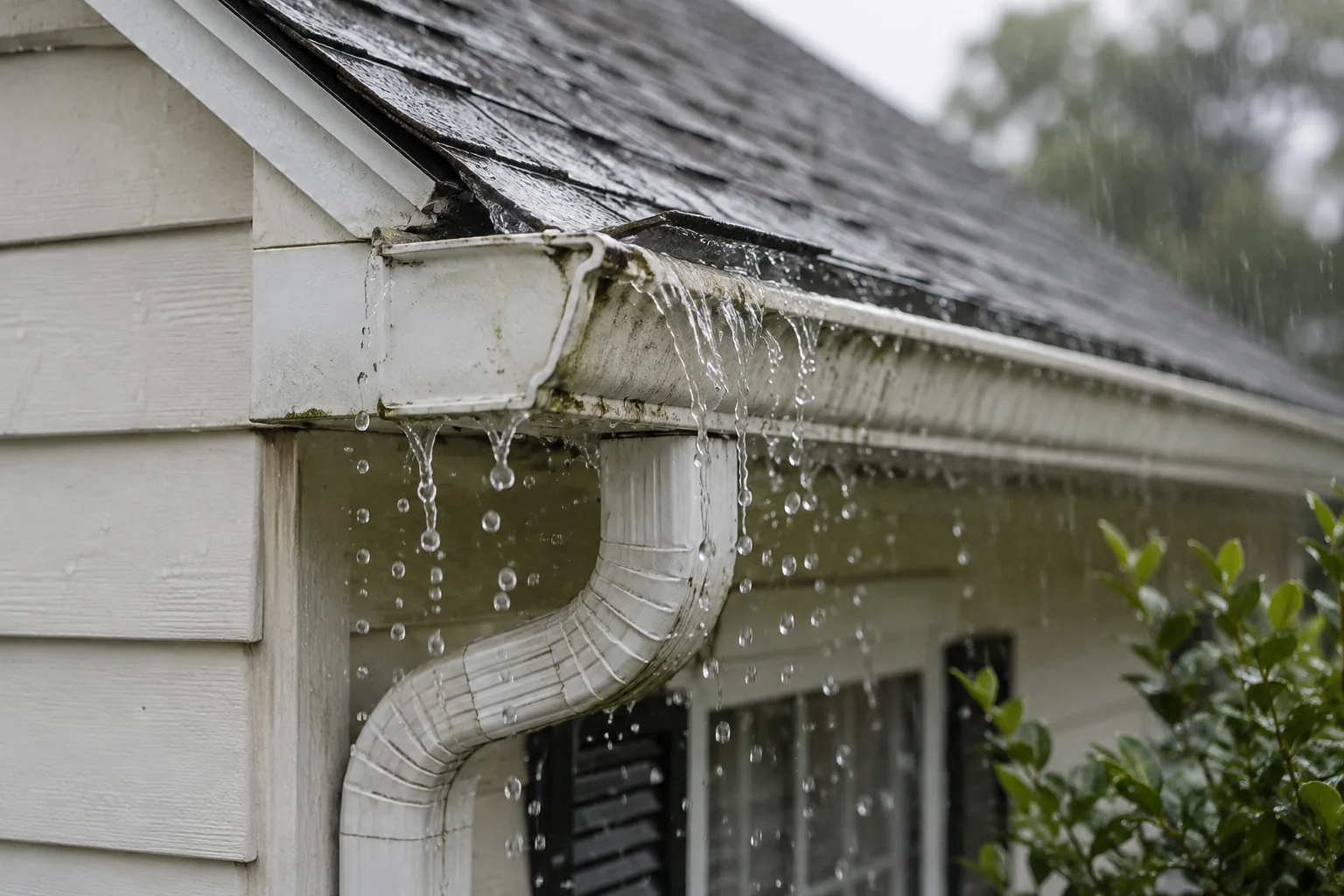
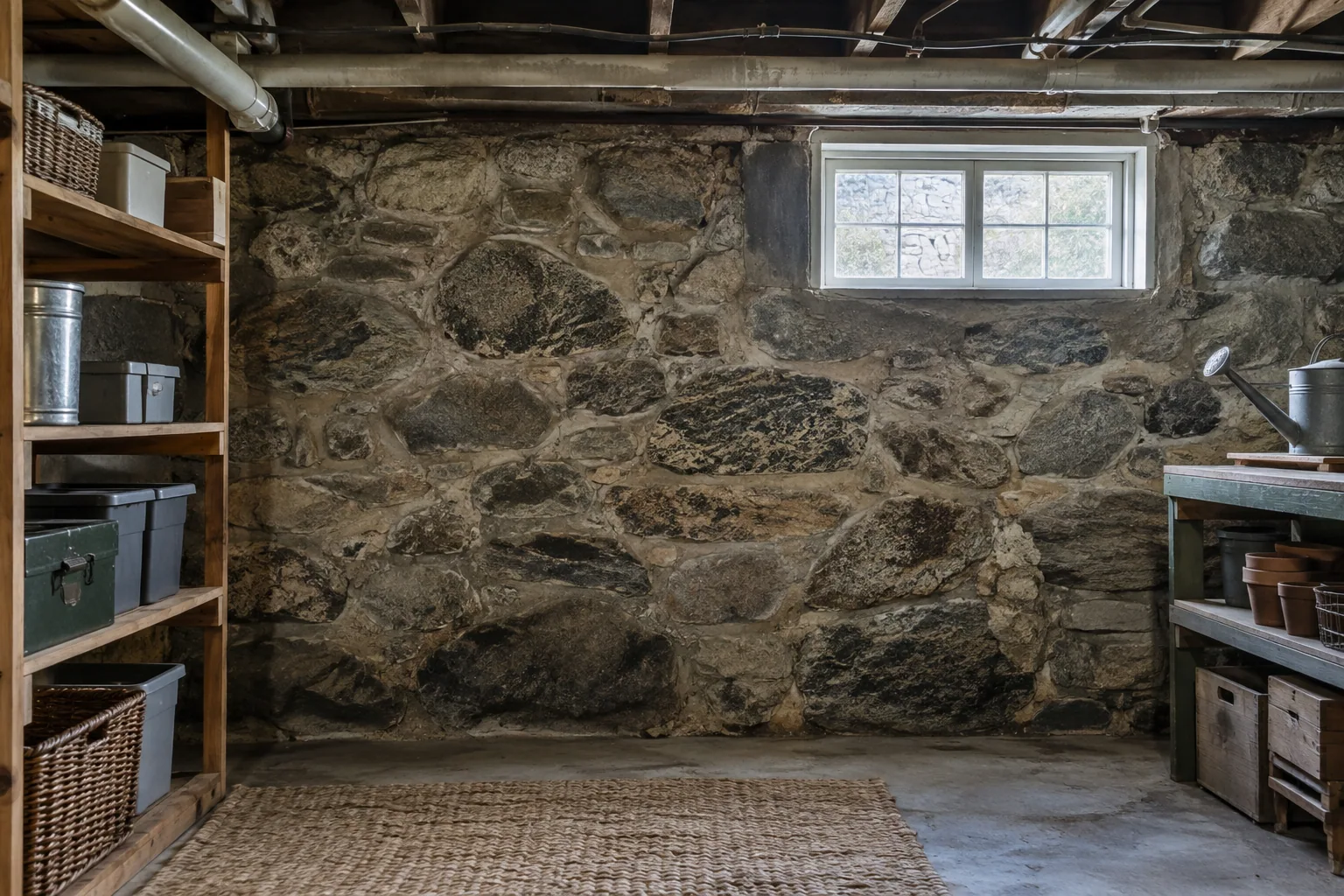
After conditions are safe, observe the home during or shortly after rain from sheltered, ground-level locations. Note gutter overflow, disconnected downspouts, pooling near the foundation and water in window wells. Compare those locations with new basement stains or damp areas.
Arrange repairs based on the route observed, and ask the contractor to explain how water will discharge after the work. Moving a problem from one wall to another does not resolve it. Shared lots and closely spaced houses make the drainage destination particularly important.
Review winter's interior marks before repainting them. A ceiling stain near the eaves may need follow-up on roof details, insulation or air leakage. Save the original photographs and obtain the relevant repair record so a cosmetic refresh does not erase the history.
- Photograph roof-edge and drainage concerns from the ground.
- Check accessible basement areas after significant rain.
- Record new stains before cosmetic repair.
- Confirm that winter temporary repairs have a permanent follow-up.
Summer: monitor humidity and overlooked rooms
Pay attention to basements, closets against exterior walls and rooms that stay closed. Note recurring odor, condensation or changes around stored contents. A consistent humidity-monitor location can help describe the pattern, particularly when a dehumidifier is part of the home's routine.
Check equipment instructions for filter care, drainage and maintenance, and arrange service where required. A running fan or dehumidifier is not proof that a leak has been fixed. If a wall remains affected while room conditions improve, ask for a material-specific assessment.
Review bathroom and dryer exhaust arrangements if they are unknown or have changed during renovation. Department of Energy guidance directs moisture-producing exhaust outdoors. Have a qualified person verify inaccessible routes rather than entering an attic to follow a duct yourself.
Fall: prepare before freezing weather
Book necessary roof, gutter and exterior maintenance while access conditions and scheduling allow. Massachusetts winter-readiness guidance recommends maintaining gutters, roofs and water pipes. Ask contractors to document defects and the repair, particularly at areas that have leaked before.
Have heating equipment serviced according to the appropriate professional and manufacturer guidance. Review the location of water shutoffs, emergency contacts and any existing cold-weather plan. If the house will be vacant, obtain a plan suited to its plumbing, heating system and insurance requirements.
Check smoke and carbon monoxide alarms using Massachusetts fire-safety guidance and the manufacturer's instructions. Record replacement needs and make sure every household member understands what to do if an alarm sounds. A calendar reminder should support functioning equipment, not substitute for checking it.
| Before winter | Question to settle |
|---|---|
| Roof and drainage work | Which known defects have been repaired and documented? |
| Exposed or vulnerable plumbing | What protection does the plumber recommend for this arrangement? |
| Heating and alarms | Which service and checks are due? |
| Time away from home | Who checks the property and responds to an alert? |
| Shared building | Who authorizes emergency work outside an individual unit? |
Winter: observe safely and respond to changes
Watch for new ceiling stains, water around windows and changes in rooms near vulnerable plumbing. Record the timing relative to snow, thawing and cold weather. Report active leaks promptly; waiting for spring can leave affected materials unassessed.
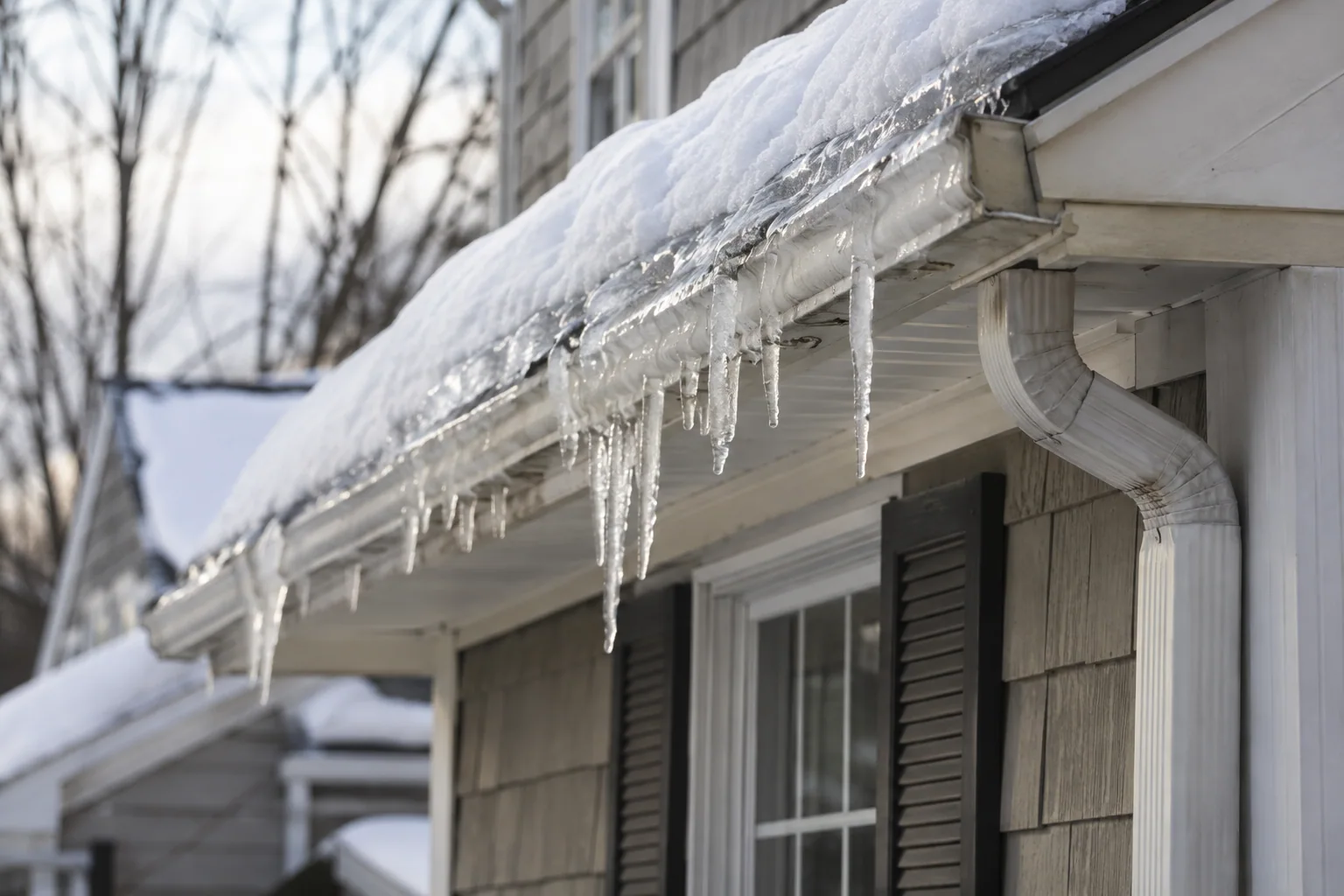
Avoid climbing onto snowy roofs or trying improvised heat methods to remove ice. Massachusetts ice-dam guidance emphasizes the underlying roof-temperature and air-leakage issues as part of prevention. A qualified assessment can distinguish immediate response from the work needed to reduce recurrence.
Know who can respond if heat fails or a pipe leaks while you are away. Make the contact list accessible outside the house and tell the designated person how to reach you. The plan should identify safe actions and professional contacts rather than expect a neighbor to repair equipment.
After a storm, compare rather than start over
Once conditions permit, repeat the same ground-level and accessible interior views used earlier. Look for changes at known weak points and note any new condition separately. This comparison can be more useful than dozens of unfamiliar close-ups taken in a rush.
Keep away from downed lines, unstable trees, hanging material and areas authorities have restricted. Ask the appropriate service to assess hazards. If a room has water near electrical components or a bulging ceiling, exclude it from the homeowner walkthrough.
Document necessary temporary protection and save receipts. Contact the insurer when a claim may be involved, and ask about inspection and permanent repair arrangements. Routine maintenance history can help explain the property's condition, but it does not guarantee coverage for a particular event.
Review the year before planning improvements
Review the year's repeated problems before renewing the same repair. A gutter that still overflows, a basement odor that returns and several invoices for one ceiling stain deserve a fresh look at the cause. The record should help you change an unsuccessful approach, not simply prove that someone visited.
Use that history to prioritize improvements. Repairing a water route or arranging a better investigation may be more valuable than replacing a finish again. Ask the relevant professional how the proposed work connects to the documented pattern.
Keep manuals, service reports, photographs and warranties together, and add a short note on changes to the house. A later addition, new exhaust fan or insulation project can alter what needs attention. Update the checklist so it continues to describe the building you own now.
Your field checklist
- Assign responsibility for each component and shared area.
- Observe spring drainage and document winter stains.
- Track summer humidity, odors and equipment maintenance.
- Arrange fall roof, plumbing, heating and alarm checks.
- Maintain a winter response plan for leaks and loss of heat.
- Review recurring issues before spending on cosmetic improvements.
A few common questions
Do I need to climb onto the roof for seasonal checks?
No. Useful homeowner observations can be made from safe ground-level locations and accessible interior rooms. Ask a qualified roofer to inspect areas that require ladders or roof access and provide labeled photographs.
Should every Massachusetts home follow the same calendar?
Use the seasons as prompts, then adapt the tasks to your roof, foundation, mechanical systems and occupancy. A condo association may manage some components, while an older single-family house may need separate plans for additions or inaccessible spaces.
Sources & further reading
- Is Your Home Winter-Weather Ready?Massachusetts Division of Insurance
- Ice Dam Prevention & RepairCommonwealth of Massachusetts
- Smoke and Carbon Monoxide AlarmsMassachusetts Department of Fire Services
- Guide to Home VentilationU.S. Department of Energy
- Consumer Alert: Making the Claims Process EasierMassachusetts Division of Insurance
This guide supports informed conversations about your home. Conditions, materials and local requirements vary; an on-site assessment is necessary for decisions about a particular property.