The useful starting point
Locate the first overflow point and trace the entire drainage route before choosing a fix. A blockage, damaged joint, poor alignment or downstream restriction may need different work. Check nearby trim, walls and basement areas for repeated wetting, and use safe professional access for elevated inspection.
Observe from the ground while conditions are safe
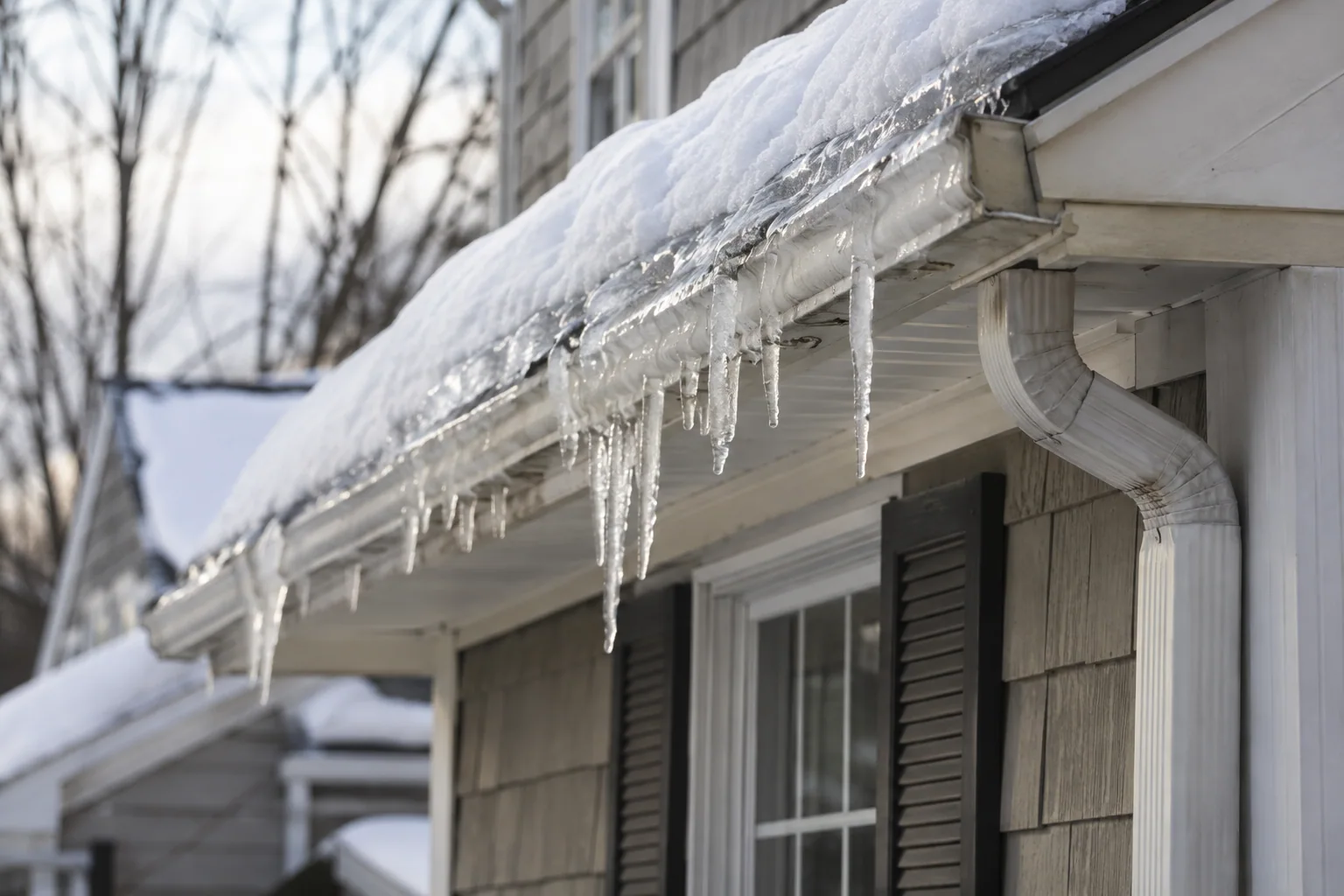
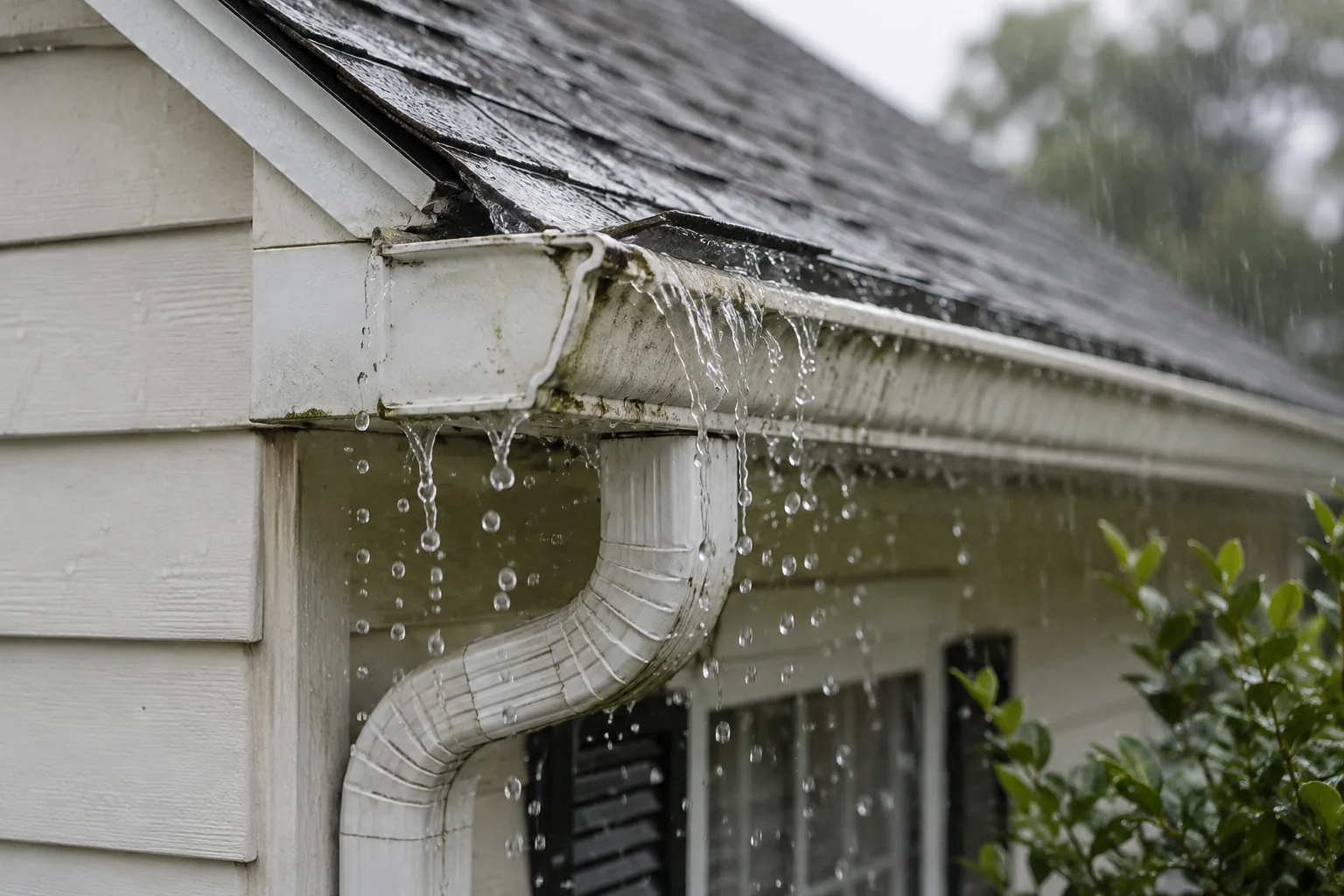
A brief video during ordinary rain can show where water first escapes, provided you can take it from a sheltered, safe position. Note whether the spill occurs along a long section, at a joint, over an outlet or behind the gutter. Avoid standing beneath loose sections, falling debris or ice. Do not climb a ladder during a storm to obtain a better view.
Add a photograph after the rain showing the roof above and the ground below. Include the downspout route and any extension or drain connection. This gives a contractor context that a close-up of the gutter alone cannot provide. In a multiunit building, send the observation to the responsible manager or association so repairs and access can be coordinated rather than improvised by one resident.
Follow the water beyond the visible spill
Look past the channel when investigating a blockage. Debris may obstruct the gutter or outlet, but water also has to pass through the downspout and reach its destination. A clean upper section says nothing about an inaccessible bend or buried connection. Have the contractor identify any uninspected portions of the route and explain what would be needed to check them.
Watch where discharge collects at ground level. Water directed toward a foundation, cellar stair or low window can create a second problem even after the gutter stops overflowing. The proposed repair should include a known discharge route suitable for the property. Do not connect to an unknown pipe or send water onto neighboring land simply because that is the shortest path away from the wall.
| Observed behavior | What to inspect | Possible scope distinction |
|---|---|---|
| Overflow along a section | Debris, alignment and capacity | Cleaning versus adjustment or redesign |
| Leak at a joint | Joint condition and adjacent support | Localized repair versus broader replacement |
| Water behind the gutter | Roof edge and gutter connection | Roofing detail as well as gutter work |
| Backup near the outlet | Outlet and downstream route | Channel cleaning versus drain investigation |
Check the materials that have been repeatedly wetted
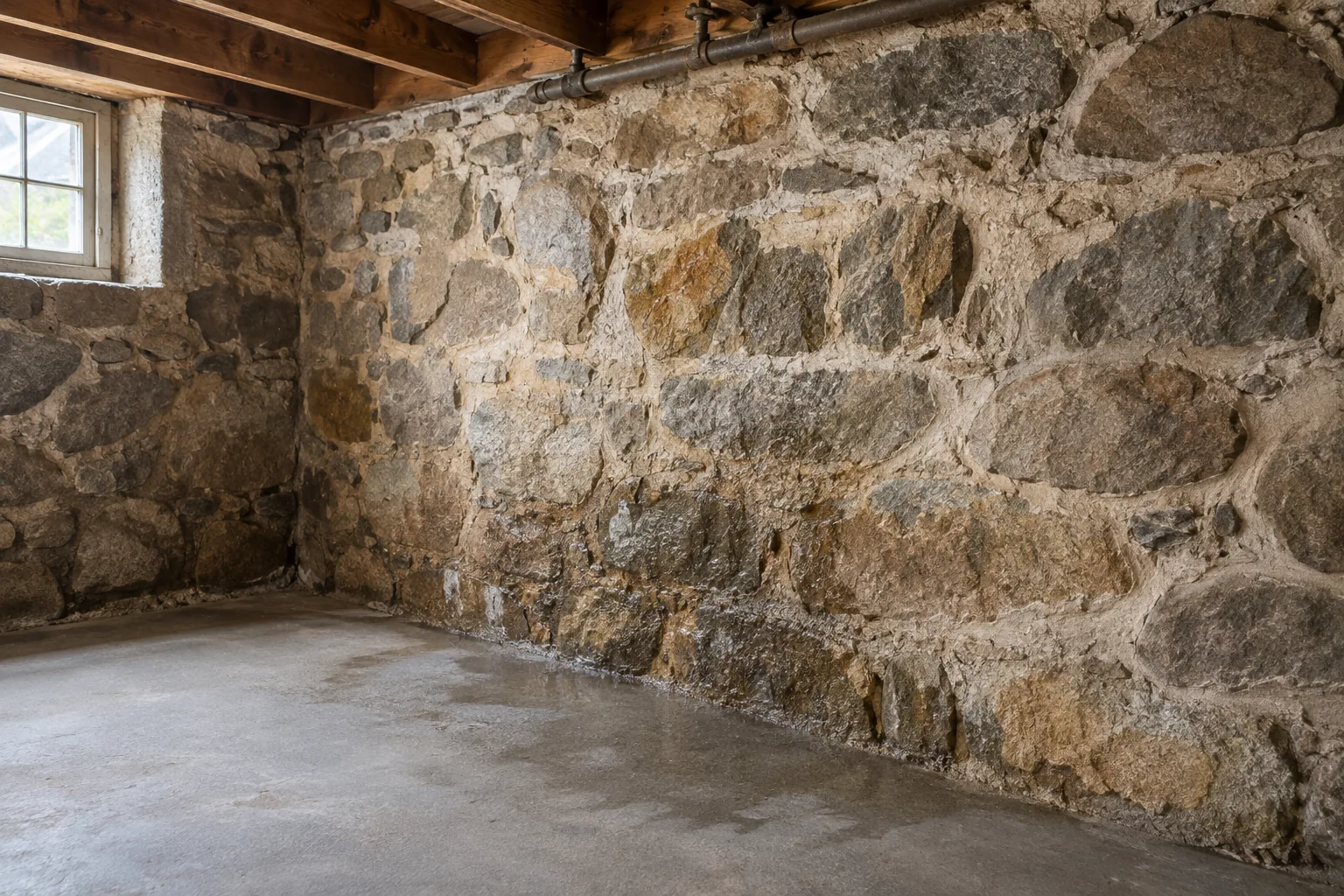
Look from the ground for peeling paint, staining or deterioration on fascia, soffits and nearby siding. Inside, note stains near the corresponding ceiling or window. At the basement, record dampness below the discharge area. These observations do not prove one continuous water path, but they help decide where a closer inspection is warranted.
Ask whether damaged wood or concealed materials need evaluation before the gutter is reattached. New fasteners in deteriorated support do not establish a sound repair. If material must be opened, request photographs and a description of the condition behind it. Older painted trim may require lead-safe practices. Keep that work in the scope instead of discovering it only when the installer cannot secure the replacement gutter.
Match the proposal to the reason for overflow
Cleaning may solve a blockage, but it will not correct every damaged joint, alignment problem or roof-edge connection. Replacement may be justified by condition, yet a new gutter can still discharge into the same restricted route. Ask the contractor to state the identified cause and explain how each priced item addresses it.
Where sizing or drainage design is involved, request an assessment of the roof area and the actual outlet arrangement. Avoid choosing solely by a larger-looking profile or a promise that one product handles every storm. A useful estimate identifies lengths, outlets, downspouts, connections, supports and exclusions. It should also state whether damaged trim and disposal are included and who will verify the completed flow path.
Use guards and maintenance as a planned combination
Gutter guards can change the maintenance task, but they do not remove the need to inspect the drainage system. Ask how the proposed guard handles the site's debris and how the channel and outlet remain accessible. Consider the surrounding trees, roof geometry and any existing maintenance difficulties rather than selecting a product only by its promotional description.
Establish a practical inspection schedule based on observed conditions, with additional checks after significant storms or heavy debris. Professional cleaning records should note defects, not simply say that debris was removed. Keep photographs of the clean system and its discharge points. If overflow returns soon afterward, that baseline helps distinguish new blockage from a defect the cleaning did not address.
Confirm both drainage and affected-area recovery
After the repair, ask how the contractor checked the route and whether any concealed sections remain uncertain. Observe during later comparable rain from a safe position. Confirm that water reaches its intended destination without collecting at the building. A dry gutter on installation day provides little information about the condition that caused the complaint.
Separately check the areas that were previously wet. Interior finishes may need assessment and drying even after runoff is corrected. Record whether a basement pattern changes, without assuming that one improvement proves all sources have been removed. Keep the drainage repair and any material-restoration records together. If symptoms persist, the next investigation should focus on the remaining evidence rather than repeating the same gutter replacement.
Your field checklist
- Photograph the first spill point from safe ground-level access.
- Trace outlets, downspouts and the final discharge route.
- Record nearby trim, interior and basement symptoms separately.
- Ask whether support materials need repair before reattachment.
- Compare proposals by identified cause and complete scope.
- Check performance during later rain and keep the maintenance record.
A few common questions
Can overflowing gutters cause a basement problem?
They can contribute by concentrating water near the building, but basement moisture may have other sources too. Compare the drainage route with the wetting pattern and have the relationship assessed before assuming that gutter work is the entire solution.
Do gutter guards mean no more cleaning?
No maintenance-free assumption is warranted. Ask how debris will be removed, how outlets remain accessible and what inspections the product requires. The appropriate routine depends on the site and system.
Should every overflow lead to a bigger gutter?
No. A blockage, restricted downspout or defective connection may be the relevant problem. If capacity is questioned, ask for an assessment of the roof and drainage arrangement before selecting a replacement.
Sources & further reading
- Preservation Brief 47: Maintaining Historic Building ExteriorsNational Park Service
- Preservation Brief 39: Controlling Unwanted Moisture in Historic BuildingsNational Park Service
- Renovation, Repair and Painting Program: ConsumersU.S. Environmental Protection Agency
This guide supports informed conversations about your home. Conditions, materials and local requirements vary; an on-site assessment is necessary for decisions about a particular property.