The useful starting point
Treat a recurring musty smell as a reason to investigate moisture and affected materials. Map when and where it appears, review stored contents and inspect the building's water-management details. A dehumidifier may help control air humidity, but it does not identify or repair a leak.
Start with a map of the smell
Stand in accessible areas and note where the odor is most noticeable without leaning close to suspect surfaces. Mark the laundry corner, exterior wall, storage shelves, stairwell and finished rooms on a simple sketch. Record whether the basement smelled different before rain, after laundry or when the heating system ran.
This record need not be elaborate. A few dated observations can distinguish a persistent room-wide problem from something concentrated around one cabinet or box. Do not delay dealing with active water while collecting a perfect log; the record supports repairs rather than replacing them.
If the odor resembles gas, fuel or a strong chemical release, leave the area and contact the appropriate emergency or utility service from a safe place. A familiar description such as musty should never be used to dismiss a new and unfamiliar odor.
Separate stored contents from the building
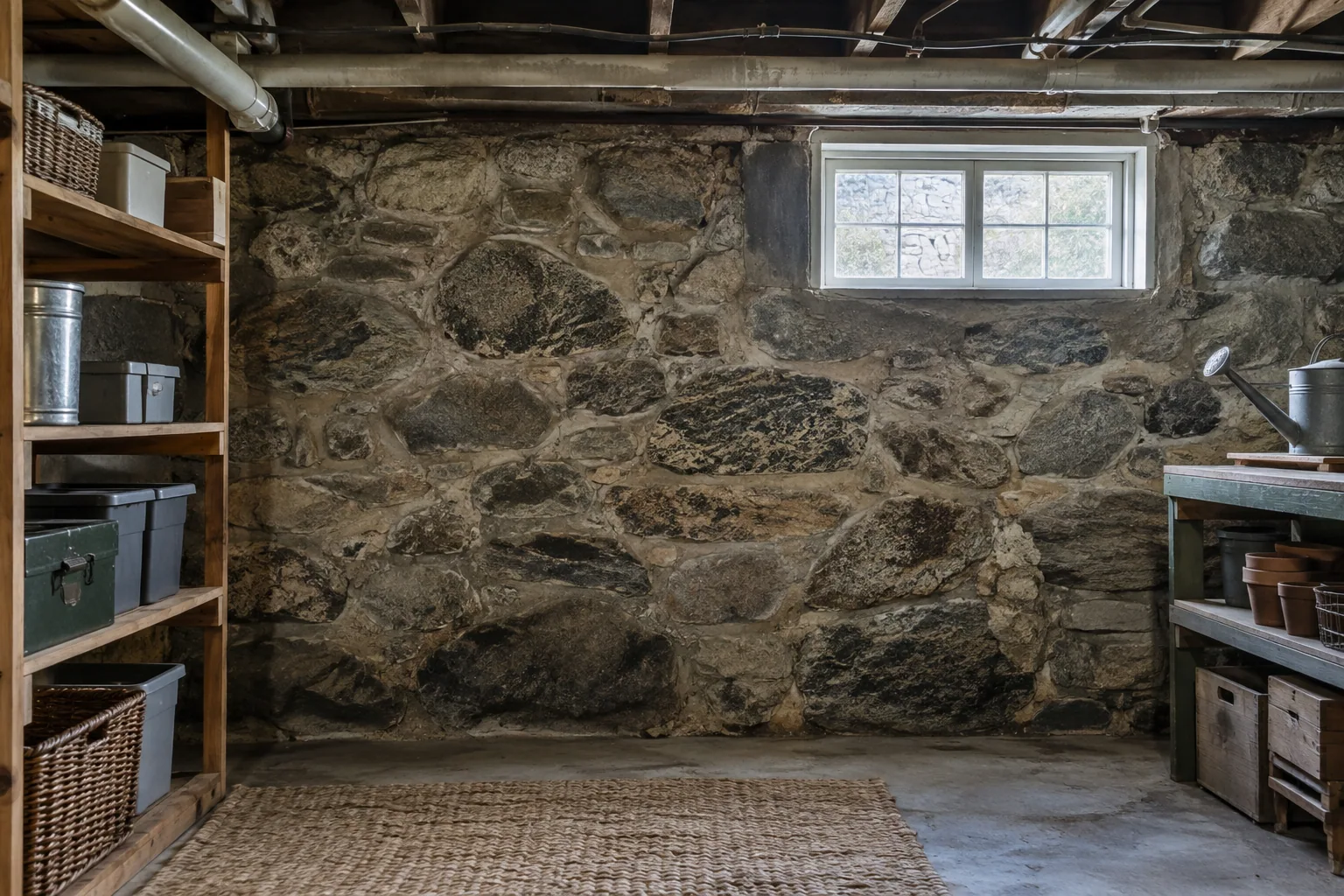
Cardboard, rugs, upholstered furniture and belongings placed against exterior walls deserve attention during an inspection. Ask whether the odor follows a particular item or remains in the room after professionals safely remove affected contents. Keep potentially contaminated belongings out of living spaces while a cleaning or disposal plan is arranged.
Make a storage inventory before moving everything at once. A photograph of each shelf helps identify where items were sitting relative to the wall and floor. Note any possessions that were already damp when brought downstairs, along with earlier leaks that may have affected them.
A clean-looking room can still contain concealed affected material. Conversely, an unpleasant item does not prove that every wall needs demolition. Keeping the contents assessment separate from the building assessment makes it easier to evaluate the proposed work.
Follow the water routes outside
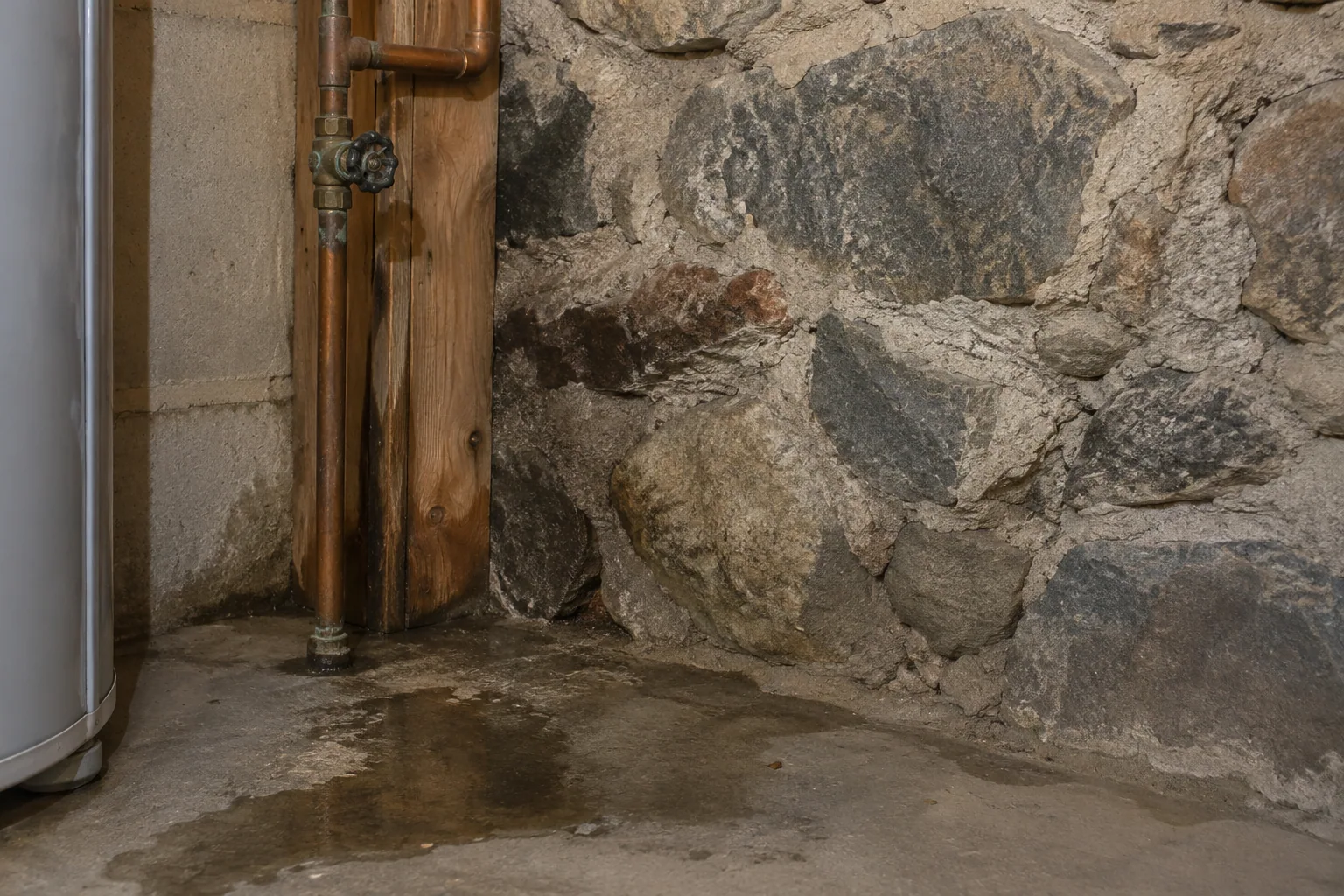
From safe ground-level locations, review the area around the same wall where the odor is strongest. Look for a disconnected downspout, overflowing gutter, low spot beside the foundation or a basement window well that collects debris. Photograph observations for the person assessing drainage; do not assume one defect explains the entire basement.
The exterior survey and interior survey should connect. If a damp wall appears after rain, ask the investigator how they will distinguish surface runoff from roof drainage, plumbing and other sources. Work that only covers the wall inside can leave the original entry route unanswered.
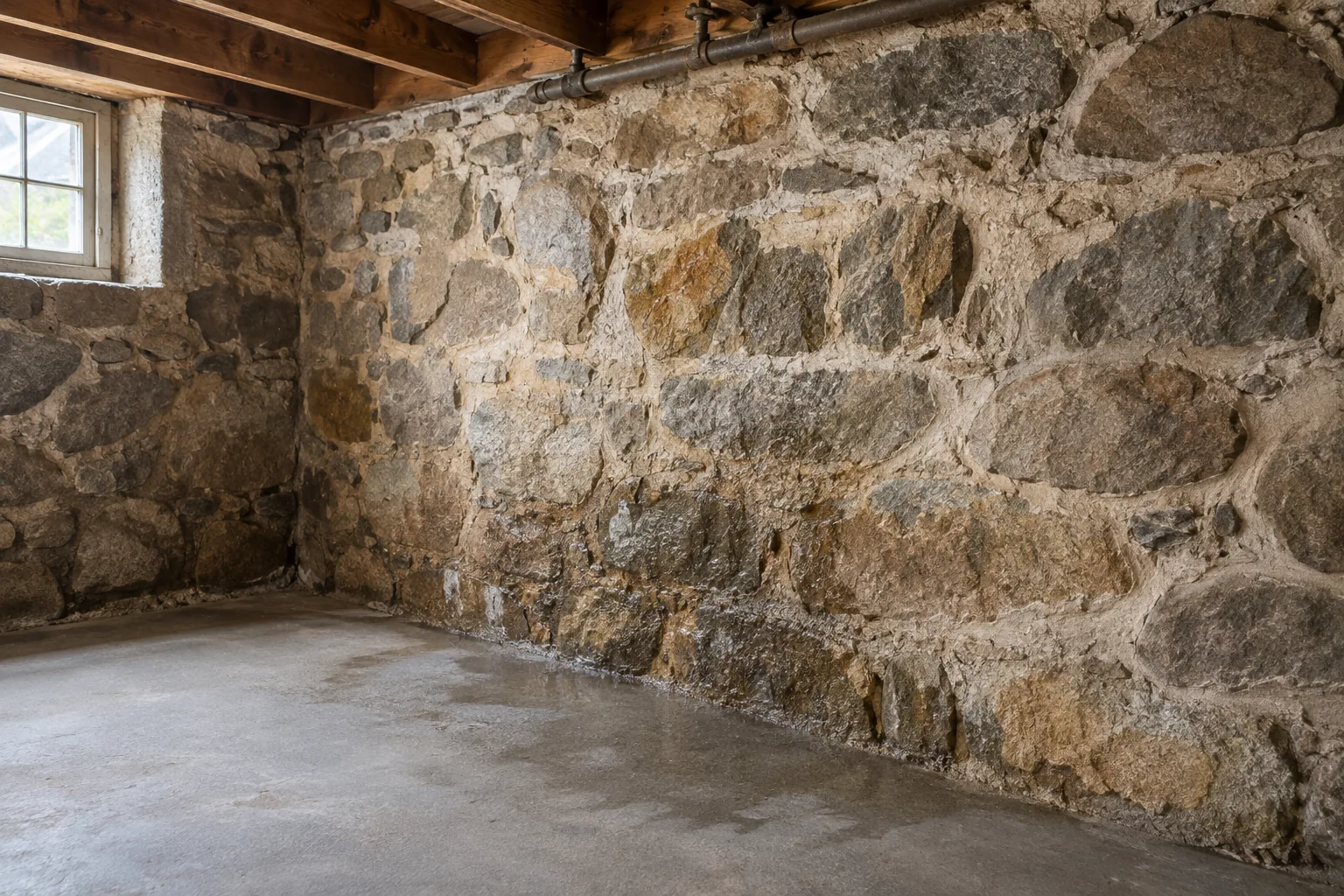
Fieldstone basements need particular care when repair materials are proposed. Ask a contractor familiar with older masonry to explain how the wall is intended to manage moisture and why a coating, mortar or drainage detail suits it. The product name alone is not a diagnosis.
Read humidity as a pattern
A simple humidity monitor can help describe the basement's conditions. Put it where its manufacturer recommends, record the location and compare readings over time. A number beside a dehumidifier outlet does not necessarily describe the far corner behind storage.
EPA recommends keeping indoor relative humidity below 60 percent, ideally between 30 and 50 percent where feasible. That guidance is a moisture-control target, not proof that a wall cavity is dry or that cleanup is complete. A basement may need both air-humidity control and repair of a separate water source.
Ask anyone recommending a dehumidifier to explain capacity, drainage, maintenance and how its performance will be checked. An appliance that fills its bucket and stops while nobody is home will not behave like one with a suitable maintained drain connection.
| Pattern | Question to investigate |
|---|---|
| Odor worsens after rain | Where does exterior water collect or enter? |
| Odor near stored boxes | Were contents damp before or after storage? |
| Odor follows laundry use | Are water connections and exhaust arrangements sound? |
| Room air improves but wall remains affected | Is moisture trapped in a material or assembly? |
Investigate finished walls without guessing
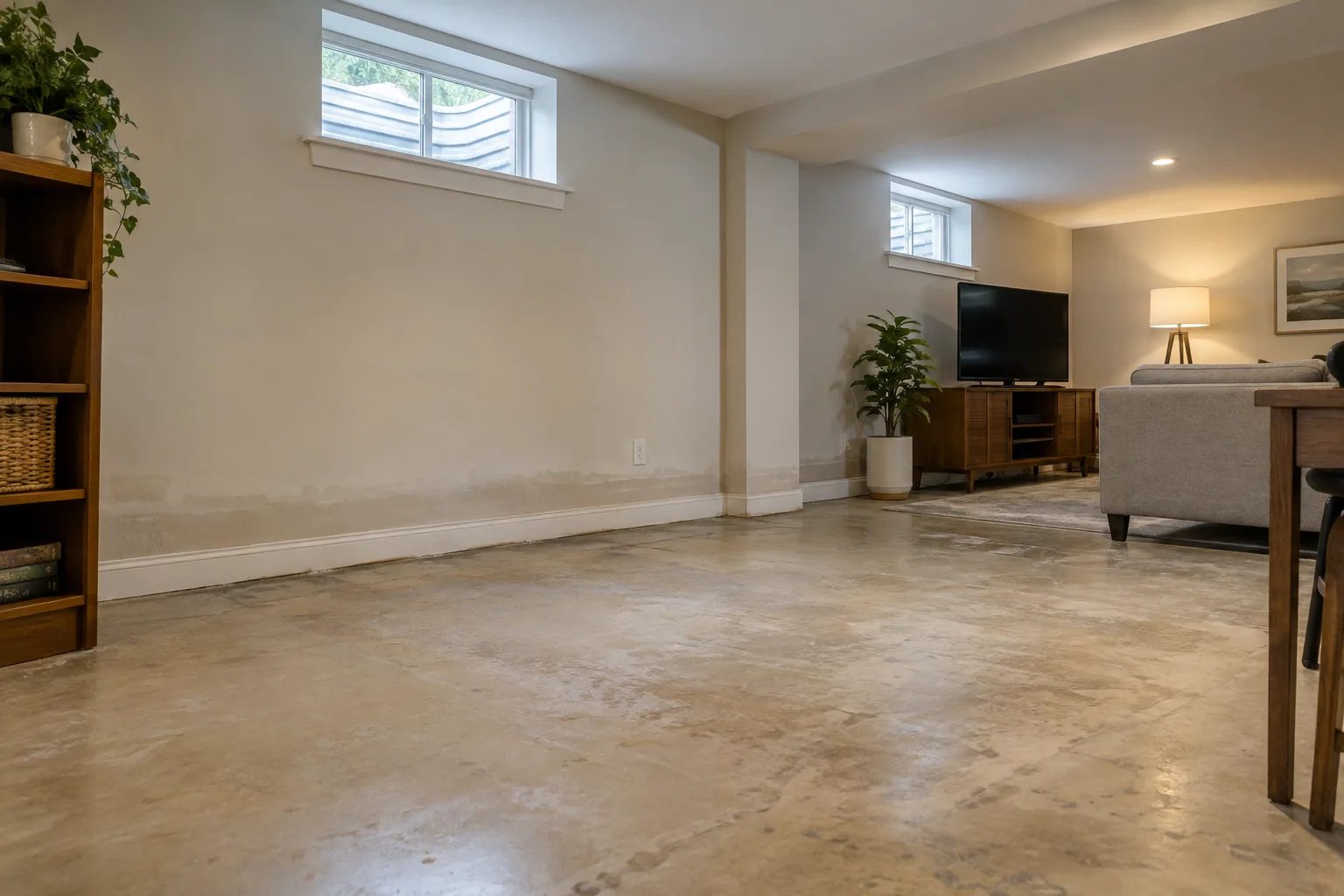
Paneling, carpet and built-in cabinets can make a basement harder to inspect. Ask for a staged plan: accessible observations first, relevant moisture measurements next, and carefully chosen openings only when needed. Have the investigator explain what each step could establish.
EPA warns that investigating concealed mold can release material when finishes are disturbed. If hidden growth is suspected, use an experienced professional rather than pulling off wallpaper or wallboard to take a look. Discuss dust control and older material hazards before opening the assembly.
Clarify which areas could not be assessed. A report that says the finished basement is clear should identify whether cabinets, wall cavities, floor layers and inaccessible corners were inspected. Broad reassurance based only on the center of the room is difficult to act on.
Choose work that matches the finding
Different findings lead to different jobs. A plumbing repair, drainage correction, removal of affected carpet and humidity-control plan are separate tasks even if one company coordinates them. Ask for the scope to show which problem each task is intended to solve.
Before accepting a promise to remove the smell, ask where it comes from. A fragrance or coating can change the room's immediate impression without settling that question. The written scope should identify the surfaces to be assessed and the evidence the company will use to judge its work.
In a shared basement, name the person who authorizes work and informs residents. Laundry access, storage ownership, pets and temporary equipment can complicate even a modest project. Written arrangements keep necessary access from turning into avoidable disruption.
Check the basement after the next relevant event
Keep records of repairs and compare conditions after the event that previously made the smell worse. Following a drainage repair, rain is more informative than a dry afternoon. Following a laundry repair, normal use matters. Ask the contractor when and how follow-up should occur.
Revisit accessible areas without disturbing cleaned materials. Note recurring odor, new discoloration, equipment interruptions or water. A return of the problem warrants a specific follow-up request that includes the original scope and photographs.
Review storage arrangements once the basement's condition is understood. Leave inspection access to walls, plumbing and equipment, and use the space according to the moisture conditions it can reliably maintain. Finishing a room or adding valuable contents should follow that decision.
Your field checklist
- Mark odor locations and note weather or appliance use.
- Inventory stored belongings before moving them.
- Photograph exterior drainage from safe ground level.
- Record humidity in a consistent location.
- Request a staged inspection of concealed areas.
- Compare conditions after repairs and the next relevant rain or use.
A few common questions
Will a dehumidifier remove a musty smell permanently?
It can help with air humidity, but permanence depends on the cause. A leaking pipe, affected contents or damp material inside a wall requires its own assessment. Ask what evidence shows that the proposed equipment addresses your basement's problem.
Can a dry concrete floor rule out moisture trouble?
No. It describes only the surface you can see at that moment. Walls, floor layers, stored items and concealed spaces may have a different history. Document what is accessible and ask which additional areas need inspection.
Sources & further reading
- A Brief Guide to Mold, Moisture and Your HomeU.S. Environmental Protection Agency
- MoldCenters for Disease Control and Prevention
- Guide to Home VentilationU.S. Department of Energy
This guide supports informed conversations about your home. Conditions, materials and local requirements vary; an on-site assessment is necessary for decisions about a particular property.